








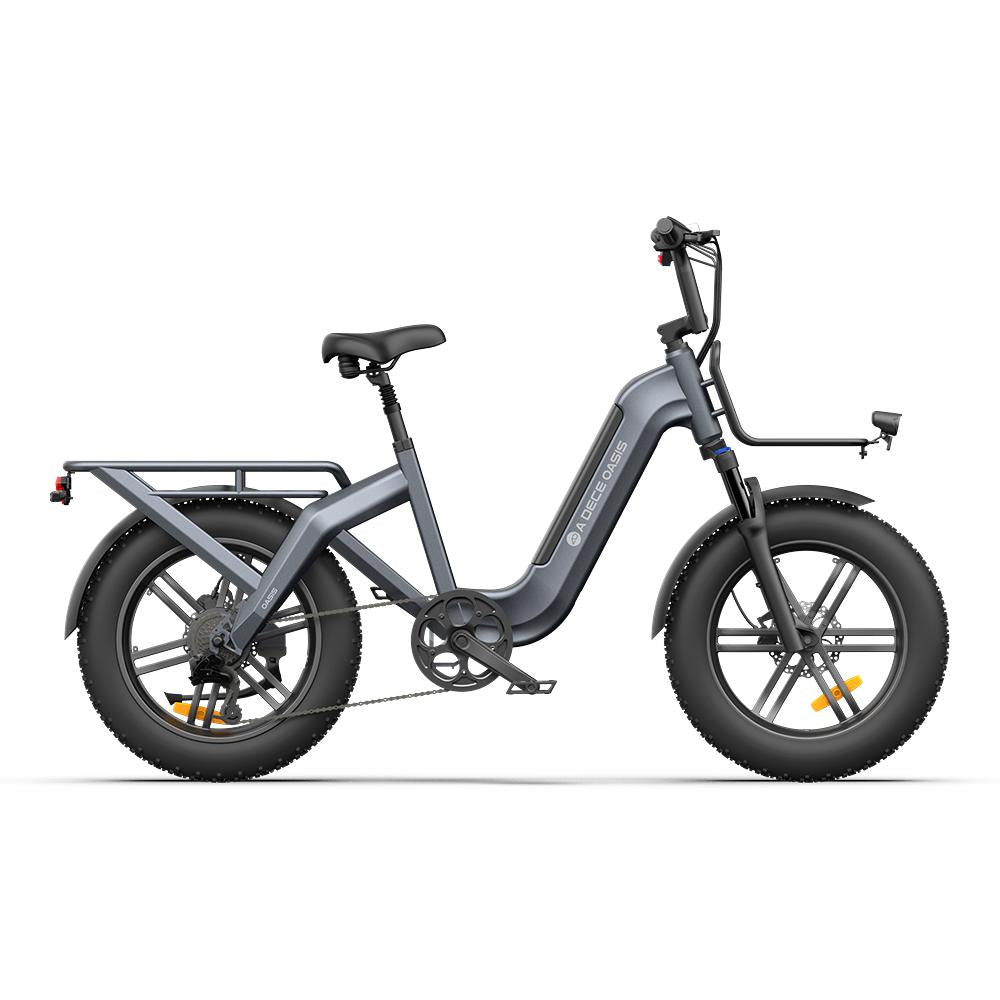


High ambient temperatures during the summer require specific physical and mechanical preparations to ensure rider safety. The following guidelines outline necessary protocols for hydration, sun protection, environmental awareness, and equipment maintenance during hot-weather cycling.

1. Hydration Management
Maintaining proper fluid balance is critical to prevent heat exhaustion. Thirst is often a delayed indicator of dehydration; therefore, scheduled fluid intake is required.
- Pre-Ride: Consume approximately 250-300ml (one glass) of water one hour before departure.
- During Ride: Ingest 16 to 20 ounces (approx. 470-590ml) of fluid per hour. Increase this volume during periods of high exertion or extreme heat.
- Electrolyte Replacement: For rides exceeding one hour, incorporate electrolyte tablets or sports drinks to replenish sodium and potassium lost through perspiration.

2. UV Protection and Apparel
Direct exposure to solar radiation accelerates fatigue and causes skin damage. Implement a systematic approach to UV shielding.
- Sunscreen Application: Apply a broad-spectrum SPF 50+ sunscreen to all exposed areas (including ears, collarbones, and the back of the neck). Reapplication is necessary every 90 minutes.
- Protective Clothing: Utilize lightweight, moisture-wicking fabrics. Light-colored jerseys and UV-protective arm sleeves help regulate body temperature.
- Optical Protection: Wear polarized sunglasses to reduce asphalt glare and protect the eyes from UV rays. Utilize a helmet with adequate ventilation channels.

3. Environmental and Road Hazards
Elevated temperatures alter road conditions. Riders must adjust their operation to mitigate these environmental risks.
- Surface Instability: High heat can cause asphalt to soften and bring oil slicks to the surface, particularly near intersections. Reduce cornering speed to maintain traction.
- Route Scheduling: Whenever possible, schedule rides during the early morning (dawn) or late evening (dusk) to avoid peak solar radiation and maximum daily temperatures.
- Thermal Rest Stops: If riding during midday is unavoidable, mandate periodic rest intervals in shaded areas to lower core body temperature.

4. Equipment Adjustments and Operational Safety
Bicycle mechanics are affected by heat, requiring pre-ride adjustments and standard safety compliance.
| Safety Parameter | Standard Action |
|---|---|
| Tire Pressure (PSI) | Heat expands air within the inner tubes. Slightly reduce tire PSI prior to riding to prevent blowouts on hot pavement. |
| Visibility | Equip the bicycle with front and rear daytime running lights. Wear high-visibility (fluorescent) clothing. |
| Emergency Kit | Always carry a multi-tool, a portable pump/CO2 inflator, and a puncture repair kit or spare tube. |
| Traffic Compliance | Adhere strictly to traffic signals, utilize designated bike lanes, and signal turns clearly. |
Conclusion
Systematic preparation regarding hydration, equipment modification, and route planning effectively mitigates the risks associated with high-temperature cycling. For electric bicycles engineered to handle diverse environmental conditions, technical specifications and models are available at the ADO E-Bike Official Website.


Leave a comment
Please note, comments need to be approved before they are published.