











Maximum Motor Power Requirements in the UK
UK law maintains a clear legal boundary separating electric bicycles from mopeds and motorbikes, ensuring riders enjoy the freedom of the road without excessive bureaucratic hurdles:
- 250W Continuous Rating: The motor must have a maximum continuous rated power output of no more than 250 Watts.
- Avoid Motor Vehicle Classification: Any e-bike exceeding this 250W threshold requires DVLA registration, vehicle tax, road tax, and third-party insurance.
- Universal Enforcement: Power limits apply strictly regardless of the riding mode, speed setting, or steepness of the terrain.
Adhering to these strict power limits ensures that a compliant ebike in UK remains legally accessible to anyone aged 14 and over without needing a driving licence.
Pedal Assist and Speed Limits
Pedal assistance features are tightly regulated under UK legislation for urban safety and rider consistency:
- 15.5 mph (25 km/h) Cut-off: The motor must automatically cease providing power assistance when the bike reaches 15.5 mph (25 km/h).
- Pedal-Activated Power: The electric motor can only assist while the rider is actively turning the pedals.
- Throttle Regulations: Full-speed twist throttles that propel the bicycle without pedaling are legally restricted on standard road-legal e-bikes.
For daily urban travel, these standardized limits keep riding speeds predictable and safe within mixed city traffic environments.
What Makes an E-Bike Road Legal (EAPC Compliance)
To qualify as an Electrically Assisted Pedal Cycle (EAPC) and ride freely on UK public roads, an e-bike must feature:
- Operational Pedals: Fully functioning pedals that can be used to propel the bicycle independently.
- Intuitive Motor Assistance: A motor system that activates smoothly only during active pedaling.
- Compliance Labeling: Clear manufacturer plates showing power output (250W max) and battery voltage compliance.
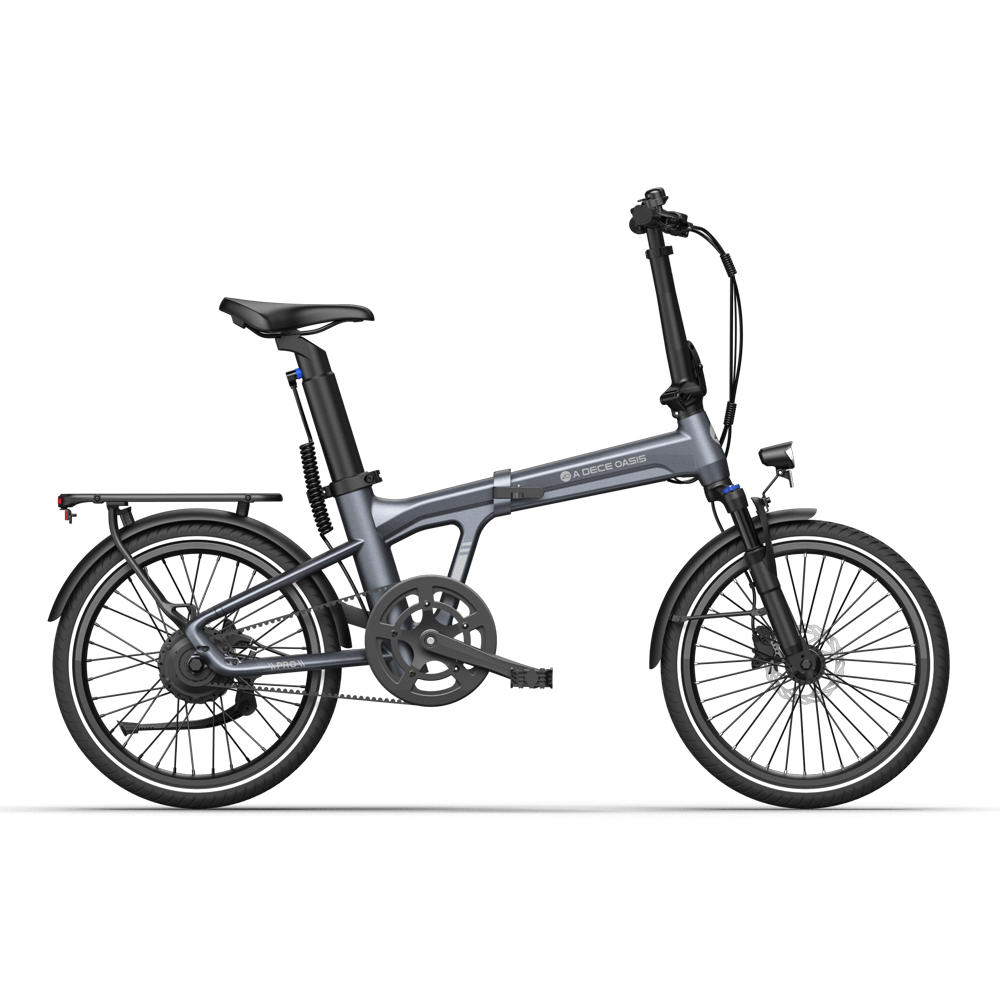
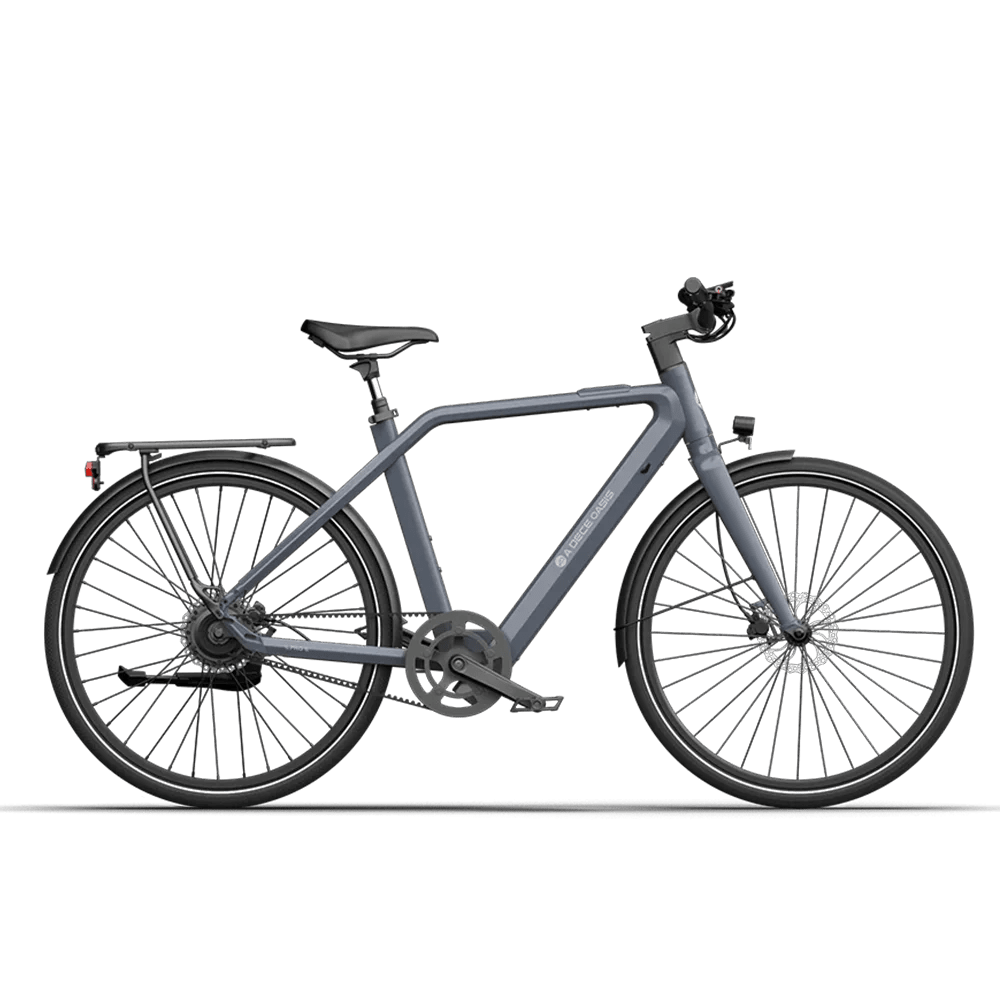
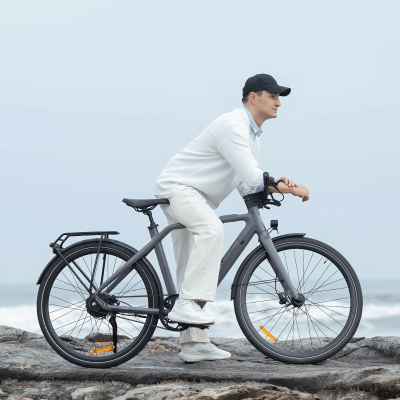
Urban-focused designs—such as lightweight commuter frames and integrated electronics—naturally align with these strict UK standards. Purpose-built models like the ADO Air 28 e-bike are expertly engineered with these daily UK riding laws in mind.
Where You Can Legally Ride
Road-legal EAPCs enjoy the exact same access rights on UK infrastructure as traditional non-electric bicycles:
- Roads & Cycle Lanes: Fully allowed on all standard public roads, bus lanes (where permitted for cycles), and dedicated cycle paths.
- Shared Paths: Permitted on shared-use pedestrian paths unless explicit local council bylaws state otherwise.
- Prohibited Areas: Strictly prohibited on motorways and designated pedestrian-only pavements.
This wide access to city infrastructure is a key reason why commuting with electric bike networks continues to grow rapidly across major UK metropolitan areas.
Why These Rules Matter for Daily Commuters
Understanding local UK regulations empowers riders to avoid costly fines, ride legally, and commute with total confidence:
- Zero Extra Costs: No driving licence, road tax, MOT, or compulsory insurance required for compliant EAPCs.
- Seamless Transit: Easily combine your ride with public transport networks and bike storage facilities.
- Long-Term Peace of Mind: Riding a certified road-legal model guarantees long-term reliability and safe everyday use.
Commuter Tip: Choosing a fully compliant urban model such as the ADO Air 28 ensures your daily UK commute remains hassle-free, legal, and smooth from day one.


Leave a comment
Please note, comments need to be approved before they are published.