












The EU Battery Regulation coming into force in 2026 is set to reshape how electric bicycle power cells are designed, repaired, and recycled across Europe. Even though the UK is no longer part of the EU, these sweeping sustainability rules remain critical for UK riders, importers, and retailers.
This breakdown covers the essential takeaways regarding battery repairability and what daily e-bike commuters need to know before making their next purchase.
What Is the EU Battery Regulation 2026?
The EU Battery Regulation introduces a comprehensive legal framework governing the entire lifecycle of light means of transport (LMT) batteries. Key strategic objectives include:
- Enhanced Safety & Longevity: Improving cell durability and thermal protection standards across all operating conditions.
- Easier Repair & Replacement: Eliminating single-use, non-repairable battery enclosures in favor of modular designs.
- Environmental Protection: Mandating higher collection targets and recycled material content for lithium-ion cells.
- Supply Chain Transparency: Introducing digital "Battery Passports" to detail material origin and health metrics.
These rules strictly apply to batteries integrated into e-bikes, e-scooters, and dedicated Electric Bike Accessory replacement packs sold in or imported into the European market.
Battery Repairability: What’s Changing?
One of the most consequential updates for e-bike owners is mandatory battery repairability. Under the 2026 requirements:
- Removable & Replaceable: Batteries must be easily removable and replaceable by independent technicians or end-users without causing permanent casing damage.
- Open Diagnostic Access: Independent workshops must be granted access to essential Battery Management System (BMS) diagnostic data and software.
- Clear Technical Documentation: Manufacturers are required to supply explicit safety instructions and schematics for battery extraction.
This legislative shift effectively bans fully glued, permanently sealed frame enclosures that previously forced riders to discard entire e-bikes due to minor cell degradation.
Why Do EU Rules Matter to UK E-Bike Riders?
Although the regulation originates in Brussels, UK riders will directly experience its positive effects due to global manufacturing standards:
- Unified Design Specs: Major global manufacturers maintain standardized production lines, meaning UK-bound e-bikes will adopt EU-compliant battery designs.
- Overlapping Supply Chains: Shared component logistics streamline the availability of official replacement parts and accessories across Europe.
- Extended Product Lifespan: UK riders gain easier access to repair services, preserving vehicle resale value and operational utility.
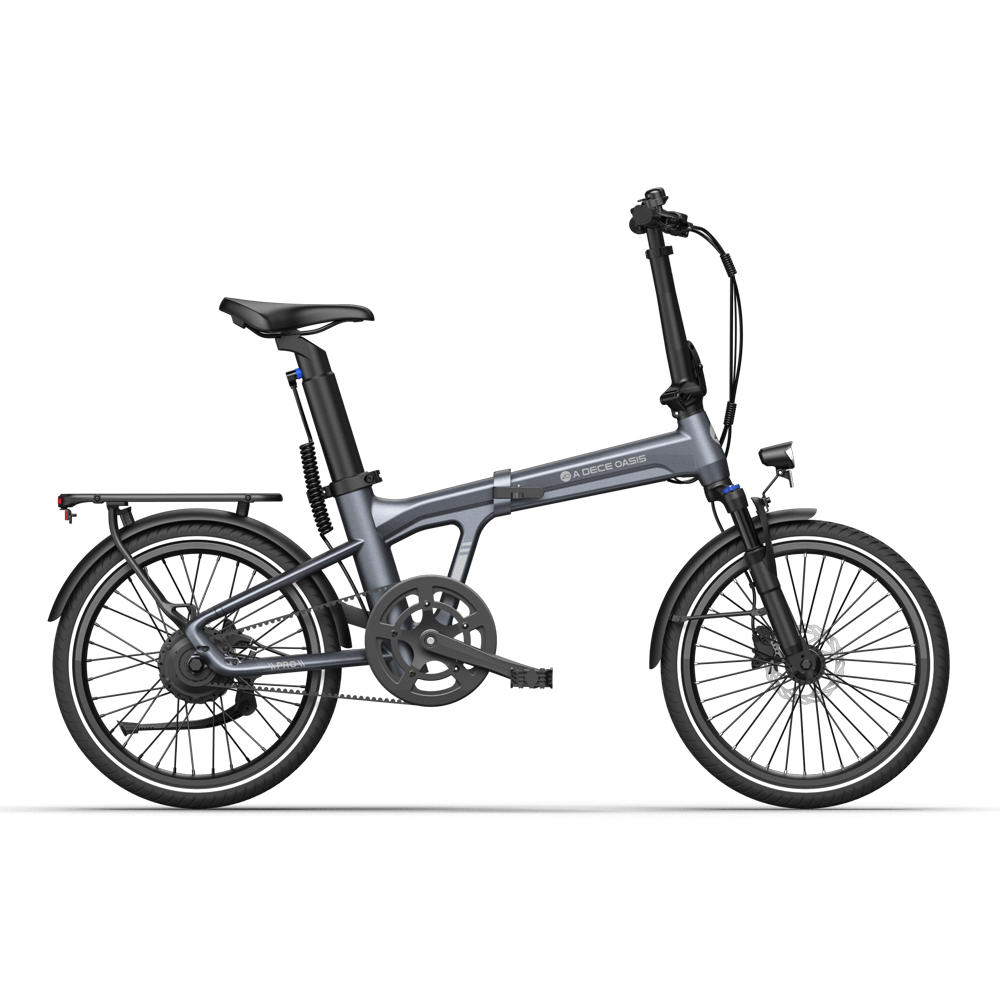
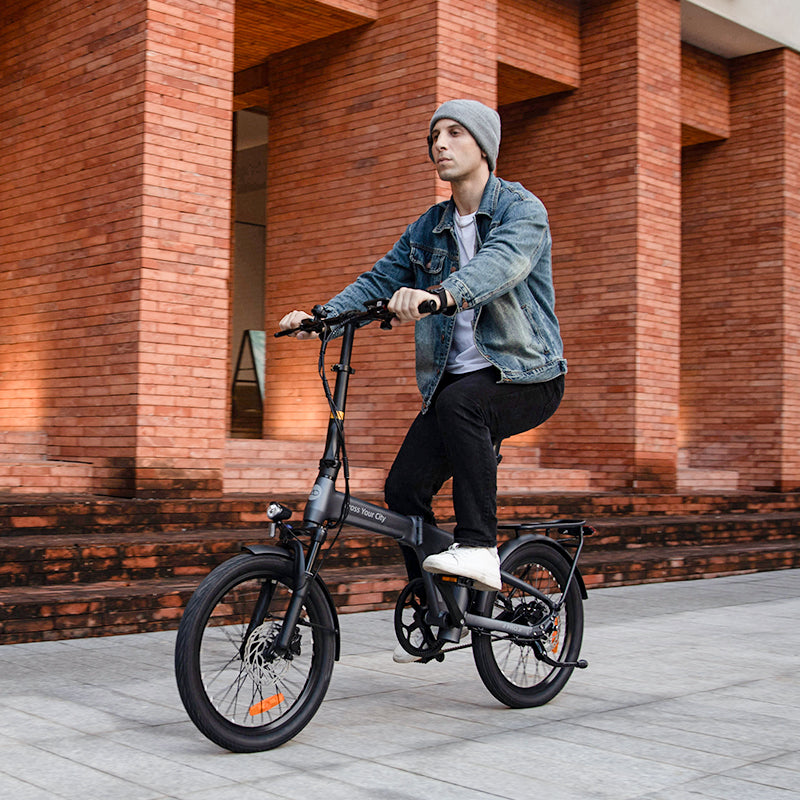
For users riding compact commuters like the best folding e-bike for commuting models, easily removable batteries simplify off-bike charging, home maintenance, and multi-year ownership.
What Does This Mean for Folding E-Bikes?
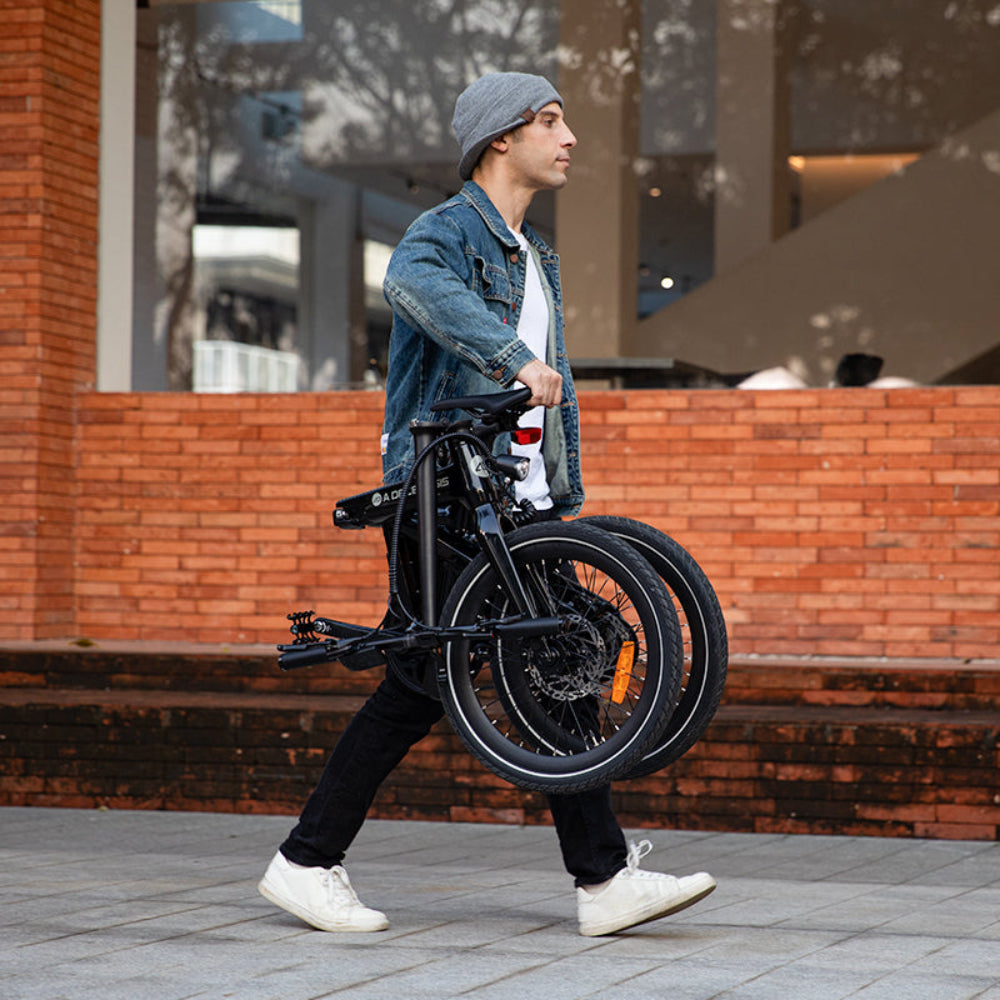
Compact and folding e-bikes face unique engineering hurdles due to tight frame dimensions and weight constraints. Under the updated standards:
- Optimized Structural Access: Designers must balance compact frame geometry with accessible, unsealed battery compartments.
- Modular Architecture: Manufacturers are shifting away from glued internal tubes toward modular, sliding seatpost batteries or quick-release locks.
- User Empowerment: Riders gain total control over swappable spare batteries for extended long-distance rides.
For example, the industry-leading ADO Air 20 folding e-bike series reflects this broader industry transition toward user-friendly, modular battery architecture rather than hard-to-service sealed frames.
What UK Riders Should Check Before Buying
When selecting an electric bike in 2026 and beyond, evaluate these crucial battery sustainability factors:
- Ease of Removal: Ensure the battery can be unlocked and detached quickly without specialist workshop tools.
- Standalone Availability: Confirm that the manufacturer sells standalone replacement batteries and official spare parts.
- Repair Transparency: Check if battery health information and BMS servicing guidelines are accessible to local bike shops.
Sustainability Tip: Prioritizing modular battery designs significantly reduces long-term maintenance costs, guards against premature obsolescence, and ensures your e-bike remains fully roadworthy for years to come.


Leave a comment
Please note, comments need to be approved before they are published.