












Why UK E-Bike Rules Matter
As micro-mobility continues to shape modern urban travel, keeping up with local laws is essential. The UK recently updated its electric bicycle regulations to prioritize safety, clarify road sharing, and maintain environmental compliance. For daily commuters, understanding these changes is the best way to enjoy a smooth ride while avoiding heavy fines or legal issues.
- Keep Commutes Legal: Staying informed about speed and power restrictions keeps your daily travel legal and hassle-free.
- Avoid Impounding & Fines: Riding a non-compliant e-bike on public roads can result in your vehicle being impounded or receiving costly penalty points on your driver's license.
Power Limits and Speed Restrictions
To be classified as an Electrically Assisted Pedal Cycle (EAPC) in the UK—meaning you can ride it on cycle paths and roads without a license—your e-bike must adhere to strict limit guidelines:
- Maximum Motor Power: The continuous rated power of the electric motor must not exceed 250W.
- Assistance Cut-Off Speed: The motor must automatically stop assisting the rider when the e-bike reaches 25 km/h (15.5 mph).
- Pedal Assistance: The motor should only activate when you are actively pedalling (twist-and-go throttles that go above 6 km/h without pedalling are subject to different, stricter rules).
- Legal Warning: Any electric bike that exceeds 250W or provides motor assistance beyond 25 km/h is legally classified as a moped or motorcycle. These require vehicle registration, annual tax, compulsory insurance, and a valid motorcycle license.
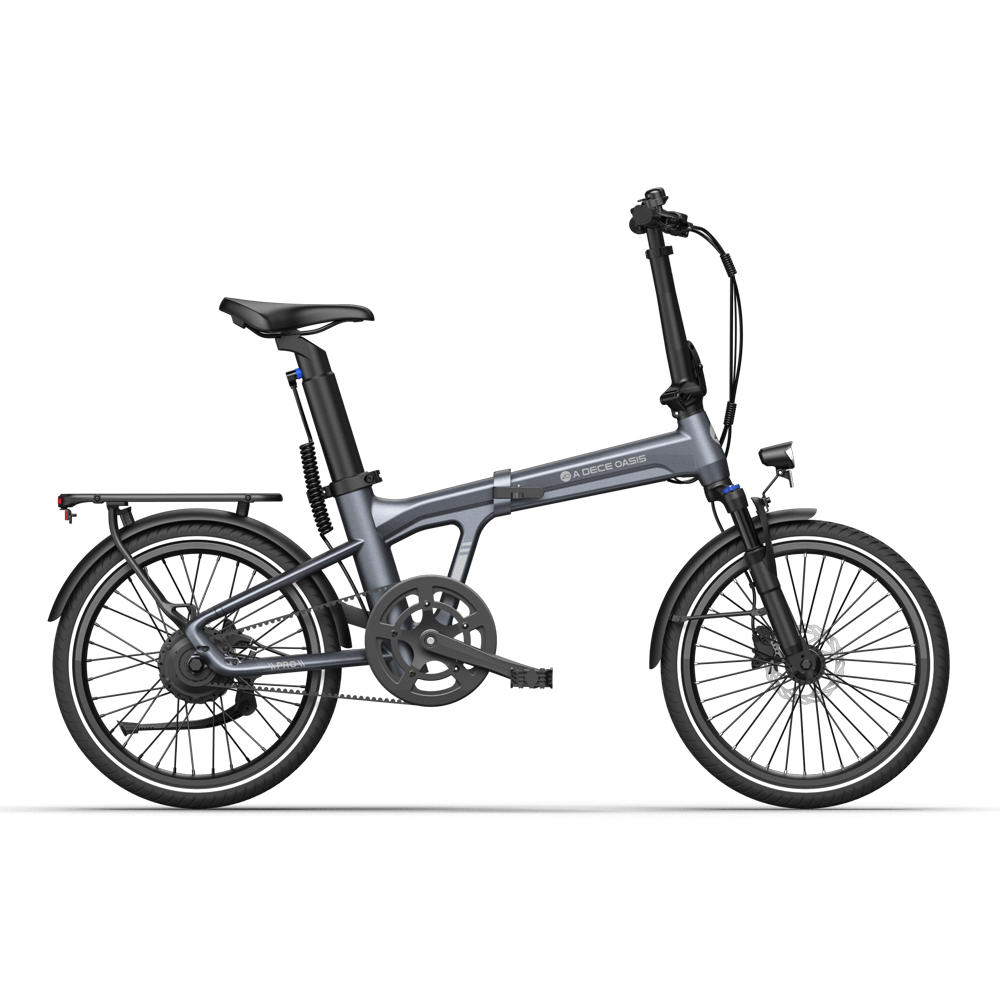
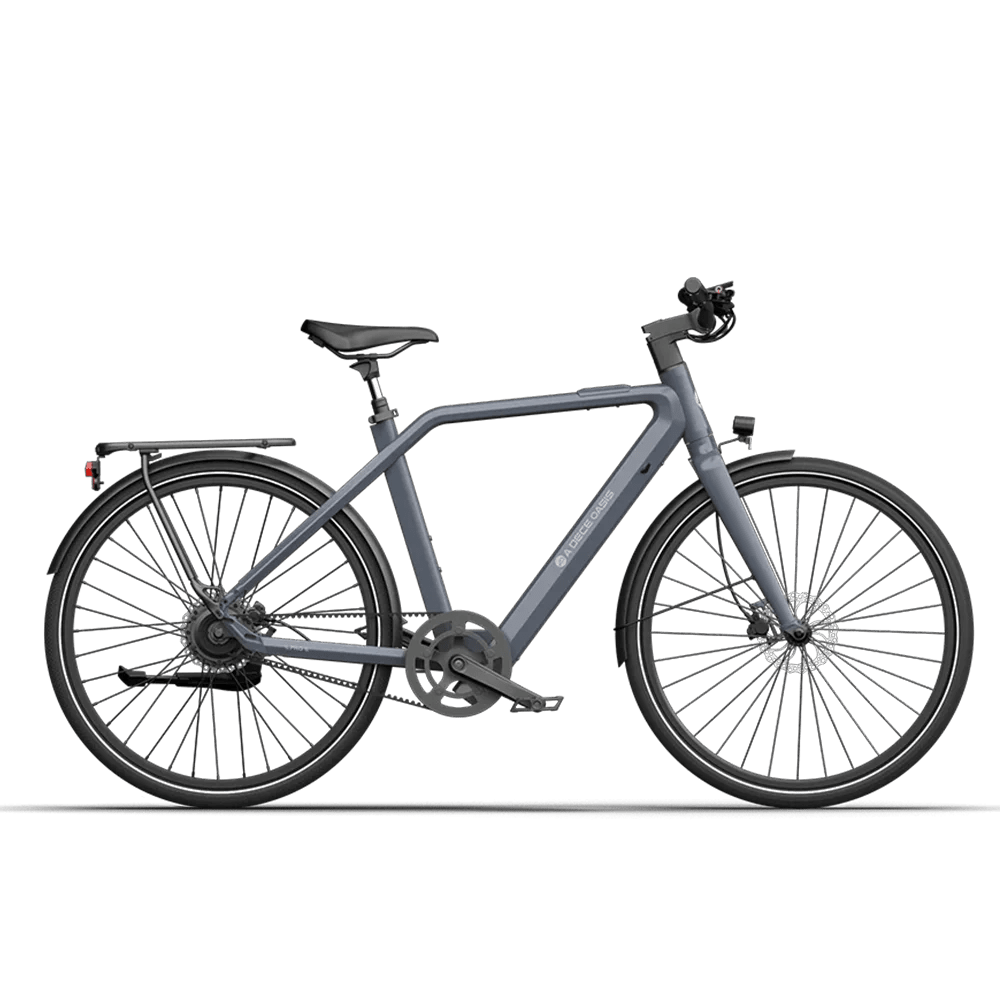
When choosing your ride, always verify compliance certificates. Certified models like the ADO Air 20 Ultra and Air 30 Ultra are fully engineered to meet these precise UK specifications out of the box.
Insurance and Legal Considerations
Navigating the legal landscape of urban cycling ensures a stress-free commute from day one:
- Is Insurance Mandatory? For standard EAPC-compliant e-bikes, registration, licensing, and third-party insurance are not legally required. However, cycle insurance is highly recommended to protect your investment against theft and accidental damage.
- Road Rules & Helmets: E-bike riders must obey the standard Highway Code. While wearing a helmet is not legally mandated for adults in the UK, it is highly recommended for personal safety.
- Age Limit: You must be at least 14 years old to legally ride an e-bike on public roads in the UK.
Choosing the Right E-Bike for Commuting
For daily city commuters, balancing legal compliance with everyday practicality is the key to a stress-free routine:
- Key Features to Look For: Prioritize lightweight materials, fast folding mechanisms, reliable battery life, and compact storage dimensions.
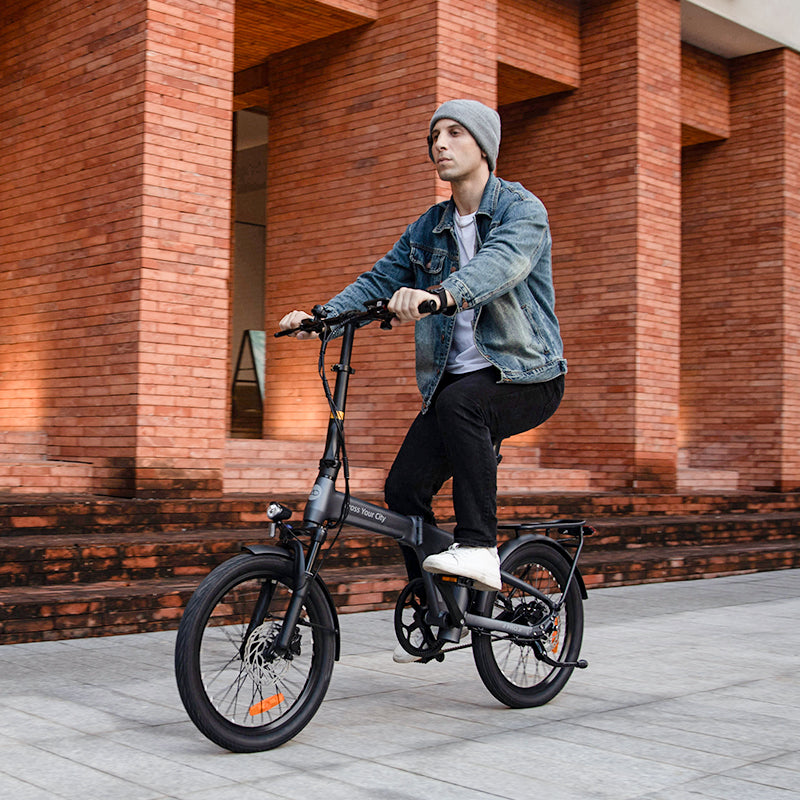
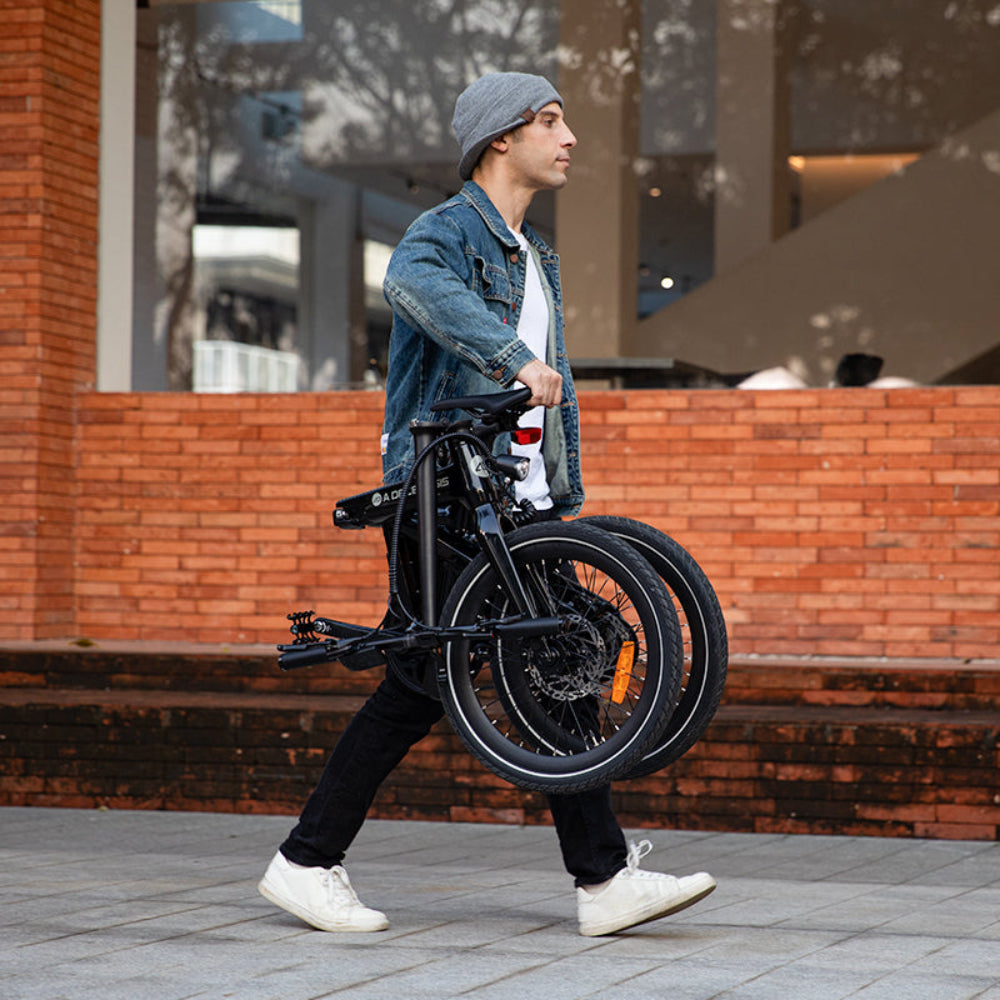
- The Ultimate Space Saver: For multi-modal commuters (combining riding with train or bus journeys), finding the best folding e-bike for commuting can save valuable time and storage space.
- ADO Air Series: ADO’s lightweight e-bike range, including folding models like the Air 20 Ultra, offers comfortable urban performance that folds down in under 15 seconds to fit under a desk or in a car boot.
Navigating the UK E-Bike Market
The UK micro-mobility market offers dozens of options, but safety and legal compliance should always be your top criteria. When searching for an ebike in UK, always verify that the manufacturer explicitly guarantees UK EAPC compliance. Opting for a certified, street-legal brand gives you absolute peace of mind on every single ride.


Leave a comment
Please note, comments need to be approved before they are published.