








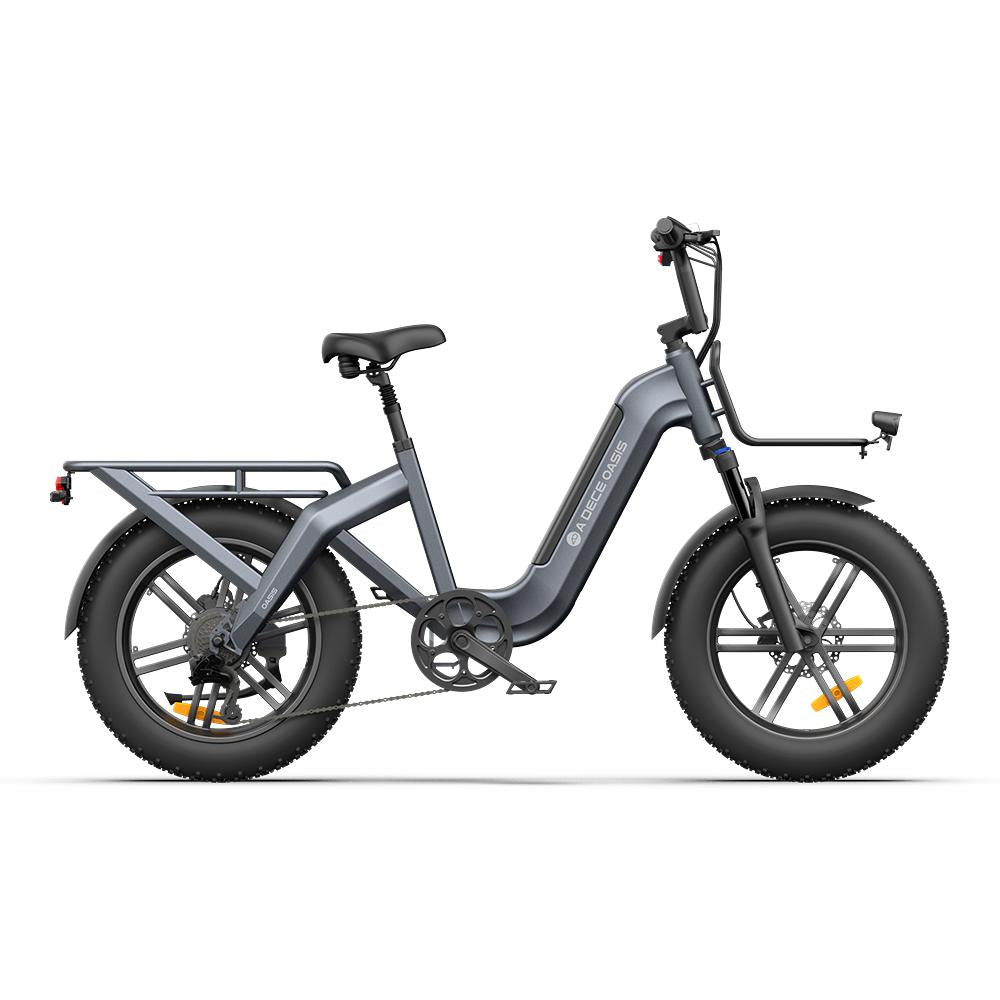


The Urban Theft Problem: Quick Stats
As micro-mobility sweeps across the country, bicycle security has surfaced as a primary concern. Understanding the scale of the issue is the first step in keeping your investment secure:
- A Common Urban Threat: Bicycle and e-bike theft remains one of the most frequently reported property crimes across major UK cities.
- Hotspot Targets: London and Manchester consistently report high volumes of e-bike theft in public parking zones, busy train stations, and designated cycle hubs.
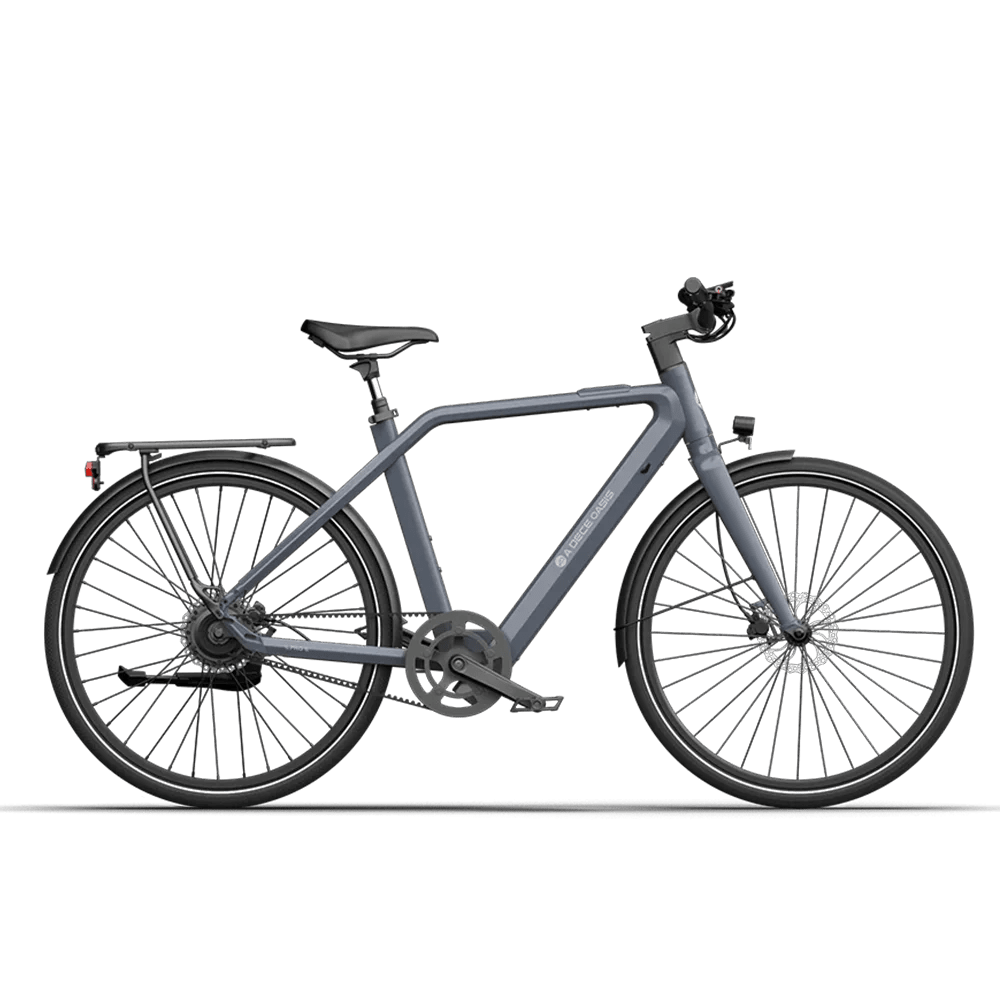
- Premium Target Appeal: Thieves often target high-end, high-visibility models, such as a top smart e-bike, because of their high resale value on secondary markets.
What Makes E-Bikes an Attractive Target?
To outsmart opportunists, riders must understand why electric models catch the eye of bike thieves more than traditional bicycles:
- Long Outdoor Exposure: Urban commuters frequently leave their e-bikes locked outdoors for hours at a time while at work, shopping, or using transit.
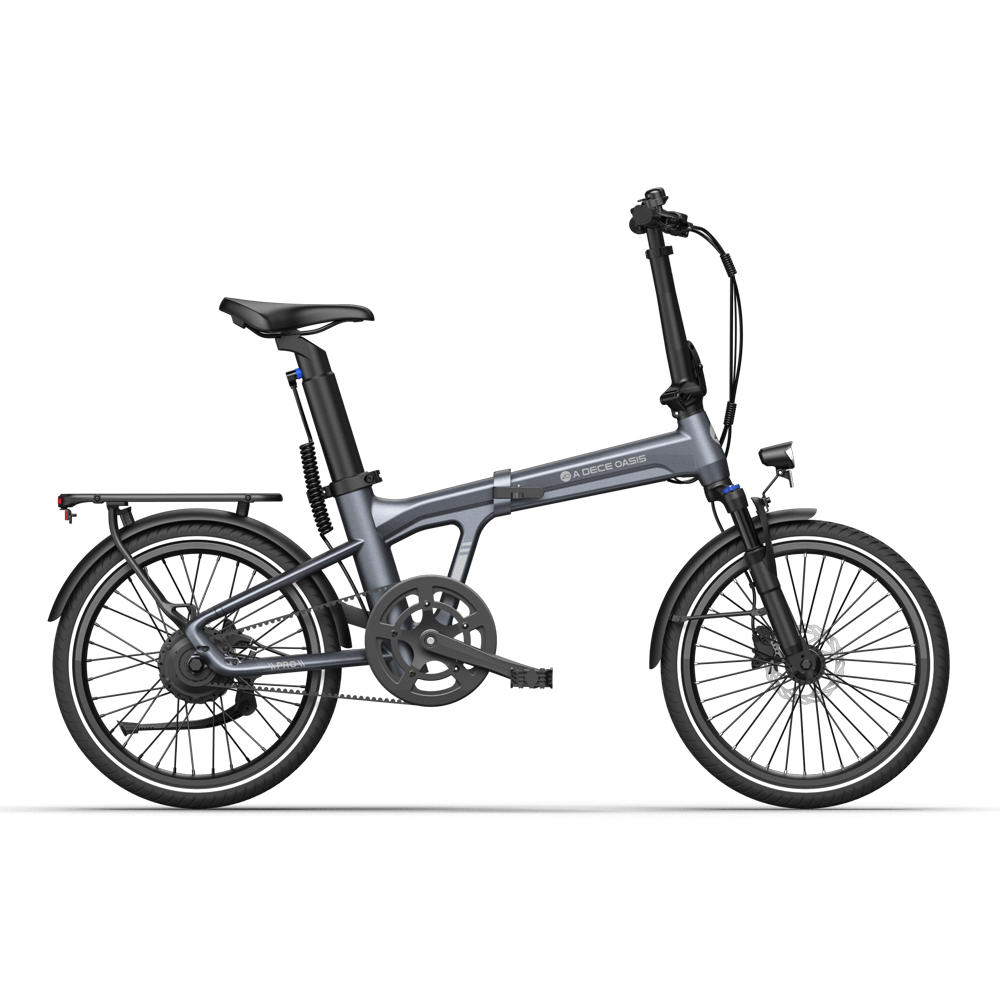
- High Resale Appeal: Modern e-bikes (including premium foldable electric bike variations) are highly sought after due to the intrinsic value of their compact lithium batteries and motors.
- Insufficient Protection: Standard cable locks alone are easily defeated within seconds by determined thieves carrying portable power tools.
Practical Theft-Prevention Tips
Securing your ride requires a smart combination of physical hardware, strategic parking, and digital tracking. By building multiple layers of security, you drastically reduce the chance of theft:
- Locking & Location: Always choose highly visible, busy, and well-lit areas with active CCTV coverage. When locking, secure your frame to an anchored metal stand using a heavy-duty gold-standard U-lock, combined with a secondary chain lock.
- Layers of Security: Always detach your battery, smart displays, and any loose accessories before leaving your bike. Adding secondary deterrents like wheel locks or motion-sensitive alarms adds valuable extra time.
- Register & Record: Take clear photographs of your frame's serial number and any distinct features. Register your vehicle on official UK databases like the National Cycle Database (BikeRegister) to aid police recovery.
Smart Technology That Helps
In 2026, mechanical locks are only half the battle. Integrating smart tech into your setup provides active peace of mind:
- Built-In GPS Tracking: Allows you to monitor your bike's real-time position directly from your smartphone, providing valuable coordinates if it is ever moved.
- Instant Motion Alarms: Sensitive integrated alarms will emit high-decibel warnings and send immediate push notifications to your phone upon detecting unauthorized movement.
- Simplified Recovery: This dual layer of instant alerts and live location mapping makes it significantly easier for both owners and local police to recover stolen property.
Real-World E-Bike Recovery Stories
Smart security measures are already proving their worth on UK streets:
- Manchester: A daily commuter successfully tracked their stolen folding bike using real-time GPS location coordinates, leading local officers straight to the recovery site within hours.
- London: A motion-sensitive smart alarm triggered loud sirens in a crowded area, causing a thief to abandon their tools and flee before cutting through the primary lock.
Commuter Convenience Without Security Compromise
The easiest way to prevent outdoor theft is to avoid parking outdoors altogether. This is where folding design excels:
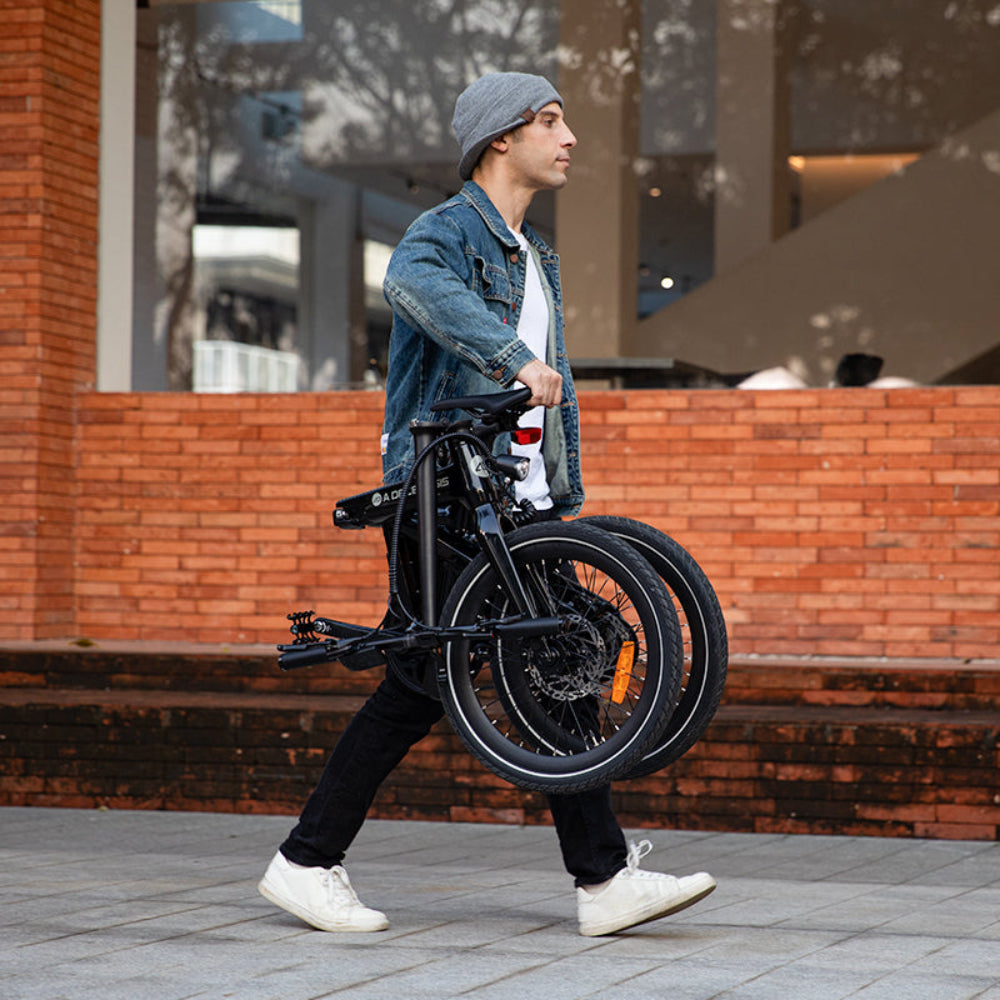
- Indoor Storage: Elite models like the ADO Air Carbon are built with premium carbon frames that fold in seconds, allowing you to easily bring your bike inside.
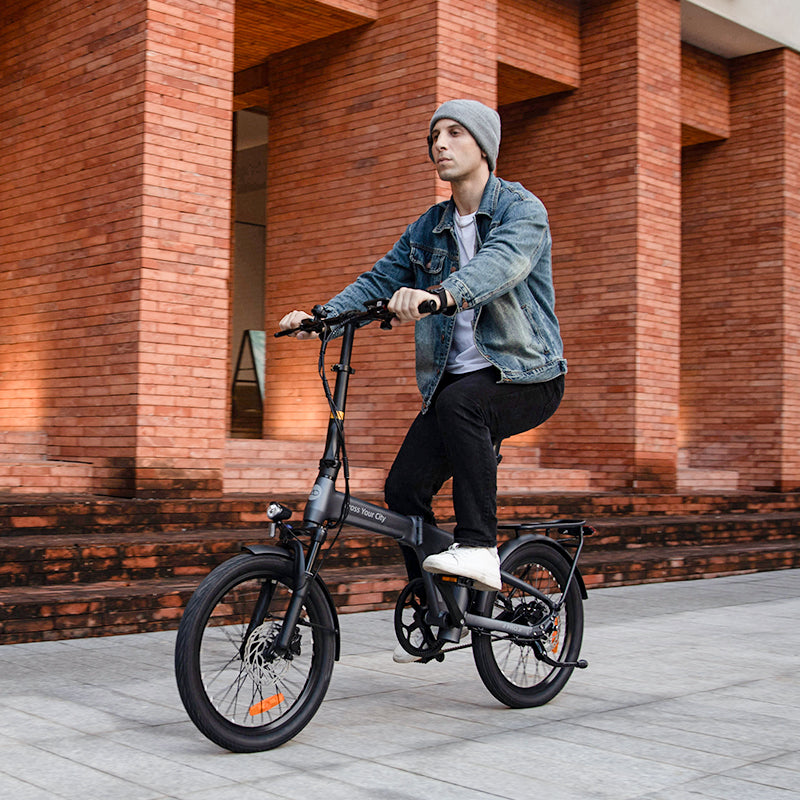
- Out of Sight, Out of Mind: Sliding a folded e-bike neatly under your office desk or into a hallway closet completely eliminates outdoor theft risks.
- Active GPS Integration: Paired with ADO's active GPS features, you can verify your bike's exact coordinates at any time with a quick glance at your phone.


Leave a comment
Please note, comments need to be approved before they are published.