


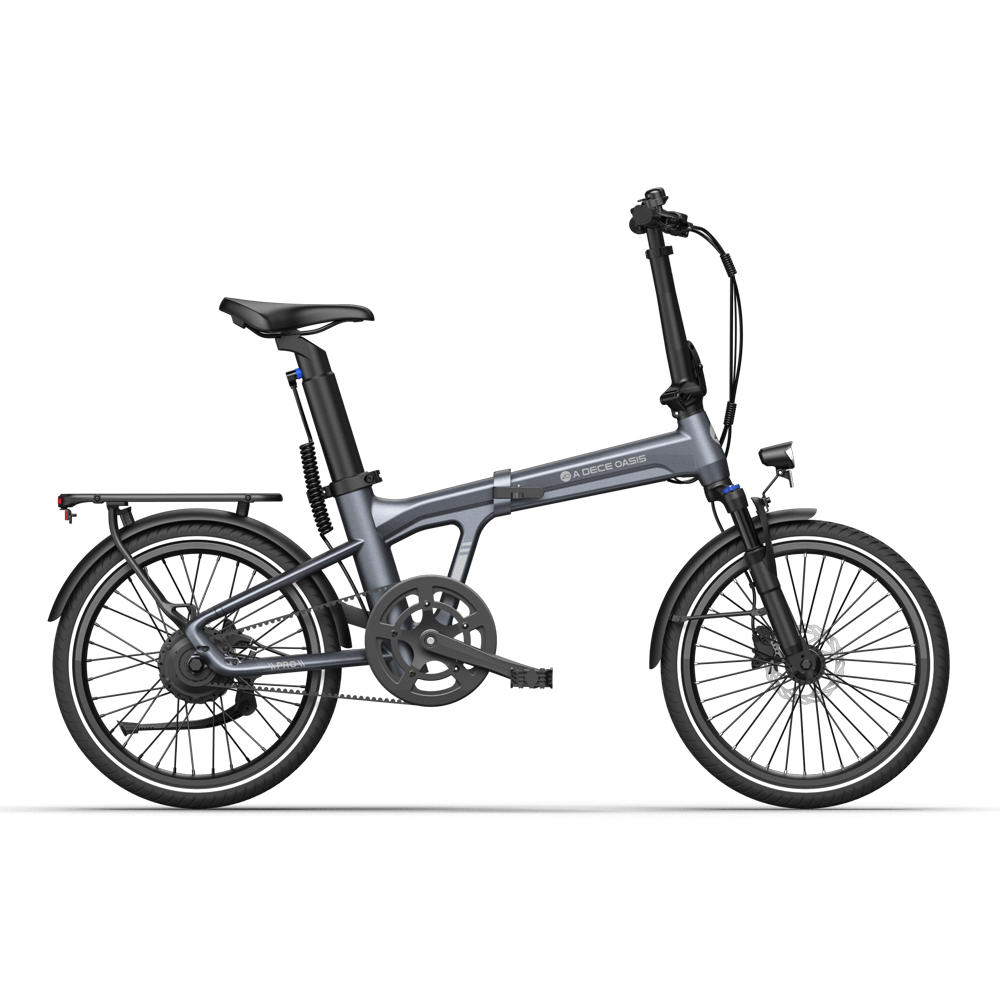






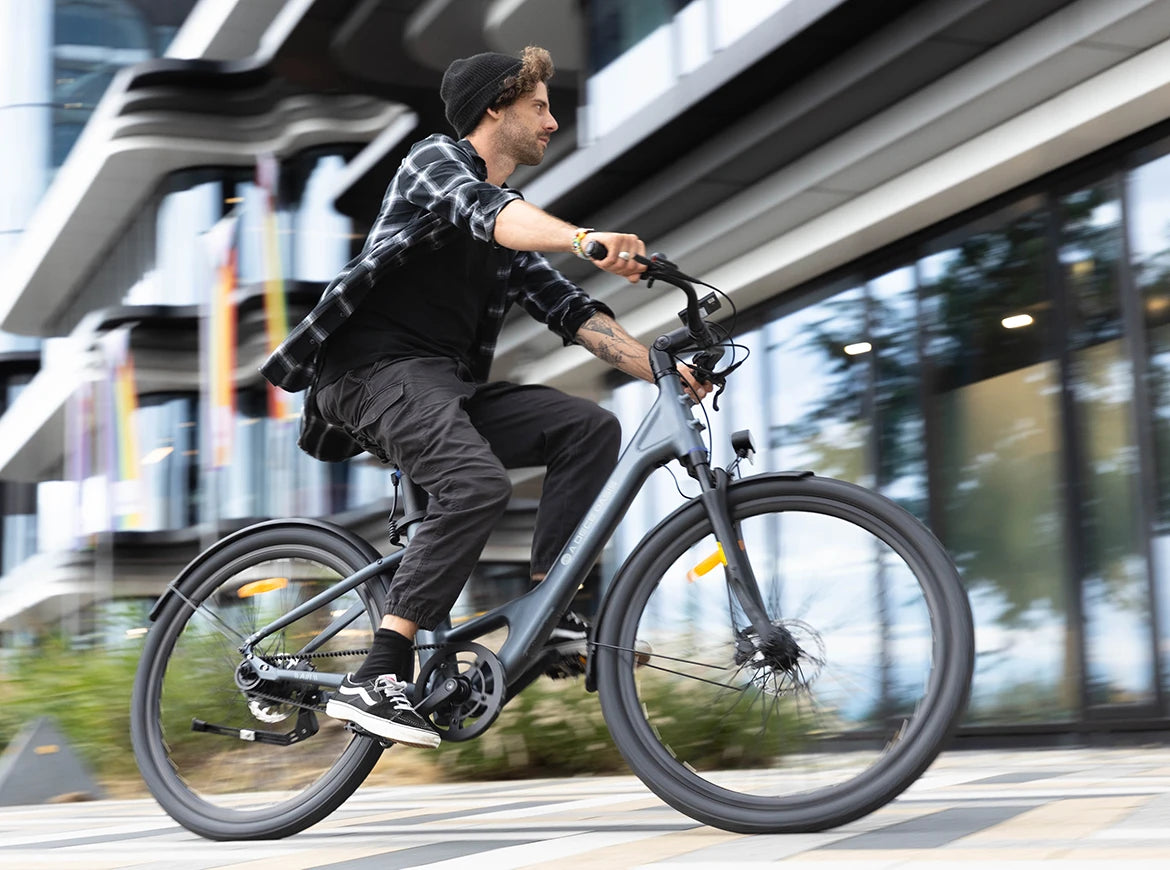


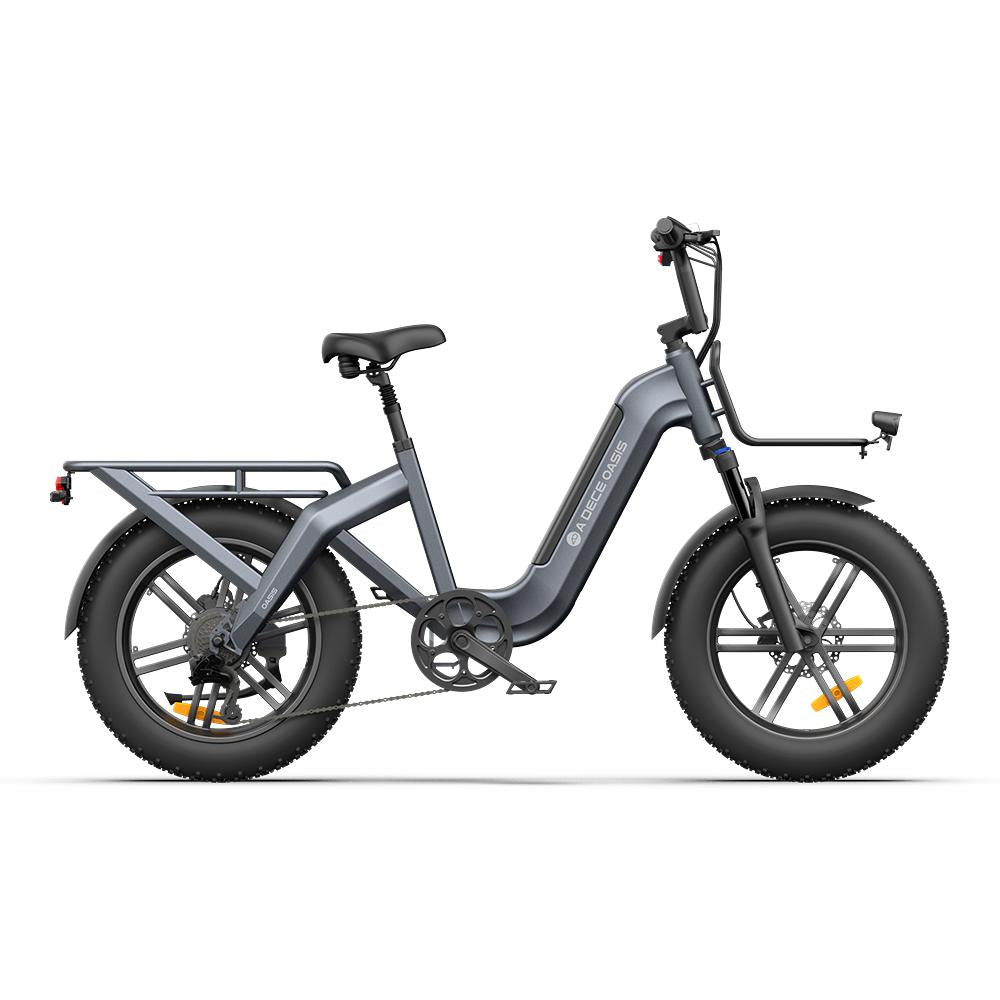


Electric bikes are increasingly common across the UK, from busy London streets to quiet countryside lanes. If you’re considering commuting with electric bike, understanding the legal framework is essential.
This 2026 updated guide explains the key UK regulations, including 250W power limits, the 15.5mph assistance cap, and EAPC classification — and clarifies how compliant models such as the ADO range fit within these rules.
1. What Is an EAPC in the UK?
In the UK, most road-legal electric bikes fall under the category of:
Electrically Assisted Pedal Cycles (EAPCs)
To qualify as an EAPC, an e-bike must:
-
Have pedals that can propel the bike
-
Show either the motor’s power output or manufacturer details
-
Have a motor with a maximum continuous rated power of 250 watts
-
Provide electric assistance only when pedalling
If your bike meets these criteria, it is legally treated as a normal bicycle.
That means:
-
No driving licence required
-
No vehicle tax
-
No insurance required
-
No registration with DVLA
2. The 250W Power Limit Explained
The UK law specifies:
-
Maximum continuous rated motor power: 250 watts
This does not mean the bike lacks performance. Instead:
-
The rating refers to continuous output, not peak bursts
-
Modern 250W motors provide sufficient torque for city riding
-
They are ideal for urban commuting and daily transport
For most riders using an ebike in uk, a compliant 250W system offers a balance of efficiency, safety, and legality.
3. The 15.5mph (25km/h) Assistance Cap
Another key regulation is the speed limit for motor assistance.
-
Electric assistance must cut off at 15.5mph (25km/h)
-
You can ride faster than 15.5mph
-
But the motor must stop assisting beyond that speed
This rule ensures:
-
Safer integration with other cyclists and pedestrians
-
Compatibility with cycle lanes and shared paths
-
Clear distinction from mopeds or motorcycles
If a bike provides power beyond 15.5mph without pedalling, it may be classified as a motor vehicle, which involves licensing and insurance requirements.
4. What About Throttles?
UK rules allow:
-
“Twist-and-go” throttles only under limited approval
-
Most compliant models rely primarily on pedal assist
If an e-bike can move without pedalling and exceeds regulatory limits, it may fall outside EAPC status.
Always check manufacturer specifications carefully.
5. Are ADO Models Legal in the UK?
ADO’s UK-spec models are designed to comply with EAPC regulations.
They feature:
-
250W rated motors
-
Pedal-assist systems
-
15.5mph assistance cut-off
For example, the urban all-rounder ADO Air 28 urban all-rounder e-bike is built for everyday city riding while staying within UK legal requirements. Its geometry and assist system suit commuting, leisure rides, and mixed urban terrain — without exceeding EAPC limits.
This ensures riders can confidently use ADO models on:
-
Public roads
-
Cycle lanes
-
Shared-use paths
6. Final Thoughts
Electric bikes are legal in the UK — as long as they meet EAPC standards:
-
250W maximum continuous motor power
-
15.5mph assistance cut-off
-
Pedal-assist operation
-
Proper manufacturer markings
Choosing a compliant model ensures simple, stress-free riding with no need for tax, insurance, or registration.
As UK cities continue to support cycling infrastructure, electric bikes remain a practical and fully legal transport solution in 2026.


Leave a comment
Please note, comments need to be approved before they are published.