









Rain is part of everyday life in the UK, so it's natural to wonder whether an electric bike is suitable for wet-weather riding. The good news is that most modern e-bikes are designed to cope with typical British rain. Understanding water resistance, safe riding practices, and proper maintenance will help keep your e-bike performing well throughout the year.
Are Electric Bikes Waterproof?
Most electric bikes are water-resistant, not fully waterproof.
Manufacturers use IP (Ingress Protection) ratings to indicate how well electrical components are protected from water and dust.
Typical protection includes:
- Light rain and showers
- Wet roads and puddle splashes
- Damp commuting conditions
However, e-bikes are not designed for:
- Riding through deep floodwater
- High-pressure jet washing
- Submerging electrical components
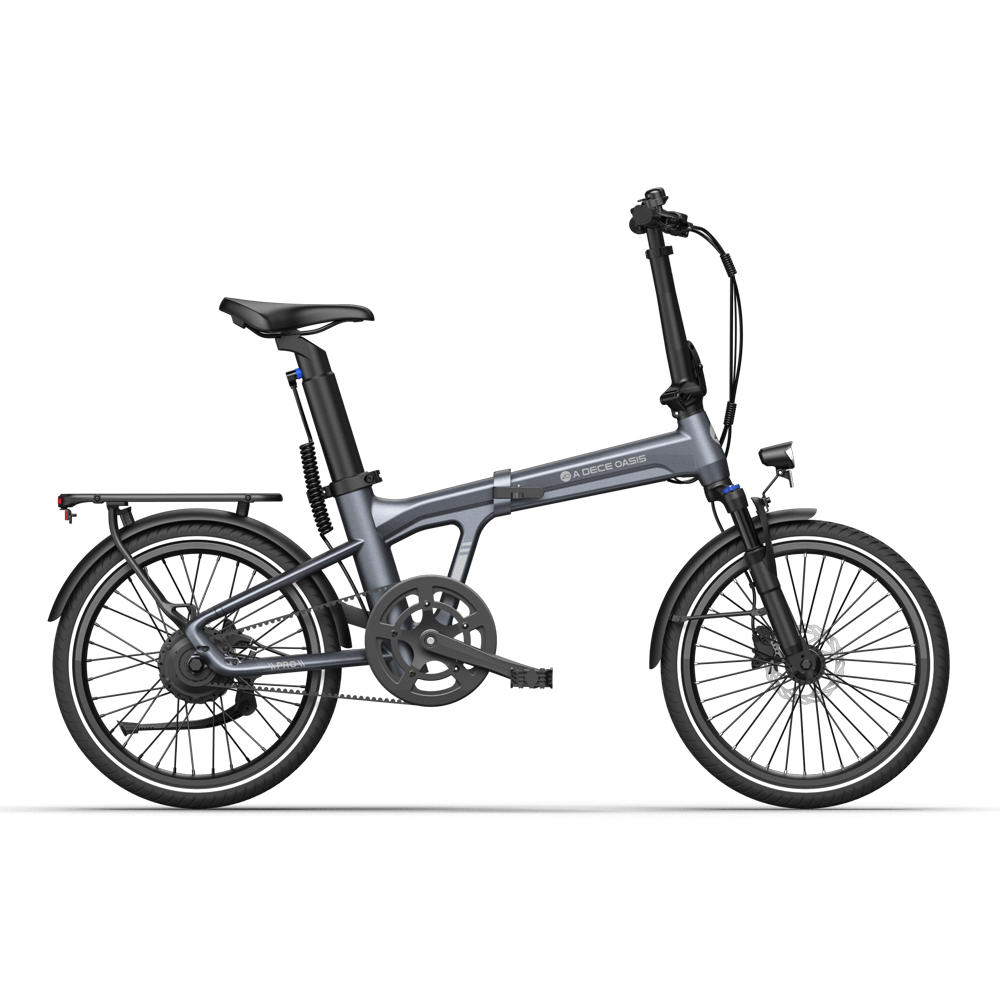
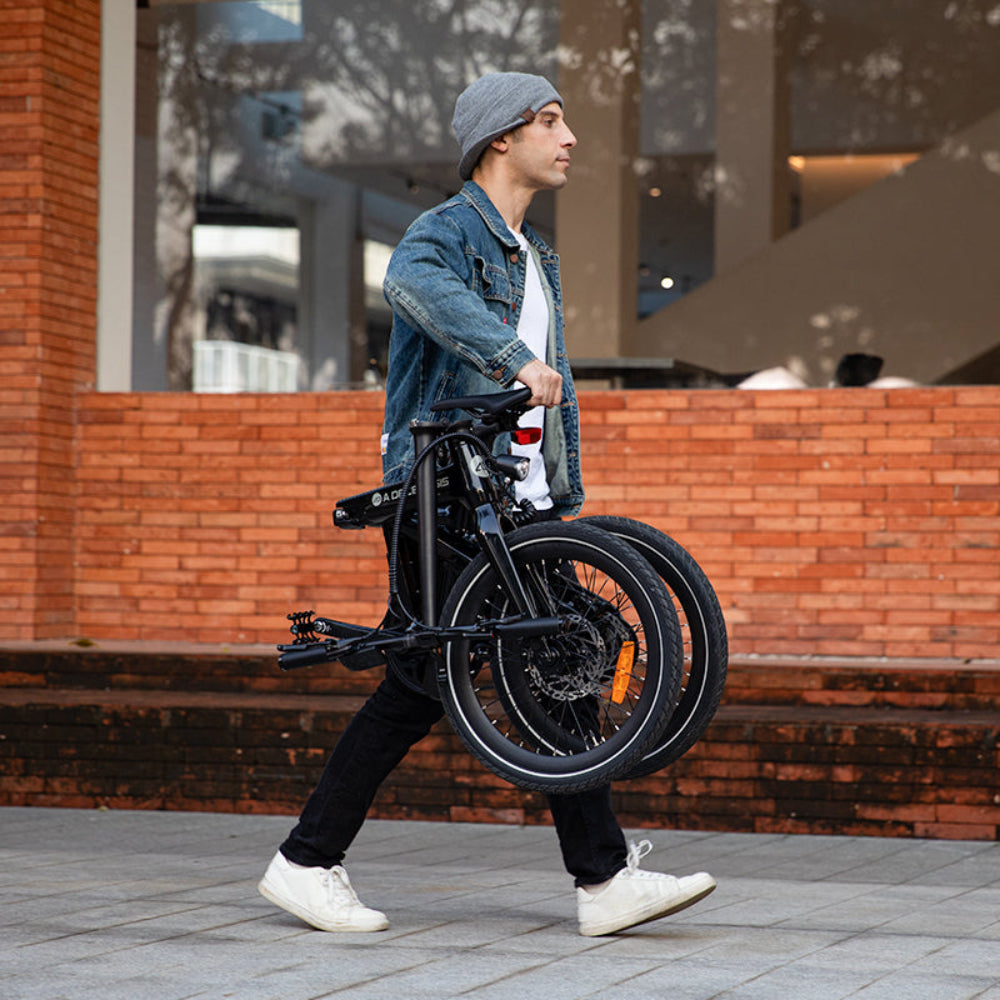
If you're choosing a foldable electric bike for everyday use, checking its weather protection is just as important as looking at battery range or motor performance.
What Do IP Ratings Mean?
An IP rating tells you how well electrical parts are protected.
For e-bikes, this generally covers components such as:
- Battery
- Motor
- Display
- Controller
- Wiring connections
Although protection levels vary between manufacturers, a properly designed electrical system helps riders feel more confident when cycling in Britain's changeable weather.
Always refer to the manufacturer's recommendations for riding and maintenance after exposure to rain.
Tips for Riding Safely in Wet Weather
Wet roads reduce grip and increase stopping distances.
To improve safety:
- Reduce your speed before corners.
- Brake earlier and more gently.
- Avoid painted road markings and metal drain covers.
- Increase the distance from other road users.
- Wear waterproof and reflective clothing.
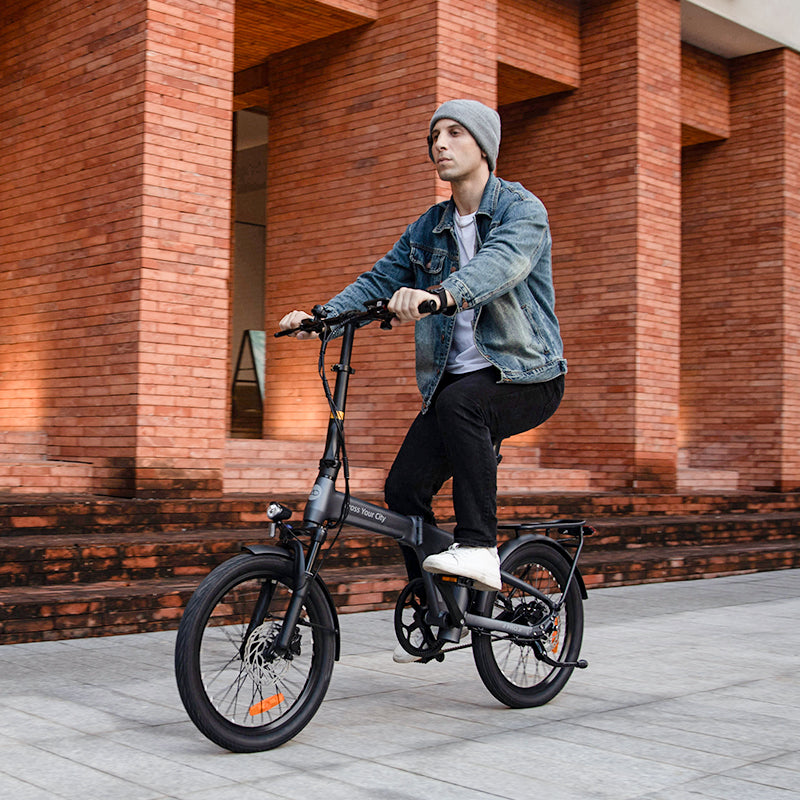
For people commuting with electric bike, these simple habits can make rainy journeys safer and more comfortable.
Looking After Your E-Bike After Rain
A little maintenance goes a long way.
After riding in wet conditions:
- Wipe the frame with a soft cloth.
- Dry the battery contacts before charging.
- Check tyres and brakes.
- Remove dirt from moving parts.
- Store the bike in a dry place whenever possible.
For example, the ADO Air 20S is designed with weather-resistant electrical protection for everyday riding, helping it cope with typical UK rain when used and maintained according to the manufacturer's guidance.
Regular care can also help extend the life of your bike's components.
Why Weather Protection Matters for UK Riders
British weather can change quickly, especially during autumn and winter.
When comparing folding e-bikes for UK, consider features such as:
- Reliable electrical protection
- Quality sealing around components
- Durable braking performance
- Easy indoor storage after wet rides
- Practical maintenance requirements
These features can make everyday riding more dependable in changing weather conditions.
Conclusion
Rain doesn't have to stop you from enjoying your e-bike.
By understanding IP ratings, riding more carefully on wet roads, and maintaining your bike after each ride, you can confidently use an electric bike throughout the year.
With the right preparation, rainy weather becomes just another part of everyday cycling in the UK.


Leave a comment
Please note, comments need to be approved before they are published.