










Introduction
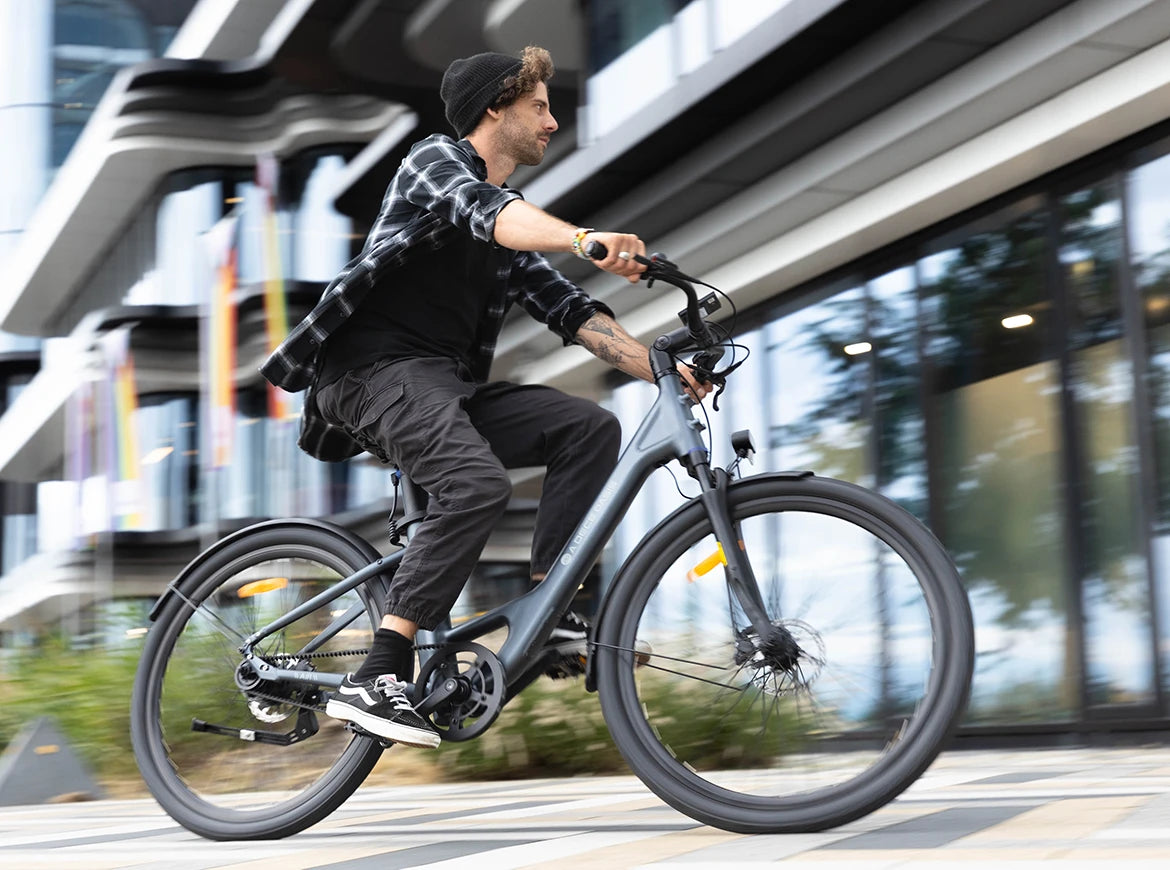
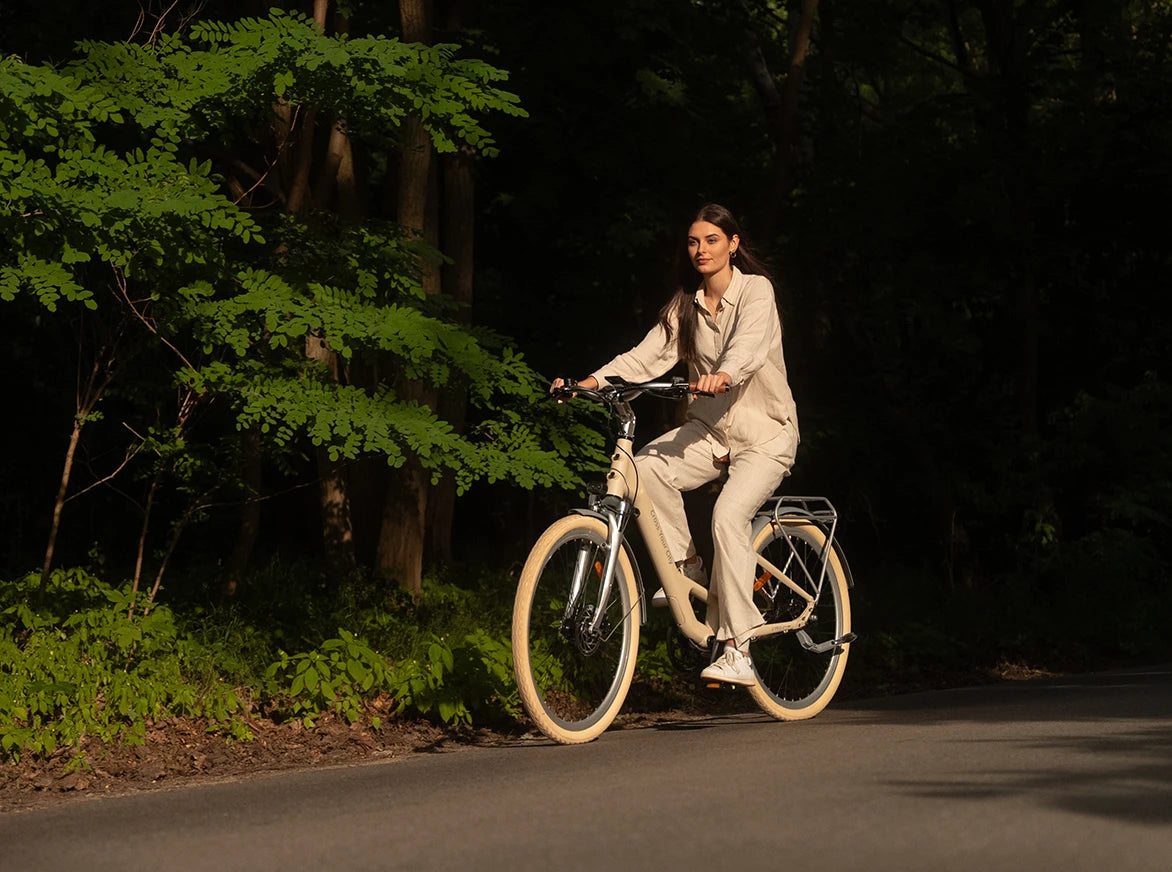
A modern e-bike is no longer just a bicycle with an electric motor attached.
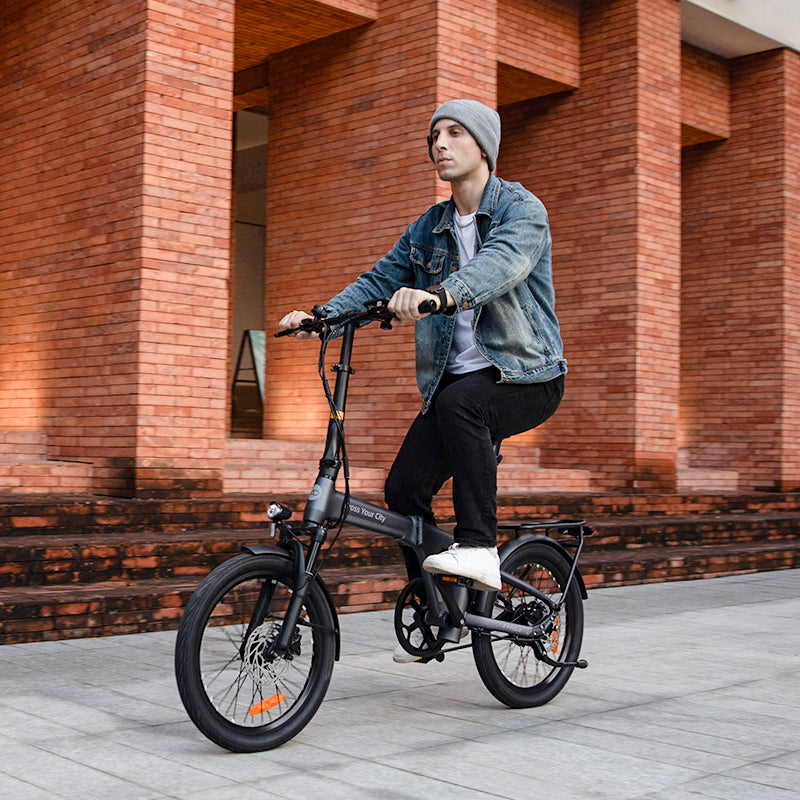
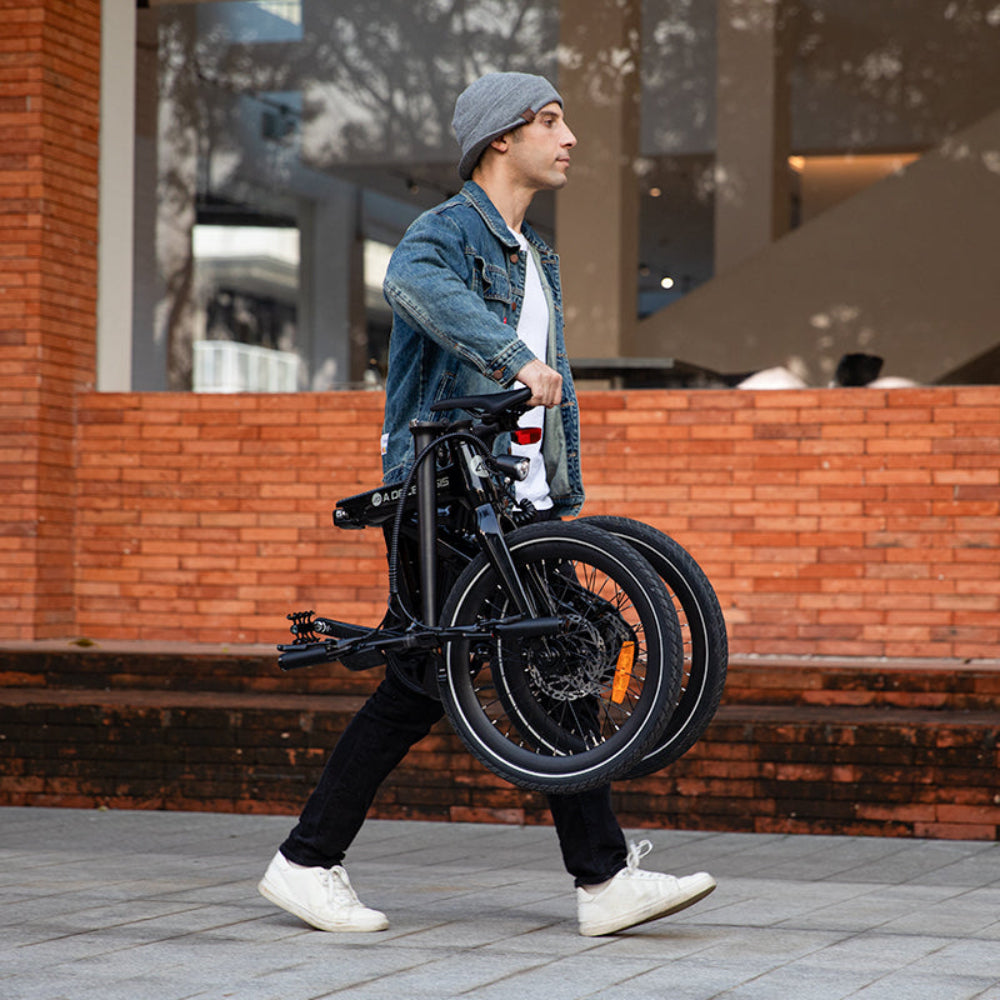
Lightweight carbon frames, folding mechanisms, integrated batteries, electronic drive systems and smart connectivity have changed the way people use electric bikes. For many UK commuters, an e-bike is now part of a complete daily journey: riding to a railway station, taking public transport, carrying the bike into an office and continuing the trip at the other end.
However, this new style of commuting also creates new insurance considerations.
For a compliant Electrically Assisted Pedal Cycle (EAPC) in Great Britain, compulsory motor insurance is not required. An EAPC must have pedals capable of propelling the cycle, a motor with a maximum continuous rated power of 250W and electrical assistance that cuts off at 15.5 mph.
But for riders investing in premium e-bikes, the important question is not simply whether insurance exists. It is whether the protection reflects the way a modern e-bike is actually stored, transported and used.
Why Premium E-Bikes Create Different Insurance Risks
The value of a modern e-bike is no longer concentrated only in the frame.
A premium e-bike combines multiple high-value components, including the battery, motor, electronic controls, display system and integrated accessories. This means that protecting an e-bike is not only about preventing complete theft ; individual components and different usage environments can also affect insurance considerations.
Unlike traditional bicycles, many modern e-bikes are designed for flexible urban lifestyles. A folding model may be stored inside an apartment, carried onto a train, kept beside a desk or parked temporarily outside a café.
These different scenarios create risks that conventional bicycle insurance may not always have been designed around.
Can a Lightweight E-Bike Be Easier to Steal?
Lightweight design is one of the biggest advantages of modern e-bikes.
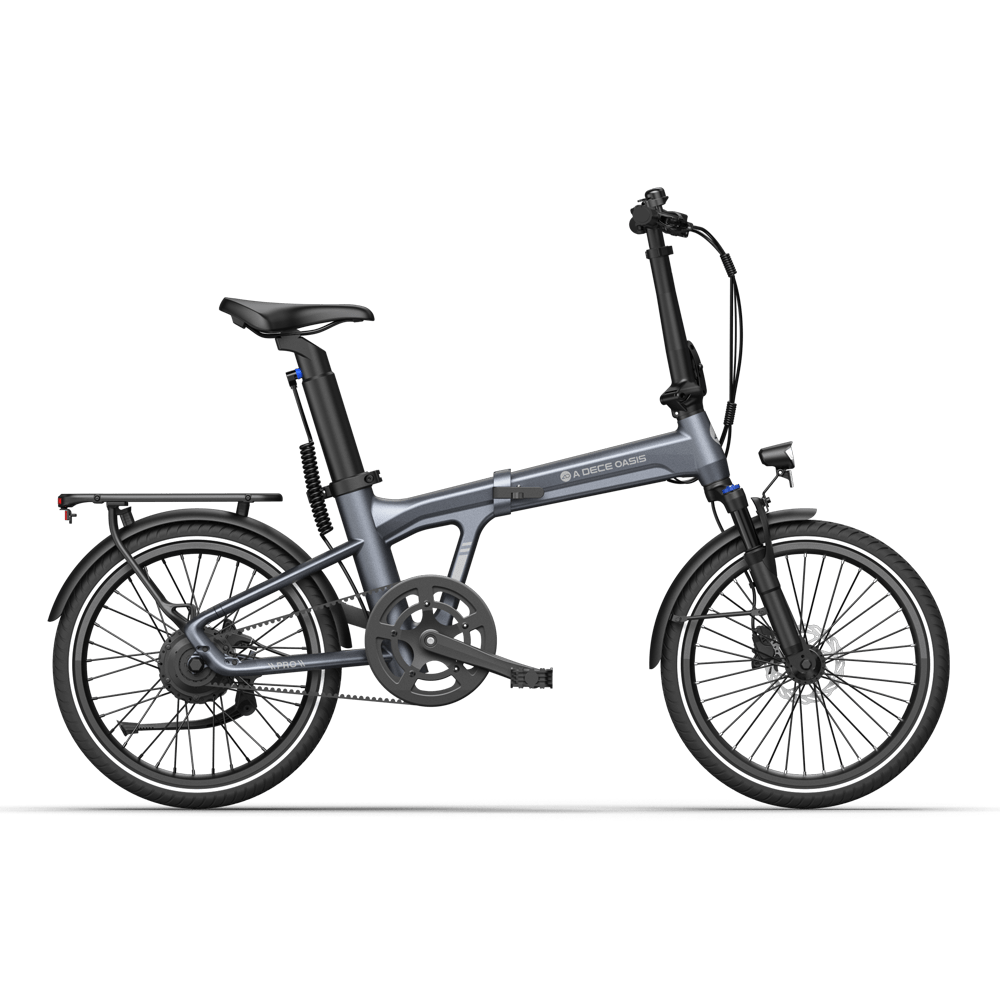
A bike such as the ADO Air Carbon Pro, with its carbon fibre construction and folding capability, is designed to make daily transport easier. Riders can lift it into a home, carry it upstairs or store it in an office rather than leaving it outside.
However, the same portability creates a different theft consideration.
Traditional bicycles are often difficult to move without tools because of their size and weight. A lightweight e-bike can potentially be moved more easily if it is not properly secured, which is why insurance providers often place importance on approved locks and security methods.
There is no single UK-wide lock requirement. Different insurers apply different conditions.
For example:
- Pedalsure uses different Sold Secure lock requirements depending on the value of the bike.
- ETA applies value-based lock requirements.
- Laka also specifies security conditions for bikes left unattended away from home.
The key point is that a premium e-bike requires a security approach that matches its value.
A lightweight folding e-bike is easier for the owner to carry, but it still requires appropriate protection when left unattended.
Why Unattended Hours Matter for E-Bike Insurance
Modern commuting often involves leaving an e-bike in multiple locations throughout the day.
A typical journey might look like:
Home → Railway Station → Train → Workplace → City Ride → Home
However, insurance conditions can vary depending on where and how long the bike is left unattended.
“Covered away from home” does not always mean unlimited protection everywhere.
Some insurers define different conditions for:
- Railway station parking
- Workplace storage
- Communal bike areas
- Public spaces
For example, Pedalsure publishes different unattended periods depending on the location where the bike is left.
This is why the real insurance question is not only where the bike is covered, but also whether the policy matches your daily routine.
Water Ingress and Electrical Components: What Does Insurance Really Cover?
The electrical system is what separates an e-bike from a traditional bicycle.
Battery, motor and electronic components create additional value, but they also create more complex insurance considerations.
A common misunderstanding is assuming that “battery covered” means every battery-related issue will automatically be included.
Insurance generally distinguishes between different situations:
- Battery theft
- Accidental damage caused by an insured incident
- Motor damage after a collision
- Electrical or mechanical failure caused by normal use
Specialist insurers handle these situations differently.
For example, Pedalsure includes the battery and motor within its e-bike cover for specified theft and damage situations. Bikmo’s published policy distinguishes accidental damage to electrical drivetrain components from general electrical or mechanical failure. Laka also provides specialist cycling cover with specific conditions around damage and theft.
This distinction is particularly important for advanced commuter e-bikes equipped with smart electronics.
Specialist E-Bike Insurance vs Home Insurance
Some riders assume their existing home contents insurance will automatically provide enough protection.
In some cases, it may provide useful cover. However, specialist cycle insurance and household insurance are designed around different risk profiles.
| Risk | Specialist E-Bike Insurance | Home Contents Insurance |
|---|---|---|
| Theft away from home | Often specifically included | Depends on policy |
| Battery and motor | May be specifically covered | Depends on wording |
| Accidental damage | Often available | May require additional cover |
| Accessories | Usually subject to defined limits | Depends on contents cover |
| Workplace or station storage | May have specific conditions | Policy dependent |
| Commercial use | Usually subject to specific conditions | Often restricted |
The important difference is not that one option is always better.
It is whether the protection reflects how the e-bike is actually used.
A commuter riding an ADO Air Carbon Pro between home, public transport and work has a very different risk profile from someone using a standard bicycle occasionally for leisure.
Accessories, Upgrades and the Real Value of Your E-Bike
The value of an e-bike often increases after purchase.
Commuters may add:
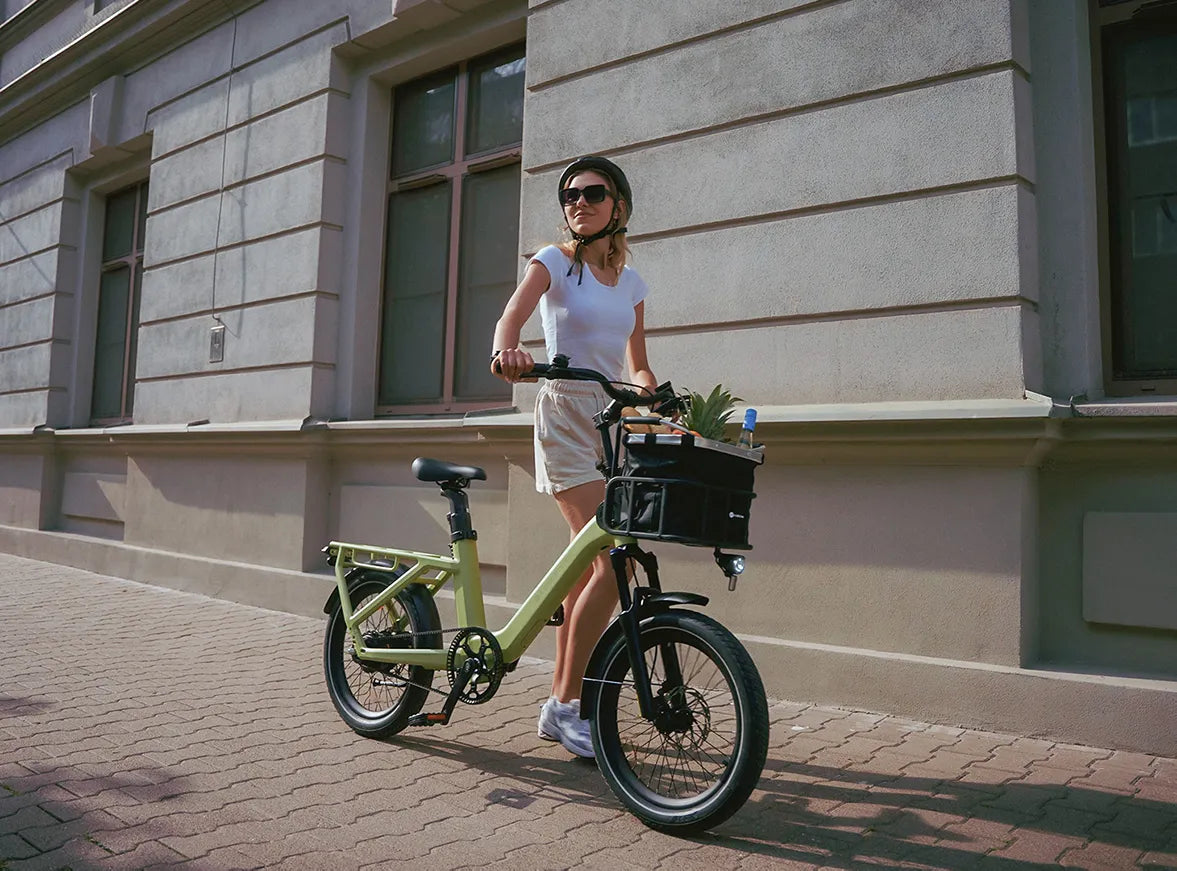
- Luggage solutions
- Lights
- Storage accessories
- Replacement components
- Other practical upgrades
Insurance policies may treat these additions differently.
Specialist insurers such as Bikmo provide specific limits for accessories and equipment, meaning riders should understand what is included and what requires additional consideration.
Keeping purchase records, photographs and serial numbers can help establish ownership and value if a claim is required.
For premium e-bikes, documentation is not just paperwork. It helps demonstrate the complete value of the bike.
Is E-Bike Insurance Worth It for UK Commuters?
There is no universal answer.
The value of e bike insurance uk depends on:
- The price of the bike
- How often it is used
- Where it is stored
- Whether it is taken on public transport
- Whether it is used for commuting or commercial purposes
A high-value folding e-bike used every weekday in an urban environment faces very different risks from a lower-cost bike stored securely at home.
For many riders, insurance provides peace of mind because an e-bike is not simply a bicycle. It is part of their daily transport system.
Frequently Asked Questions
Everything you need to know about E-Bike insurance and protection.
For a compliant EAPC in Great Britain, compulsory motor insurance is not required. Different rules can apply to electric bikes that do not meet the EAPC requirements.
Theft is commonly included in specialist cycle insurance, but the circumstances of the theft and security conditions can affect a claim.
It can be. Some specialist policies include the battery as part of the insured e-bike, but theft, accidental damage and electrical failure may be treated differently.
Not universally. Lock requirements vary between insurers and can depend on the value of the bike. Some providers require Gold-rated security for higher-value bikes, while others use different thresholds.
Not necessarily. Commercial use can be excluded from standard cycle insurance. If an e-bike is used for paid delivery or courier work, the insurance needs to specifically accommodate that use.
Conclusion
The rise of lightweight, folding and connected e-bikes has changed everyday cycling.
Modern riders are no longer simply storing a bicycle in a garage and using it occasionally. They are integrating e-bikes into daily commuting, public transport and urban lifestyles.
That also means insurance needs have changed.
For UK riders, the most valuable protection is not simply choosing the cheapest policy. It is choosing cover that understands how modern e-bikes are actually used.
Because protecting an e-bike today means protecting more than a bicycle. It means protecting a valuable part of everyday mobility.


Leave a comment
Please note, comments need to be approved before they are published.