


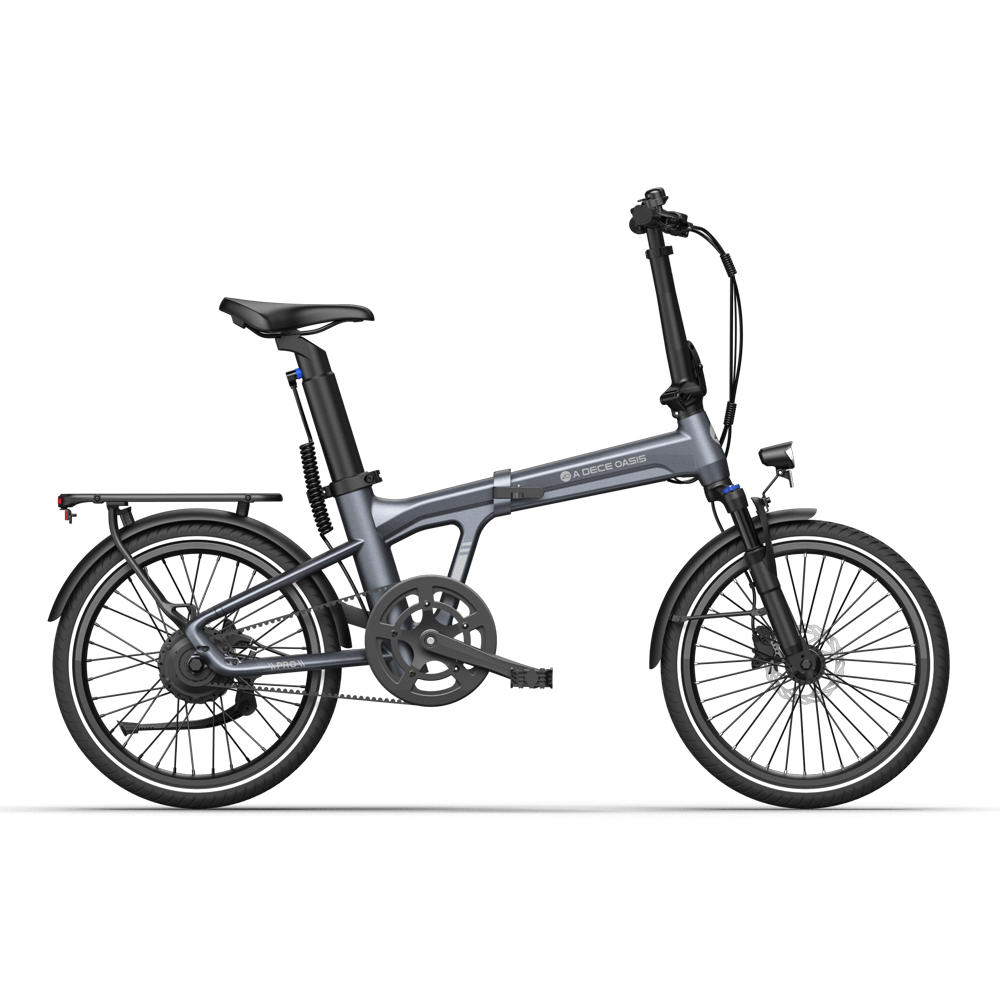




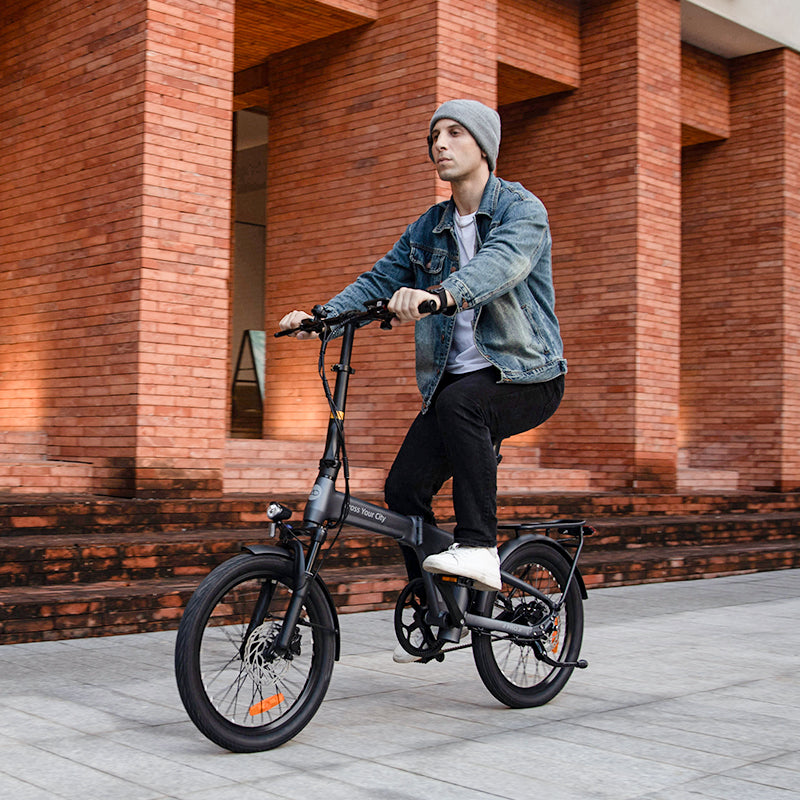


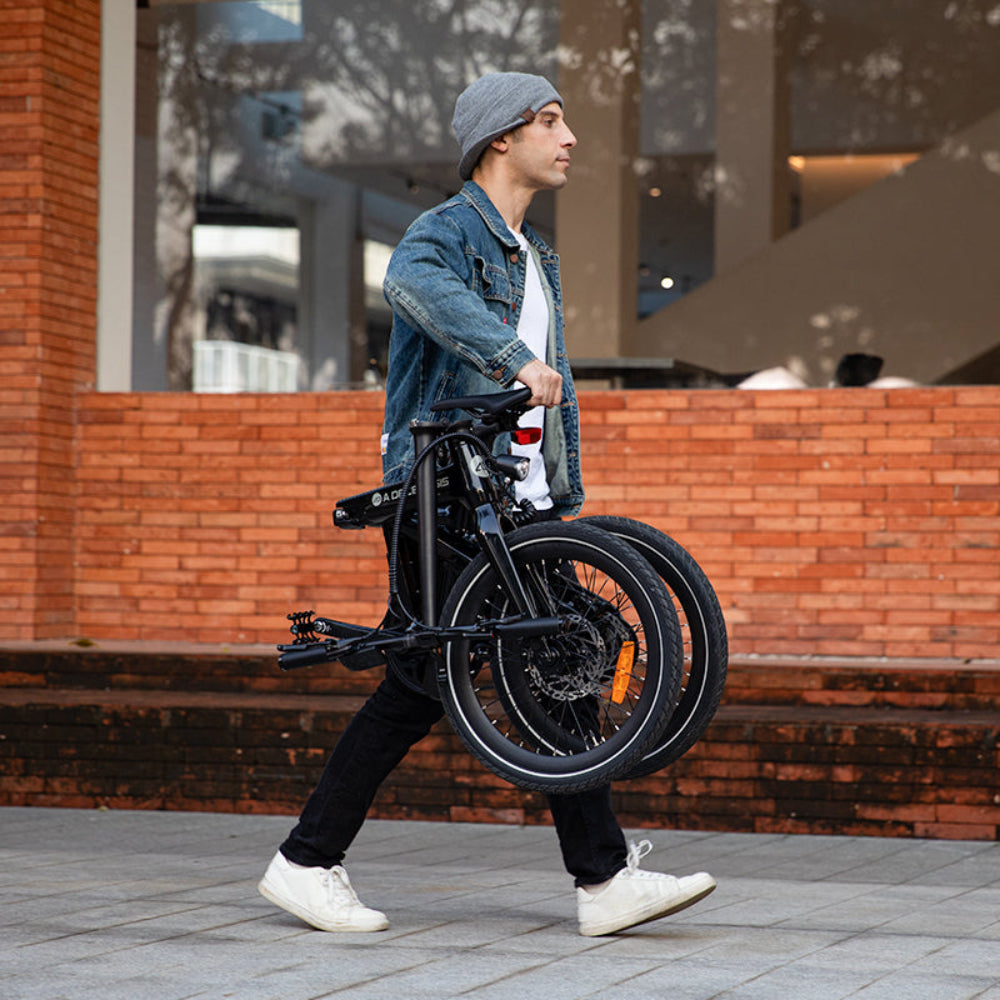
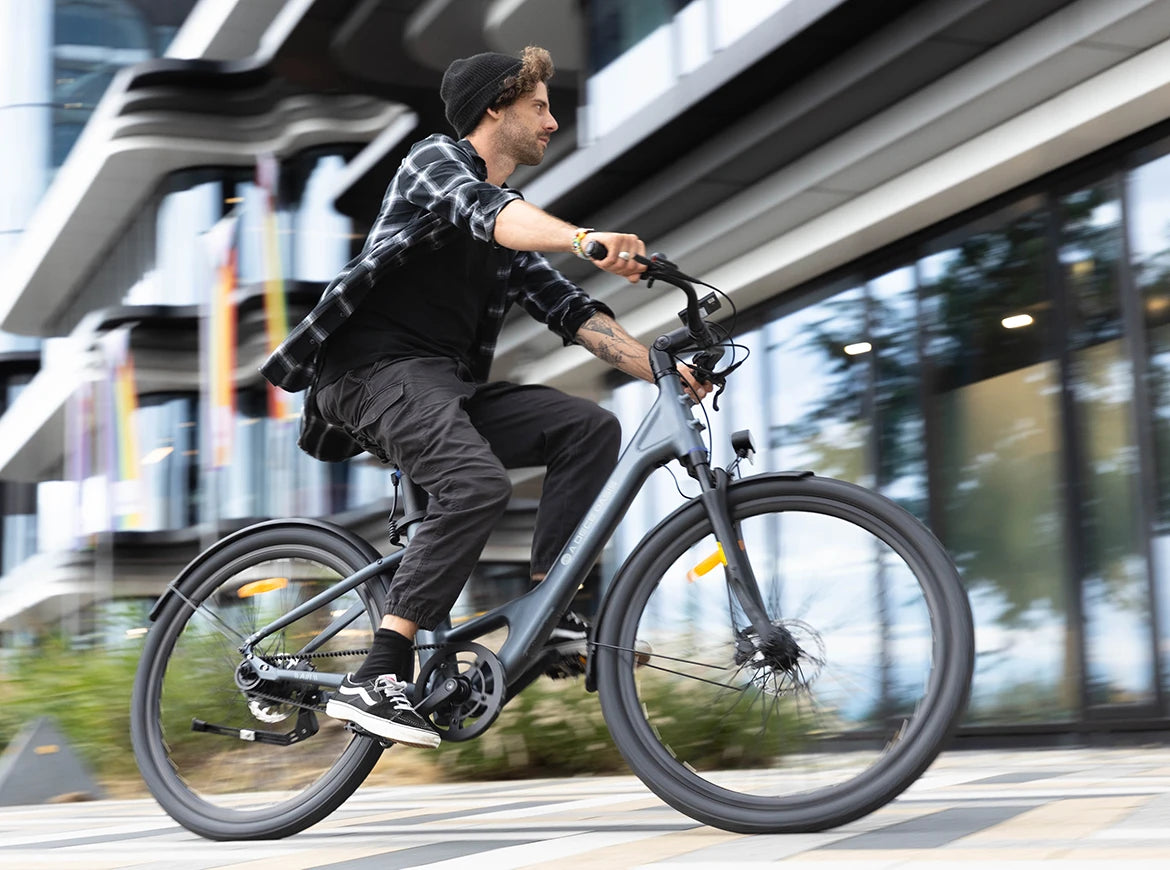
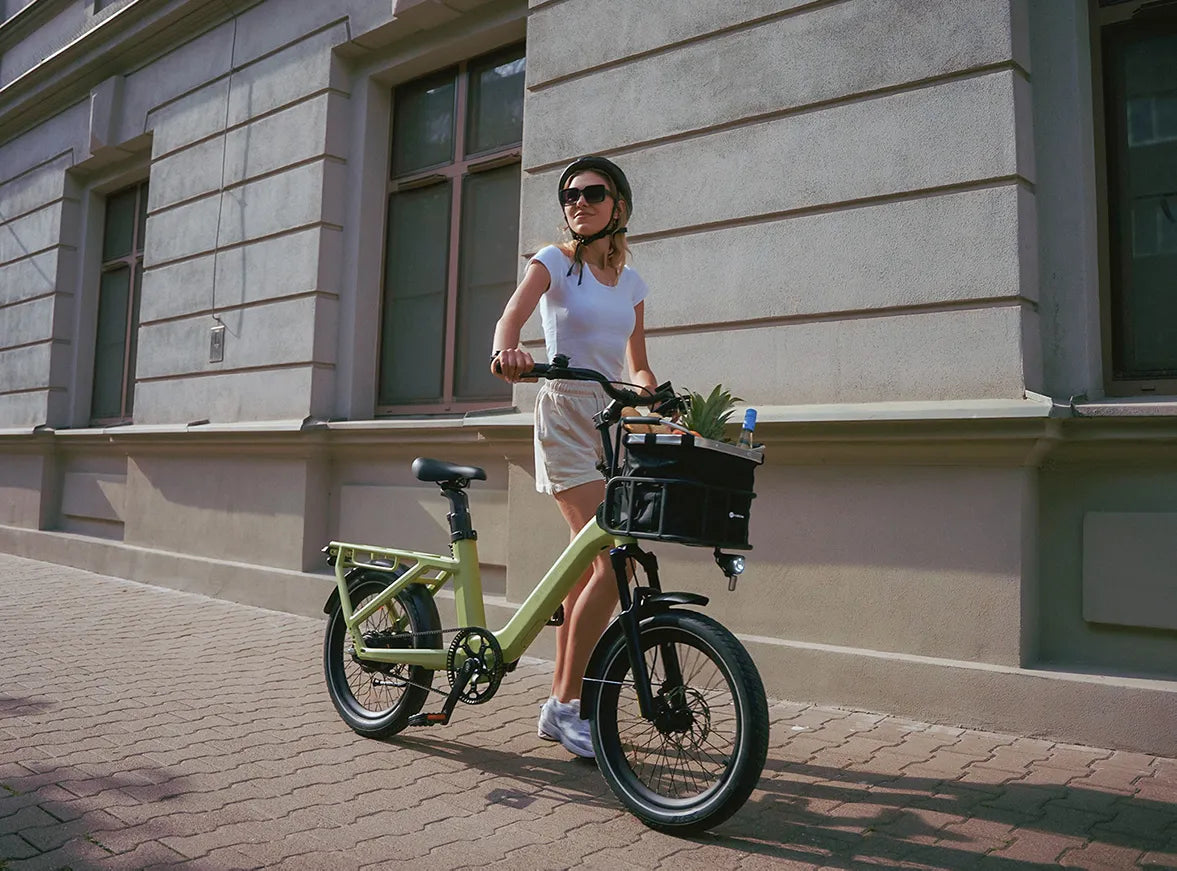


A folding electric bike with suspension can make riding more comfortable on potholes, broken tarmac and uneven cycle paths, but more suspension does not always mean a better bike. It can also add weight, cost and complexity, which matters when you need to fold, carry or store your bike. The right choice depends on your typical UK roads, how portable the bike needs to be, and the level of comfort you expect.
Do You Really Need Suspension on a Folding E-Bike?
Not every folding e-bike needs suspension. If you’re commuting on smooth roads, a rigid fork gives you a lighter, simpler, easier-to-carry bike. Suspension earns its keep when your regular route has potholes, uneven cycle paths, broken tarmac, or rough surfaces—it soaks up vibration and makes the ride more comfortable.
For leisure riding, comfort is the priority, so suspension makes sense. But if you’re often carrying the bike up stairs, onto trains, or into a car, that extra weight becomes a hassle. Bottom line: pick suspension when your roads truly demand it; pick a rigid fork when light and portable matters more.

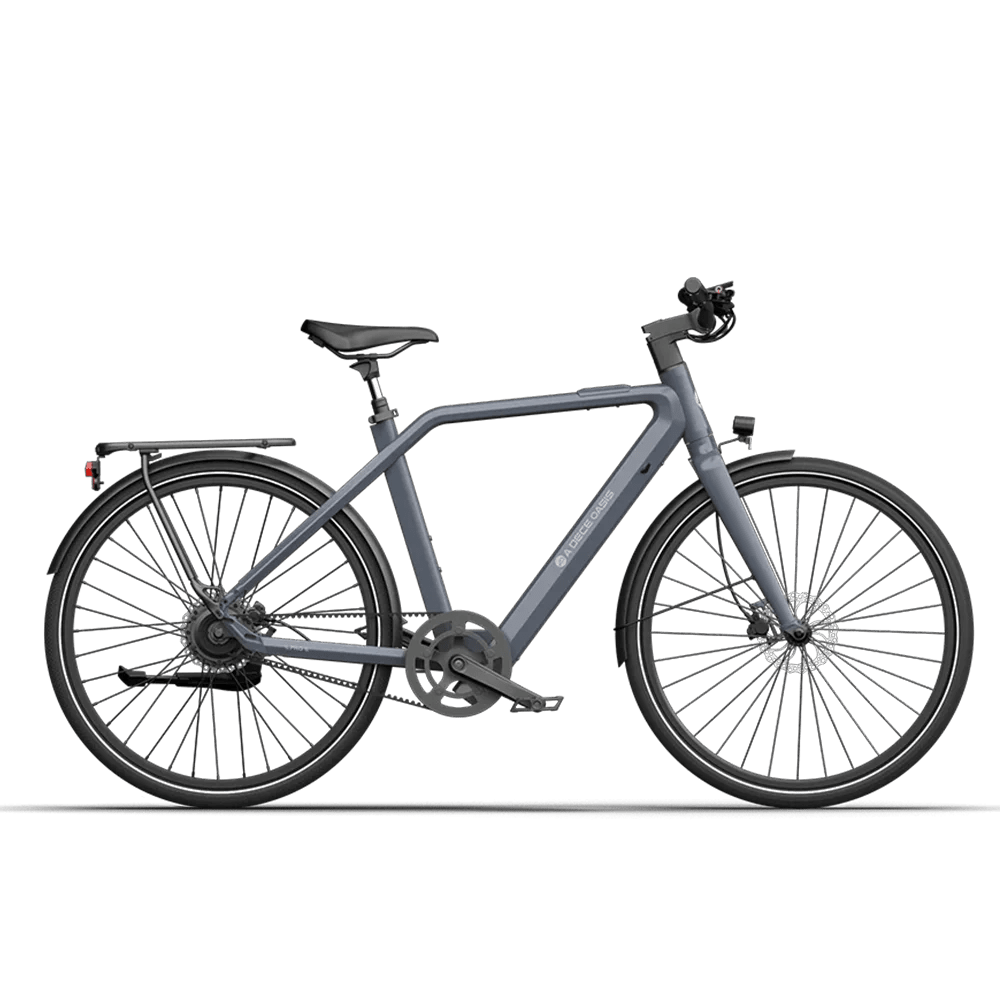
The weight difference can be significant. The ADO Air 20 Ultra weighs 22kg including standard accessories and uses an aluminium lock-out suspension fork, while the ADO Air Carbon weighs just 15.9kg and uses a carbon-fibre fork. That is a difference of around 6.1kg, or roughly 38% of the Air Carbon’s weight. The difference is not caused by the fork alone because the two bikes use different frames, drivetrains and components, but it clearly shows the portability trade-off between a comfort-oriented aluminium folding e-bike and an ultra-light carbon model.
A folding e-bike is not necessarily more expensive just because it has suspension. In ADO’s UK range, the Air 20 Ultra and Air Carbon are both priced at £1,799, yet the Air 20 Ultra has an aluminium lock-out suspension fork while the Air Carbon has a rigid carbon-fibre fork. This shows that a complete e-bike’s price depends on much more than the fork, including the frame, motor, drivetrain and braking system.
For reference, aftermarket 20-inch suspension forks for folding bikes in the UK typically cost around £60–£110. Standard suspension options are about £60–£80, air-suspension versions about £95–£110, and higher-spec or specialist 20-inch forks about £140–£240 or more.
| Factor | With suspension | Without suspension |
|---|---|---|
| Ride comfort | Better on potholes and uneven surfaces | More vibration reaches the rider |
| Weight | Usually higher | Usually lower |
| Folded portability | Can be less convenient | Generally simpler and easier to handle |
| Price | Often higher, especially with adjustable forks | Usually cheaper |
| Maintenance | More moving parts and potential servicing | Simpler, fewer suspension components |
| Handling | More forgiving on rough surfaces | More direct and responsive on smooth roads |
Think About UK Roads Before Choosing Suspension
We have categorized the routes commonly ridden by most UK cycling clubs and indicated whether suspension is required. You can make your choice based on your specific riding conditions.
| UK riding conditions | Typical surface | Suspension priority | What to choose |
|---|---|---|---|
| Smooth city roads | Good tarmac, well-maintained cycle lanes | Low | Rigid fork is usually sufficient |
| Everyday urban commuting | Occasional potholes, patched tarmac, uneven surfaces | Medium | Front suspension offers a good comfort/weight balance |
| Pothole-heavy routes | Broken tarmac, road defects, raised or uneven sections | High | Front suspension is worth prioritising |
| Cobblestones & rough cycle paths | Repeated small impacts and vibration | High | Front suspension + wider pneumatic tyres |
| Gravel paths & canal towpaths | Hard-packed gravel, loose surfaces, uneven sections | Medium–High | Front suspension can improve comfort and control |
| Regularly rough or off-road terrain | Larger bumps, rough tracks and sustained uneven surfaces | High | Consider full suspension, accepting the extra weight and complexity |
Front Suspension vs Full Suspension: Which One Do You Need?
Most UK folding e-bike commuters choose between front suspension or a rigid rear. Full suspension is niche — the rear shock adds weight, cost and makes the frame more complicated.
Take these two 20-inch folding e-bikes: the ADO Air 20 Ultra has a lock-out front fork, but the ENGWE Engine Pro 3.0 Boost has suspension at both ends.
| Specification | ADO Air 20 Ultra | ENGWE Engine Pro 3.0 Boost |
|---|---|---|
| Suspension | Front lock-out suspension fork | Full suspension |
| Front suspension travel | Not specified by ADO | 50mm |
| Rear suspension | No | 62mm |
| Bike weight | 22kg | 34.7kg |
| Folded dimensions | 88.5 × 51 × 67cm | 97 × 53 × 81cm |
| Motor | BAFANG H730, 250W | Hub motor, 250W |
| Max torque | 50Nm | 90Nm |
| Sensor | Dual-sided torque sensor | Torque sensor |
| Battery | 37V 10Ah (370Wh) | 48V 15Ah (720Wh) |
| Tyres | 20 × 2.0" | 20 × 4.0" |
| Brakes | TEKTRO hydraulic disc brakes | Hydraulic dual-piston disc brakes, 180mm rotors |
| Drivetrain | 3-speed automatic | Shimano 7-speed |
| Drive system | Carbon belt drive | Chain drive |
| UK price | £1,799 | £1,699 |
So pick based on your riding style. Front suspension is well-balanced for UK commuting: it handles potholes and rough tarmac while keeping the bike easy to fold and carry.
Full suspension suits regular off-road or gravel routes. You’ll get more control and comfort, but the bike will be noticeably heavier and bulkier.
Your tyres form part of the suspension.
Suspension isn’t the only factor for comfort. Tyres work with suspension to absorb bumps, and the right tyres change how your folding e-bike rides. Wider high-volume pneumatic tyres give more cushion than narrow ones. Correct pressure lets the tyre flex over uneven surfaces, instead of sending every bump to the rider.
A 20 × 2.0-inch tyre is a solid all-rounder for urban commuting: efficient, comfortable and portable. Much wider 20 × 4.0 fat tyres offer better cushioning and stability on gravel, but add weight and rolling resistance.
Pressure is key. Over-inflated tyres feel harsh. Under-inflated ones create more drag and risk damage.
When comparing folding e-bikes, look at wheel size, tyre width and recommended pressure alongside suspension. Don’t only judge comfort by the suspension.
Checklist
Use this checklist to make sure the folding e-bike you choose matches your roads, riding style and portability needs.
- 01 What roads do I ride?
- 02 Do I actually need suspension?
- 03 Front or full suspension?
- 04 What is the suspension quality?
- 05 What tyre size and width do I need?
- 06 What is the real riding weight?
- 07 What is the folded size?
- 08 How easy is it to carry?
- 09 Are the brakes suitable?
- 10 Does it meet UK e-bike requirements?


Leave a comment
Please note, comments need to be approved before they are published.