












Introduction
Cycle lanes, cycle tracks, shared-use paths and advanced stop lines are now common across UK towns and cities. Yet their rules remain unclear to many e-bike riders.
This guide focuses on the questions e-bike riders are most likely to face, from choosing the right bike lane to understanding advisory lanes, contra-flow signs and ASL bike boxes.
1. E-Bike Legal Classification
Is Your E-Bike an EAPC?
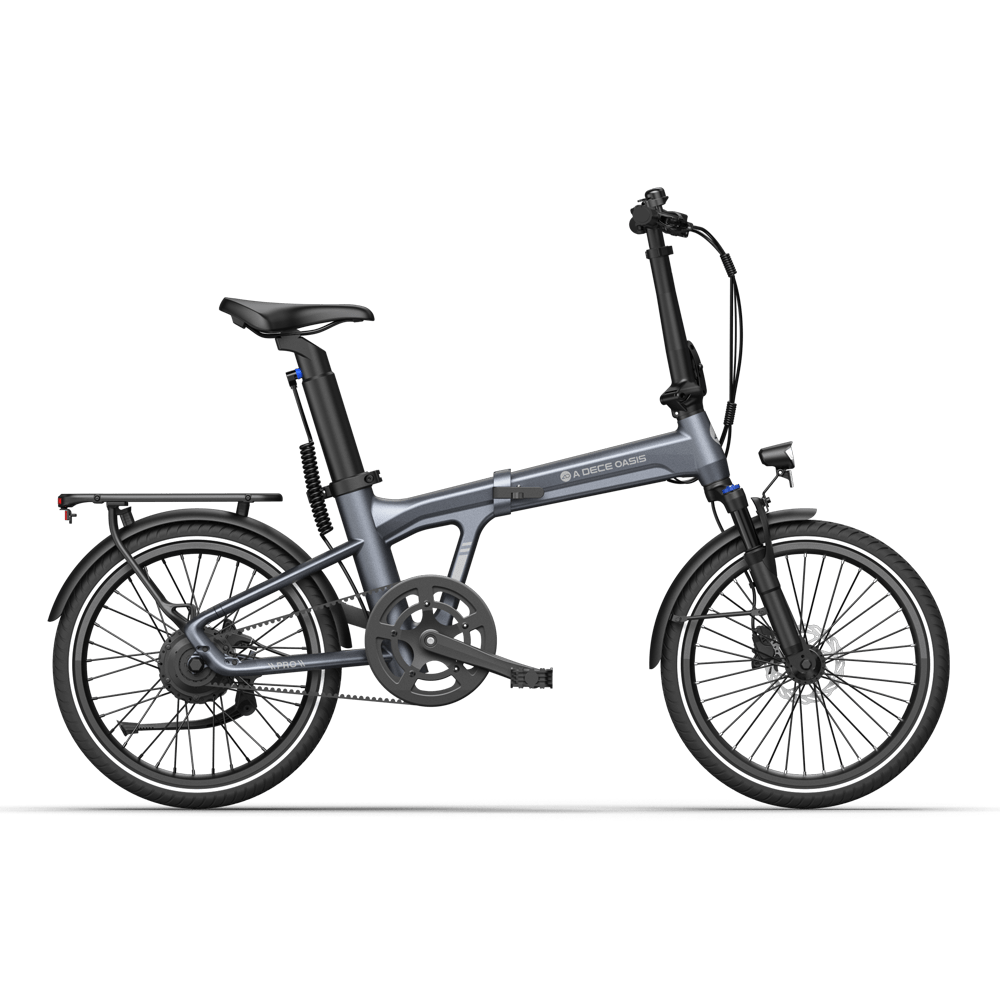
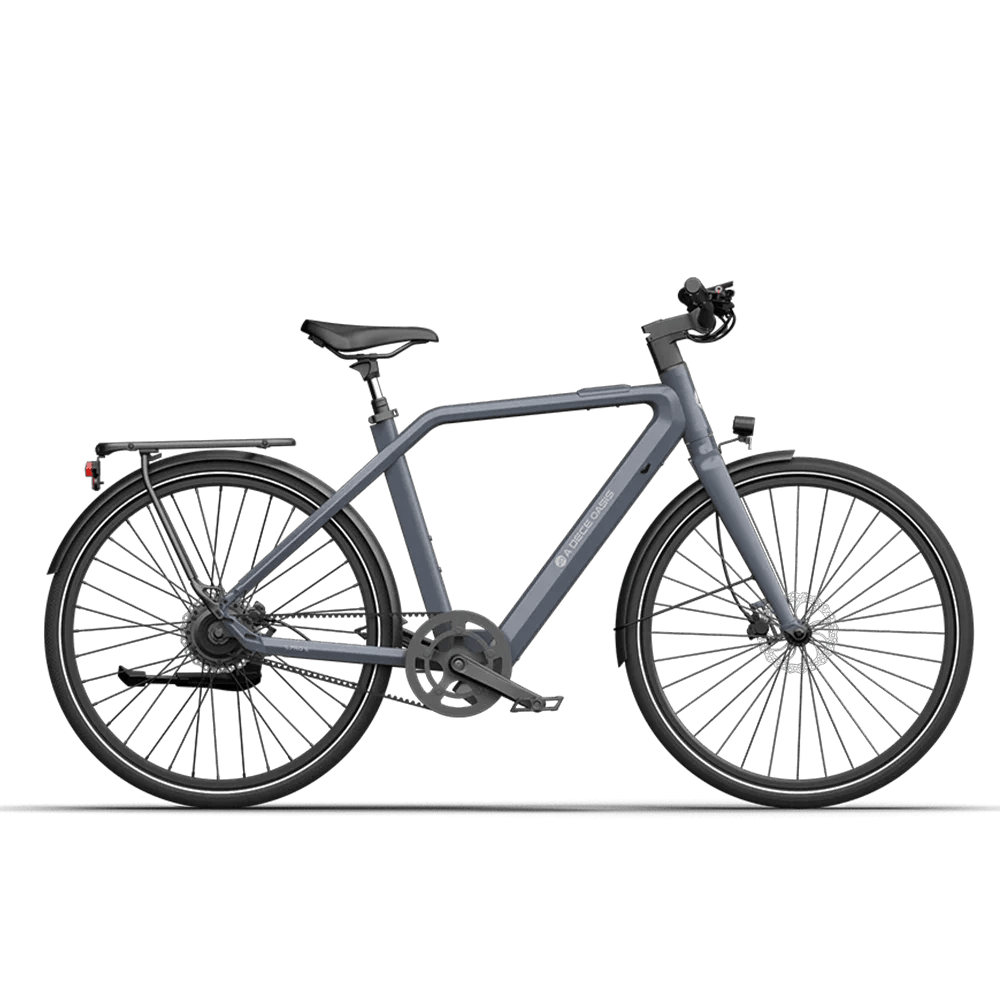
In Great Britain, a compliant EAPC is treated as a pedal cycle under the relevant road traffic rules, so it can generally use facilities where pedal cycles are permitted.
Facilities available to an EAPC
An EAPC may be ridden where pedal cycles are permitted, including:
- mandatory and advisory bike lanes on the carriageway;
- cycle tracks and other routes where pedal cycles are permitted;
- shared-use paths where pedal cycles are permitted.
An EAPC may not normally be ridden on an ordinary pavement unless the route is specifically designated for cycle use or shared use.
Practical guidance: confirm the legal status of your bicycle and check the manufacturer's specifications where necessary.
2. Bike Lane Sign Meanings
Some signs permit actions that may otherwise appear unlawful.
Contra-Flow Lanes
Cycling against the flow on some one-way streets is lawful where the signs and road markings for the particular road permit it.
The "No Entry Except Cycles" sign allows pedal cycles to enter a road where general traffic is prohibited by a No Entry restriction. Where it provides a cycle contraflow on a one-way street, cyclists may enter from the direction prohibited to other traffic.
The mandatory contra-flow cycle lane sign can indicate a cycle lane operating against the general direction of traffic. Department for Transport guidance also recognises contra-flow arrangements where cycles can travel against the one-way flow without a marked cycle lane.
Verification for the rider: cycling against traffic is lawful where the signs or road markings provide for contra-flow cycling. A plain red "No Entry" sign without a cycle exception prohibits entry. Where there is any doubt, check the sign and road markings.
Within a contra-flow lane, maximise visibility, reduce speed at side roads and anticipate vehicles turning in and out.

Shared Bus Lanes
A shared bus lane can be identified by a traffic sign showing the permitted vehicle classes, which may include both a bus and a bicycle. Where cycles are included, the lane is available to cyclists subject to stated restrictions and operating times.
- buses are larger and may have limited visibility; avoid passing on the inside, particularly when stopping;
- when a bus signals to move off, give way where required and allow it sufficient space;
- anticipate taxis, motorcycles and other permitted vehicles where the sign includes them;
- maintain a steady, predictable line.
A shared bus lane can be a city-centre route; remain alert to stopping and pulling-away buses.

Other Signs and Markings
- Coloured surfacing, including green or red, does not by itself determine the legal status of a cycle facility. Relevant signs and road markings determine the applicable restrictions.
- A time plate beneath a lane sign specifies the hours during which the restriction applies. Outside those hours, the specific time-based restriction does not apply, although other restrictions or road markings may remain in force. Do not automatically describe it as an "advisory lane" outside those hours.
3. Advisory Bike Lanes
The Highway Code states that drivers should not drive or park in a cycle lane marked with a broken white line unless it is unavoidable. Vehicles may therefore need to enter an advisory lane to avoid an obstruction or where other road conditions make this unavoidable.
An advisory lane is not a physically protected facility; motor vehicles may enter it in circumstances permitted by the rules.
Common Mistakes
Error one: riding close to the kerb. Positioning as far left as possible can create hazards including close passes, parked-car door zones, drains, debris and uneven surfaces.
Error two: relying on the markings. A dashed line does not provide physical protection, so riders should remain aware of traffic.
Riding in the Primary Position
Riding in the primary position means positioning yourself more centrally within the traffic lane rather than immediately next to the kerb. It can improve visibility, maintain a predictable road position and keep riders clear of parked-car door zones.
Riding in the primary position may be appropriate when the lane is too narrow to share safely, when parked vehicles create a door-zone risk, when approaching a junction, or where the road layout makes a more central position safer.
Riding within the cycle lane is appropriate when it is wide, clear and suitable for use. An advisory lane can provide a useful marked position for cycling.
Check over the shoulder, signal where appropriate, and move smoothly into the required position. Maintain a steady line and predictable speed.

4. ASL Bike Box
The Advanced Stop Line (ASL), or bike box, is the area between two stop lines at a signal-controlled junction. It enables cyclists to wait ahead of motor traffic when the signal is red.
How to Use an ASL
- Approach on the left or via the feeder lane where one is provided as the signal turns red.
- Enter the box and stop at the second stop line, nearest the junction, when the traffic signal is red and the facility allows you to enter.
- Position yourself according to the road layout and intended direction.
- When the signal turns green, depart in accordance with the signal and road layout.
The legal position: drivers must stop at the first stop line when the signal is red. Cyclists may enter the marked area between the two stop lines, but must not cross the second stop line while the red signal applies. The ASL provides a forward waiting position for cyclists.

When the Box Is Occupied
If a driver occupies the box, the appropriate response is:
- Do not weave between vehicles to reach the front if doing so would create a collision risk.
- Stop behind the first line, or behind the queue, and wait for a safe opportunity to continue.
- Where no safe route into the box exists, do not force a gap. A red signal requires the rider to stop; the box is a facility, not an obligation.
- On an e-bike, brake early rather than accelerating past a queue to reach an occupied box.
Where it is unavailable or occupied, prioritise safe and predictable positioning.
5. Quick Reference
| Facility | Identification | Meaning for the Rider | Recommended Action |
|---|---|---|---|
| Mandatory bike lane | Solid white line; relevant cycle sign | Motor vehicles must not enter during operating hours, subject to the applicable rules | Ride within it where appropriate |
| Advisory bike lane | Dashed white line | Other vehicles should not use it unless it is unavoidable | Anticipate vehicles; adjust position if needed |
| Contra-flow lane | Relevant cycle sign and/or road markings | Cycling against the general flow is permitted where specifically provided | Check signs and road markings |
| Shared bus lane | Bus and bicycle symbols on the relevant sign | Cycles may use the lane where the sign permits it | Check operating times; remain alert to buses |
| ASL bike box | Area between two stop lines at traffic lights | Provides a forward waiting position for cyclists | Enter when permitted; stop at the correct line |
| Shared-use path | Relevant cycle and pedestrian signs | Cycling is permitted where the route is designated for shared use | Reduce speed and give pedestrians sufficient space |
| Pavement (unsigned) | Ordinary footway | Cycling is generally not permitted | Dismount or use a signed cycle route |
Conclusion
A compliant EAPC can use cycle lanes, cycle tracks and designated shared-use paths, but not ordinary pavements. Understand the difference between advisory and mandatory lanes, read the relevant signs and markings, and use a safe, predictable road position when conditions change. At junctions, use the bike box when permitted and stop at the correct line.
For everyday e-bike riding, the essentials are simple: know your bike, read the road, understand the signs, and ride predictably.


Leave a comment
Please note, comments need to be approved before they are published.