










Introduction
The best way to reduce e-bike theft is to use several layers of protection: a high-security lock, secure parking, component security, tracking, registration and insurance. If your e-bike is stolen, report it to the police, keep the crime reference number, activate GPS tracking if available, and contact your insurer.
E-bike theft remains a significant concern across the UK. The latest official Crime Survey for England and Wales (CSEW) data, covering the year ending March 2025, continue to track bicycle theft as a distinct property crime, while police data show that 86% of reported bike theft cases went unsolved in England and Wales during the same period.
 *Source: Crime Survey for England and Wales (CSEW), year ending March 2025 — latest official data available.
E-bikes also require more protection than conventional bicycles. Their higher purchase value makes them more attractive targets, while removable batteries and other components can be stolen separately. Connected features such as GPS tracking, electronic locks and smart alarms create additional security opportunities, but also require appropriate protection.
This guide covers the key steps to reduce e-bike theft, including choosing the right anti-theft lock, using GPS tracking and alarms, registering and security-marking your bike, reporting theft, improving recovery chances, and understanding e-bike insurance.
How to Prevent E-Bike Theft
Preventing e-bike theft requires more than simply buying a strong lock. A reliable security setup combines physical protection, secure parking, component security, alarms, tracking and registration.
Choose the Right Anti-Theft Bike Lock
This is the most basic anti-theft measure.

- D-locks or U-locks provide strong physical resistance and are well suited to everyday urban use.
- Cable locks offer greater flexibility and can be useful for securing larger frames to fixed objects.
- Folding locks provide a practical balance between security and portability. When comparing locks, look beyond the manufacturer’s own security claims and check independent ratings.
In the UK, Sold Secure ratings are particularly useful. Sold Secure rates products from Bronze and Silver through Gold to Diamond, with Diamond providing the highest level of resistance. For high-value e-bikes or high-risk locations, a Gold or Diamond-rated product may be more appropriate.
You should also check whether your insurer specifies a minimum lock rating. Police Preferred Specification, awarded through Secured by Design, is another useful indicator that a security product has met recognised police-backed requirements.
Choose a Secure Place to Park Your E-Bike
Park your e-bike in well-lit, busy areas with recognised cycle parking and, where possible, CCTV coverage. Avoid isolated or obstructed locations and weak or movable structures that could be easily attacked.
At home, store your e-bike indoors or in a secure garage or shed. For long-term storage, consider combining a properly installed ground anchor with a high-security lock for added protection.
Secure the Battery and Removable Components
Removable batteries and other high-value components can be attractive targets for thieves. If your e-bike has a removable battery, consider taking it with you when parking in higher-risk areas, or secure it using the bike’s built-in locking mechanism.
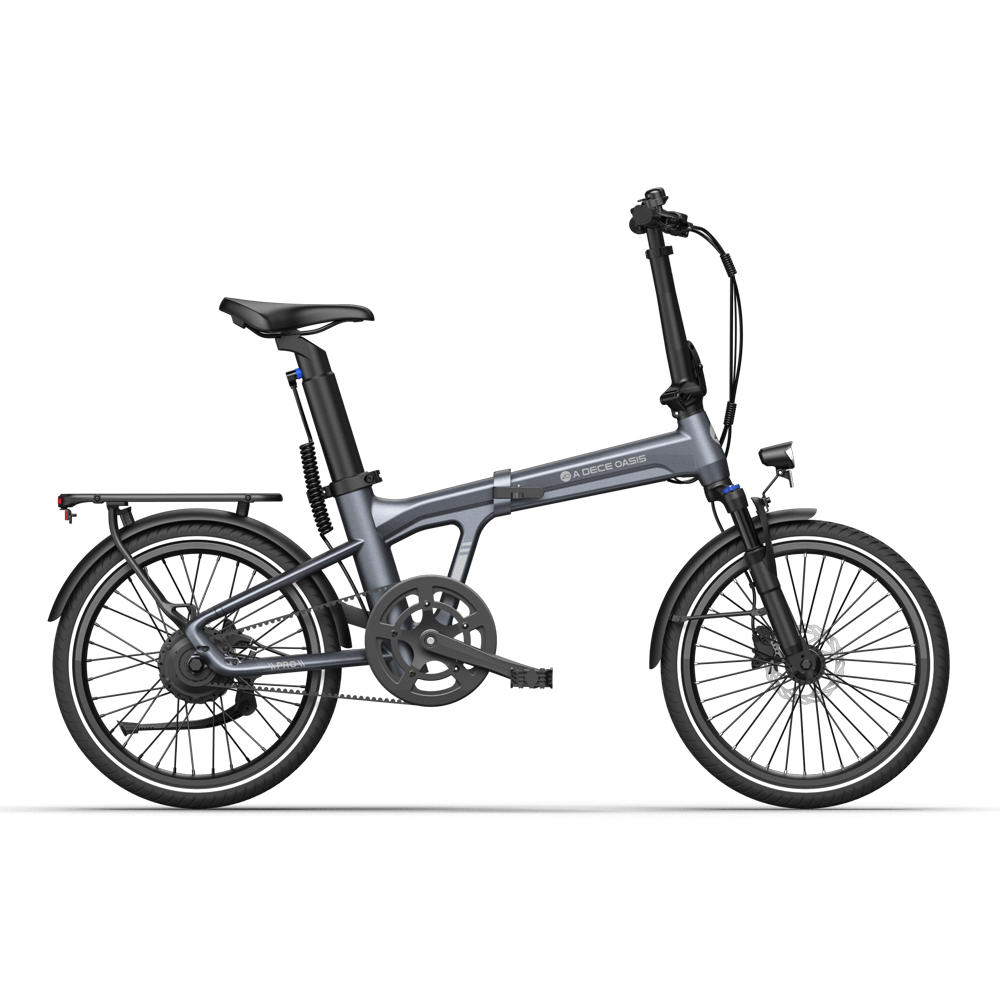
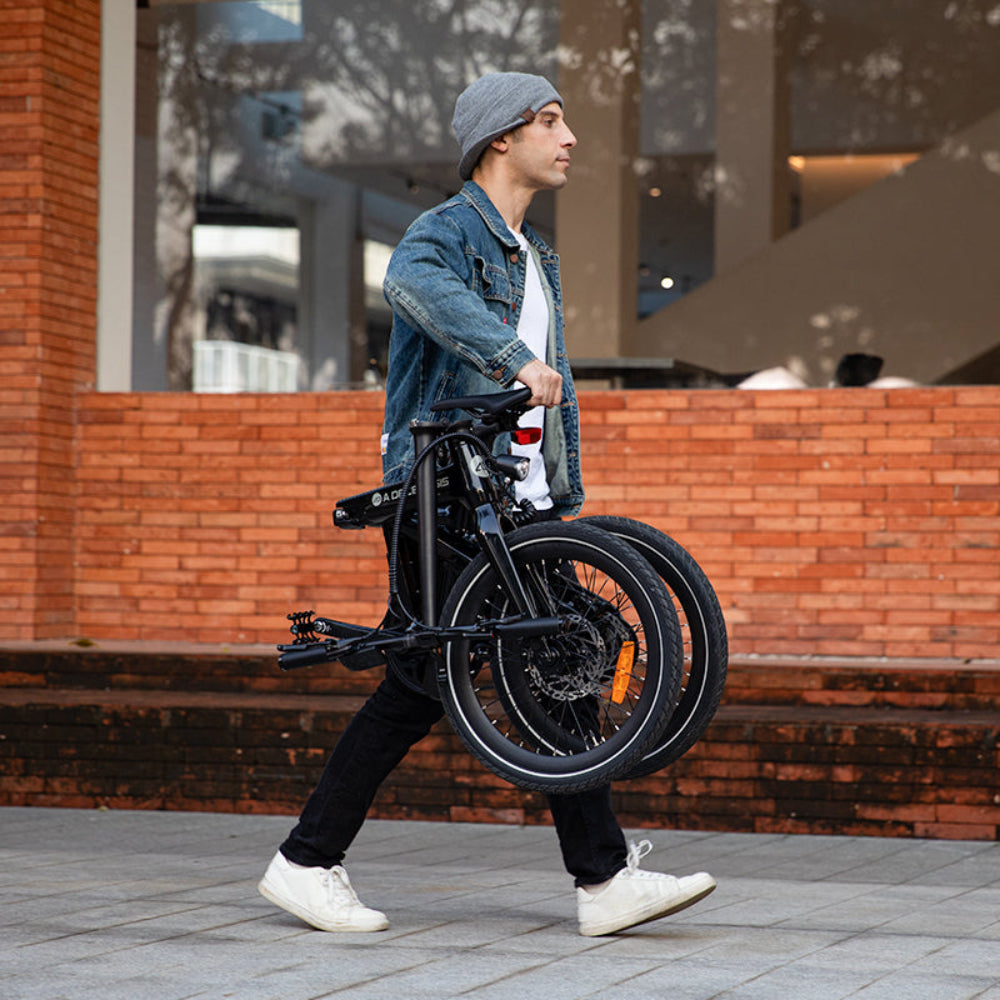
Some e-bikes use alternative battery designs to reduce this risk. For example, ADO folding e-bikes use a seatpost-integrated battery with a battery lock, helping keep the battery securely in place while adding another layer of protection against unauthorised removal.
Register Your E-Bike and Keep Its Details
Register your e-bike and keep a record of its frame or serial number, purchase receipt, photos and identifying details. In the UK, services such as BikeRegister allow owners to register and security-mark their bikes, helping police identify recovered bicycles and return them to their owners.
What to Do If Your E-Bike Is Stolen
If your e-bike has been stolen, acting quickly can improve your chances of recovering it and making a successful insurance claim.
The steps below walk you through what to do, from confirming the theft and reporting it to the police to tracking your bike and keeping your insurer updated.

Can GPS Help Recover a Stolen E-Bike
GPS tracking can help locate a stolen e-bike. A connected tracker can send the bike’s location to your smartphone or app, allowing you to monitor its movements after theft.
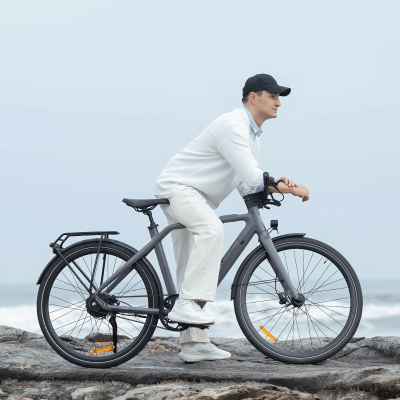
If your e-bike has built-in GPS, such as the ADO Air Carbon Pro, you can use the ADO App to access its anti-theft GPS and smart connectivity features.
GPS does not guarantee recovery, but live location data can give the police useful evidence and help identify where the bike has been taken. Do not confront suspected thieves or attempt to recover the bike yourself. If the tracker shows a live location, report it to the police and provide the tracking information.
Does Insurance Cover E-Bike Theft
E-bike theft can be covered by both specialist cycle insurance and, in some cases, home insurance.
For example, Bikmo currently offers dedicated e-bike cover with a 25% e-bike discount, while its sample price for a £2,000 e-bike is around £9.26 per month under its PLUS policy. These are only example prices. Your premium can change based on the bike’s value, postcode and selected cover.
Home insurance may also cover an e-bike as part of contents insurance, but coverage can be more limited, particularly when the bike is stolen away from home.
The key point is to check whether your policy covers theft away from home, the full value of your e-bike and the security measures required for a valid claim.
How to Report a Stolen Bike
By phone
- Call 101 to report a stolen bike or e-bike.
-
Call 999 if the theft is happening now or there is an immediate emergency.
Useful links
- UK Police: https://www.police.uk/information-and-advice/reporting-crime/
- British Transport Police: https://www.btp.police.uk/ro/report/ocr/af/how-to-report-a-crime/
- MET on Twitter: https://twitter.com/metcc
- London cycling community: https://www.twitter.com/StolenRide
Conclusion
No single security measure can fully protect a high-value e-bike. The best approach is to combine a strong lock, secure parking, an alarm, GPS tracking, registration and insurance.
Preventing theft is easier than recovering a stolen bike, so choose your security measures based on where and how you use your e-bike.


Leave a comment
Please note, comments need to be approved before they are published.