












Understanding E-Bike Types in the UK
- In the UK, not all electric bikes are treated the same.
- The key category is EAPC (Electrically Assisted Pedal Cycles).
- EAPC-compliant e-bikes must:
- Have a motor power of no more than 250W
- Provide assistance only while pedaling
- Stop assisting at 15.5 mph (25 km/h)
- These are considered bicycles, not motor vehicles.
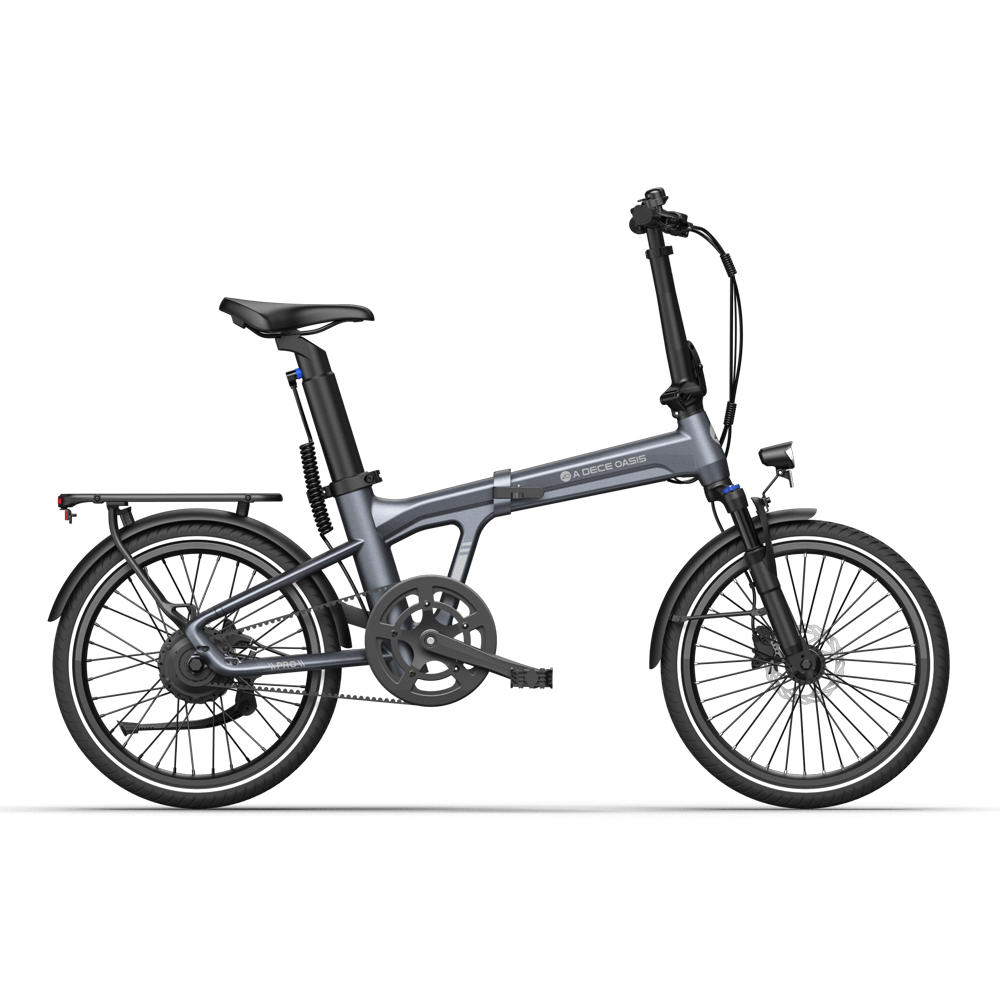
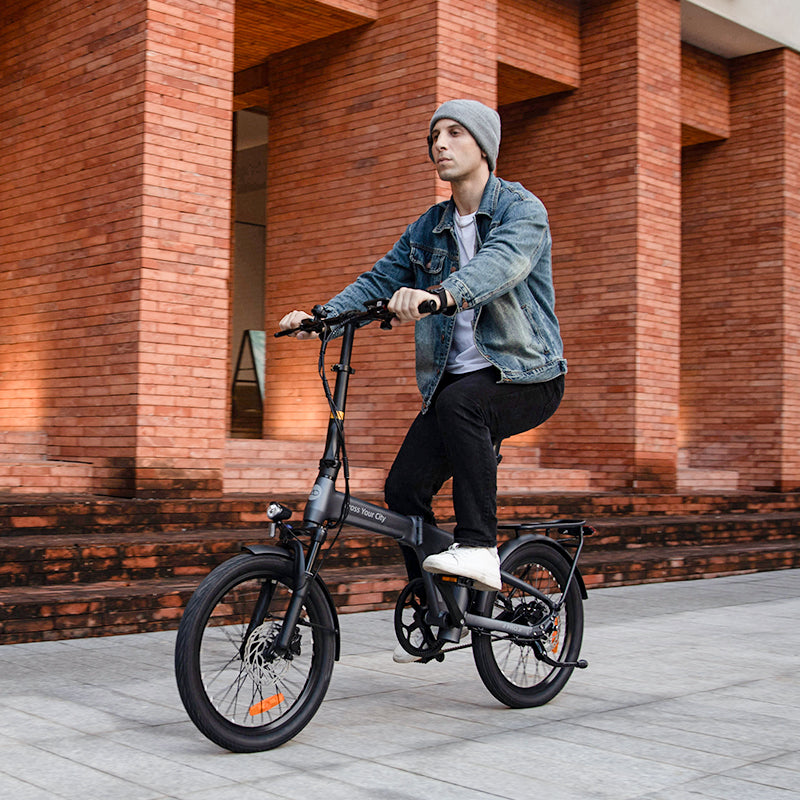
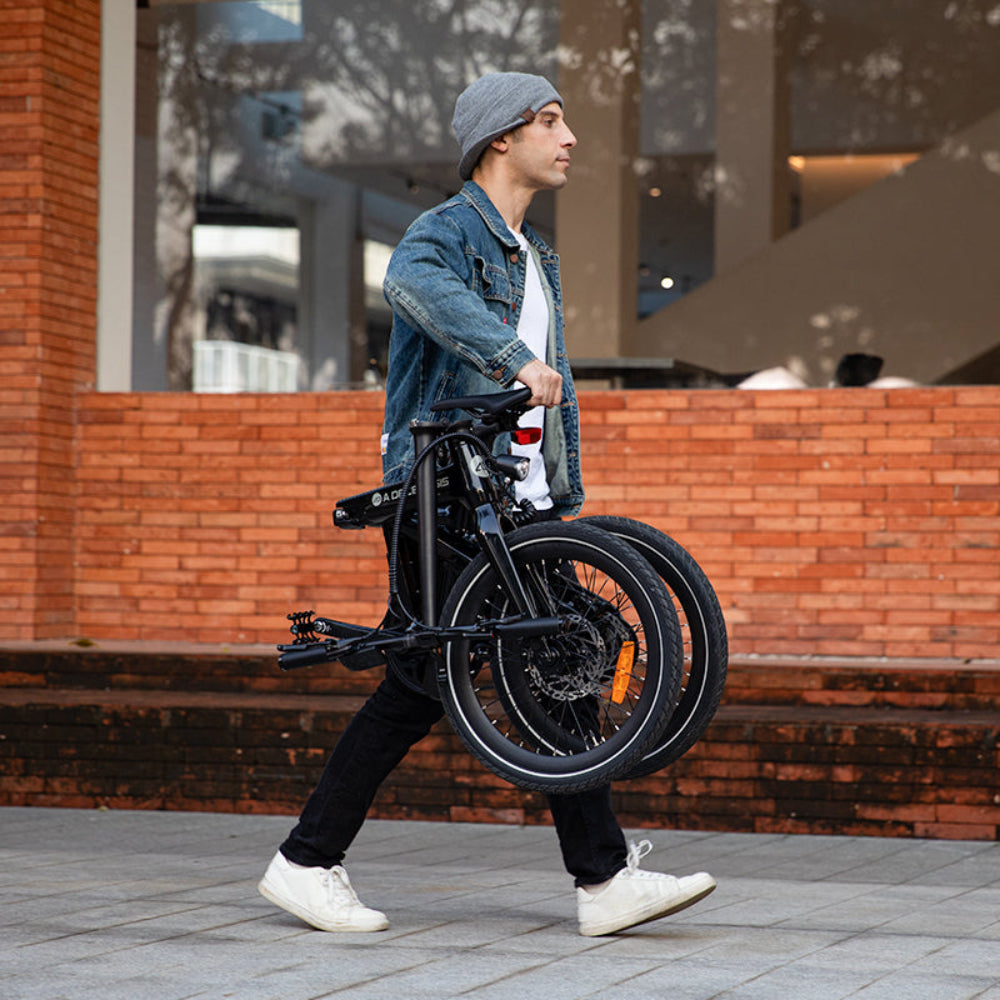
Many models marketed as the best folding e-bike for commuting fall into this category, making them practical for daily urban use.
Do You Need Insurance?
- If your e-bike qualifies as an EAPC:
- No insurance required
- No driving licence needed
- No vehicle tax
- No registration
- However, insurance is optional but recommended for:
- Theft protection
- Accidental damage cover
- Third-party liability
When Insurance Is Required
- Your e-bike is treated as a motor vehicle if it:
- Has a throttle that works without pedaling
- Exceeds 250W motor power
- Goes faster than 15.5 mph
- In this case, it becomes an electric moped, which requires:
- Insurance
- Licence
- Vehicle registration
Where ADO E-Bikes Fit In
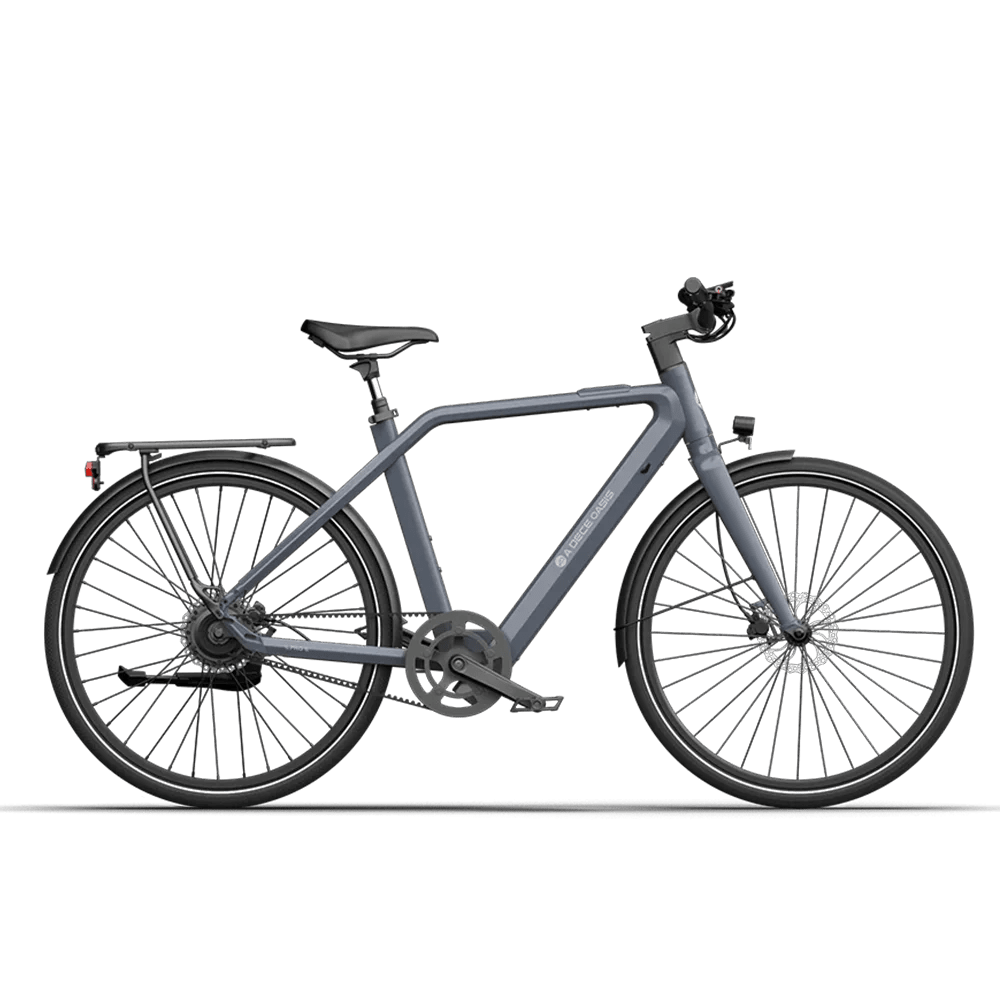
- ADO’s compliant models are designed to meet EAPC regulations.
- This means:
- No legal requirement for insurance
- No licence or tax needed
- For example, the ADO Air 20 Ultra 2026 folding E-Bike:
- Uses a BAFANG 3-speed automatic motor system
- Provides smooth assistance while staying within UK legal limits
- Designed for urban commuting and portability
This makes it a practical ebike in the UK for riders who want convenience without regulatory complexity.
Final Thoughts
- Insurance is not mandatory for most legal e-bikes in Britain.
- Choosing coverage depends on your usage and risk level.
- The most important step is ensuring your e-bike meets EAPC rules.
ADO Electric bikes


Leave a comment
Please note, comments need to be approved before they are published.