









Do UK E-Bikes Need an MOT in 2026?
As of 2026, there is no plan to introduce mandatory MOT testing requirements for standard e-bikes in the UK. Electrically Assisted Pedal Cycles (EAPCs) maintain their legal classification as regular bicycles rather than motor vehicles.
However, exemption from official MOT tests does not exempt riders from safety responsibilities. If you rely on your machine for daily commuting with electric bike routines, performing routine self-inspections is crucial to ensure roadworthiness and personal safety.
Brake System: Your First Safety Priority
Because e-bikes carry extra weight from the motor and battery, the braking system experiences much higher friction and faster wear, especially in stop-and-go urban traffic. Prioritize these regular checks:
- Brake Pads: Inspect pads frequently for thinning, uneven wear, or glaze buildup, replacing them before they wear down to the metal backing.
- Lines and Cables: Check mechanical cables for fraying and hydraulic lines for stiffness, kinks, or fluid leaks.
- Responsiveness: Conduct a quick low-speed brake test before joining traffic to ensure the stopping power feels firm, predictable, and instantaneous.
Tires and Wheels: Often Overlooked, Always Critical
Your tires are the only contact point between your e-bike and the road surface, heavily influencing grip, handling comfort, and motor efficiency:
- Pressure (PSI): Maintain your tire pressure within the manufacturer’s recommended range to maximize battery life and avoid pinch flats.
- Tread Condition: Regularly check the casing for embedded glass, debris, sidewall cracks, or bald patches.
- Wheel Trueness: Spin your wheels to ensure they run straight (true) and do not rub against the frame or brake calipers.
Riders operating a premium top smart e-bike in the UK frequently tackle wet, slick road conditions, making immaculate tire maintenance a top safety baseline.
Battery and Electrical Components
The lithium-ion battery package is the core investment of your electric bicycle. Protect its performance with a few basic care habits:
- Physical Damage: Periodically check the battery housing for cracks, impacts, or signs of water entry.
- Clean Connectors: Keep the metal power terminals clean, dry, and free of dirt to prevent short circuits.
- Smart Charging: Avoid plugging the battery into the charger immediately following an intensive ride; let the cells cool down to room temperature first.
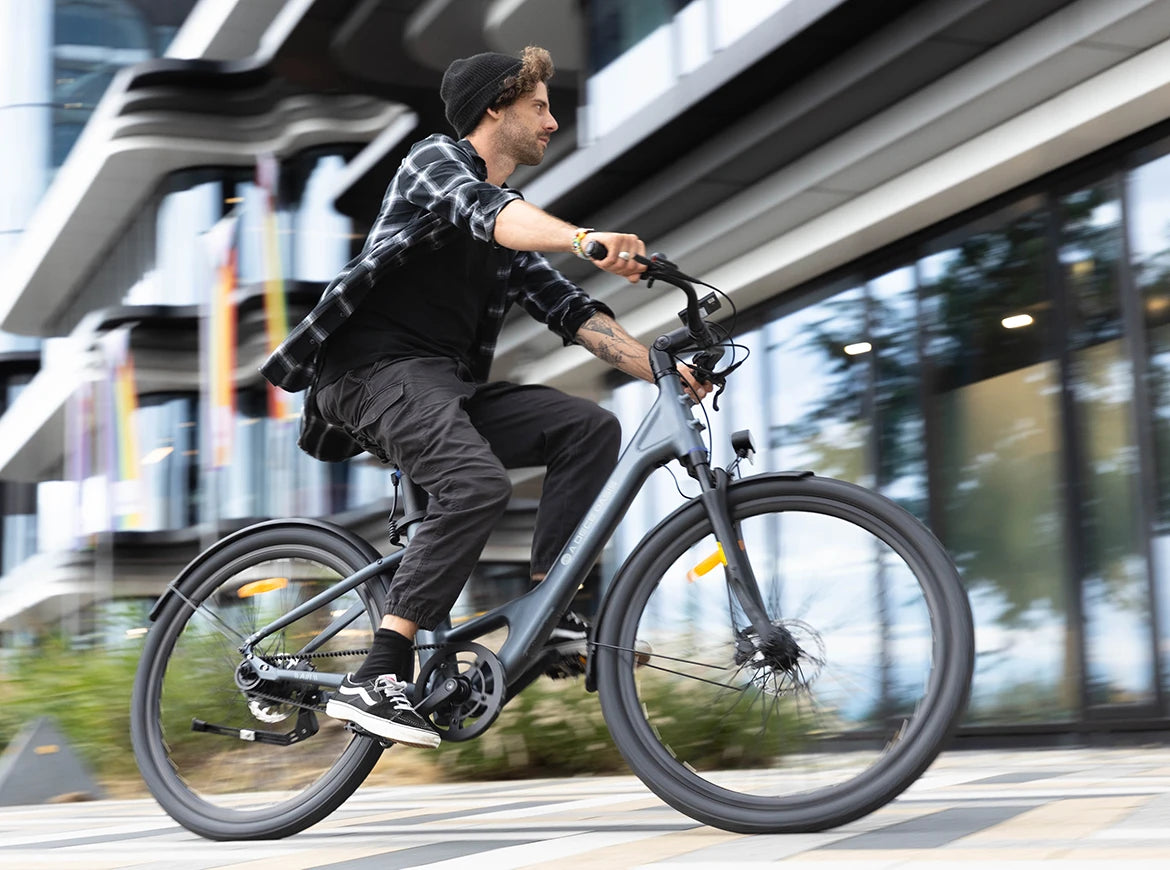
Urban all-rounder models like the reliable ADO Air 28 e-bike are built for heavy daily use, meaning consistent battery management plays a huge role in preserving long-term capacity.
Frame, Bolts, and General Fit
Over time, road vibrations from bumpy city streets can slowly loosen hardware. A quick weekly visual inspection can stop minor issues from turning into mechanical failures:
- Critical Fasteners: Verify that structural bolts on the handlebars, stem, saddle rail, and seatpost are tightly torqued.
- Structural Integrity: Wipe down your frame and check welded joints for any micro-fissures or hairline cracks.
- Ergonomics: Double-check your saddle height and handlebar angles to reduce fatigue and maintain proper riding posture.
Summary: These proactive checkups take less than five minutes but significantly reduce component wear, save money on professional workshop repairs, and keep your daily UK commute safe and legal.


Leave a comment
Please note, comments need to be approved before they are published.