















E-bike safety starts with understanding the battery technology behind your ride. This guide explains safe charging, certified batteries, and proper storage practices.
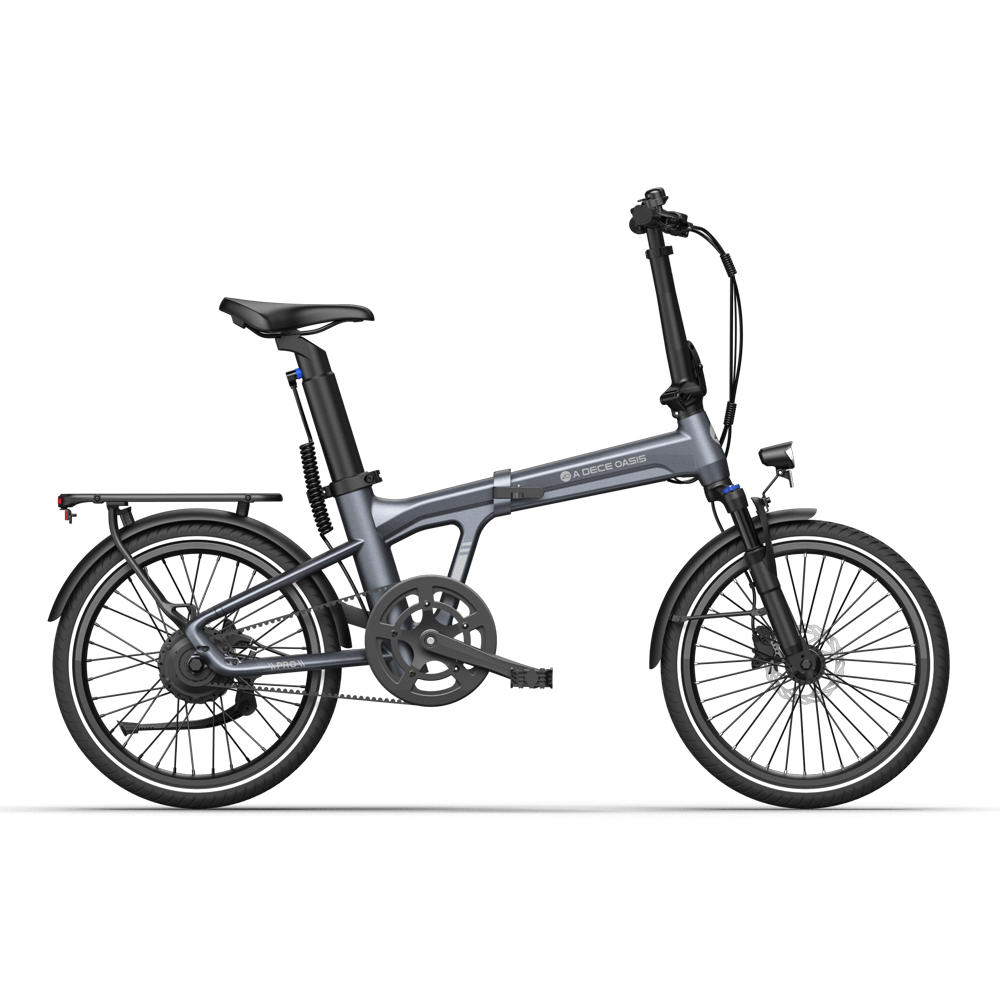
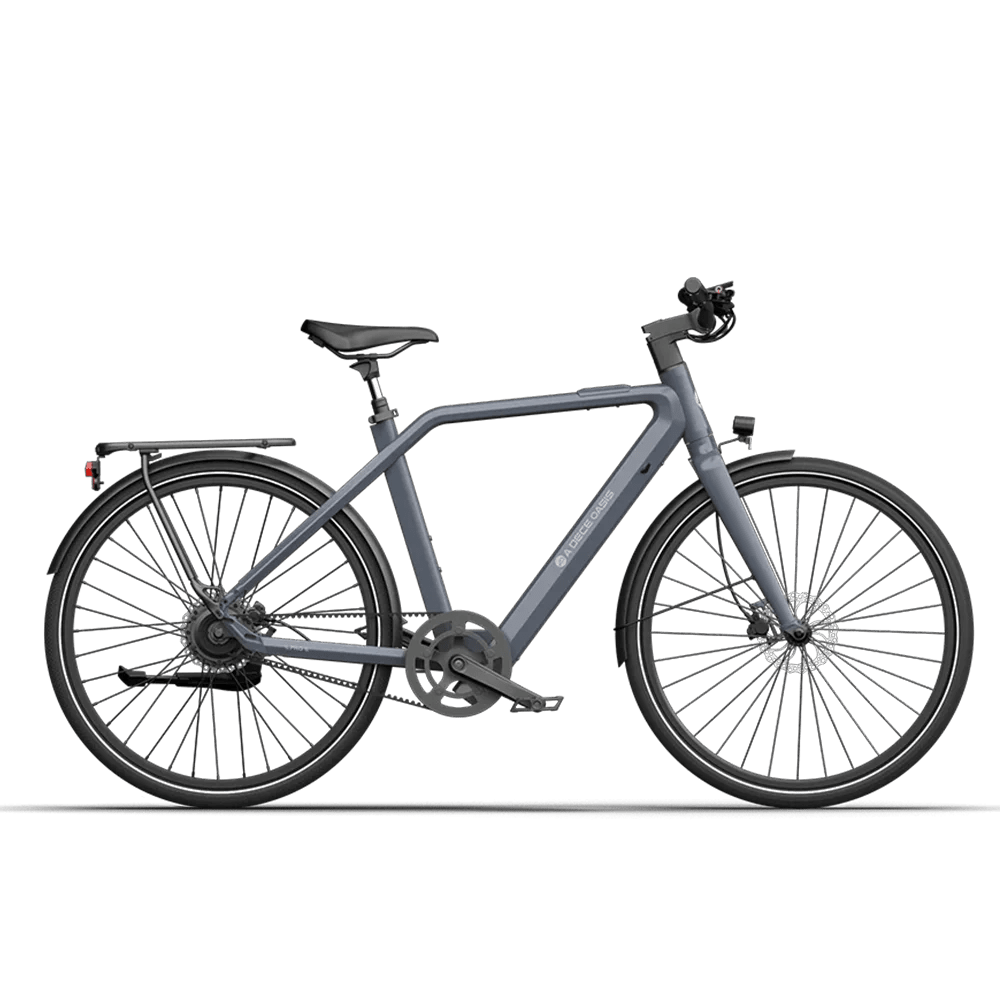
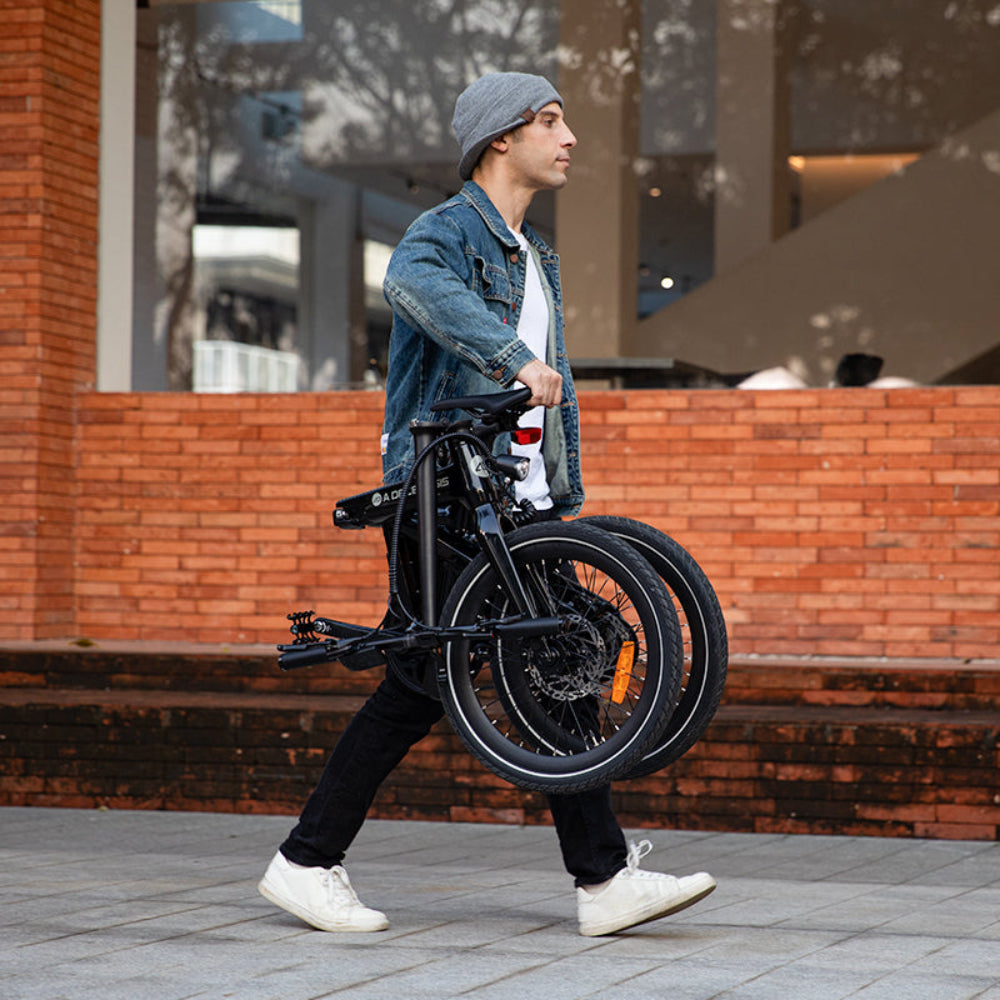
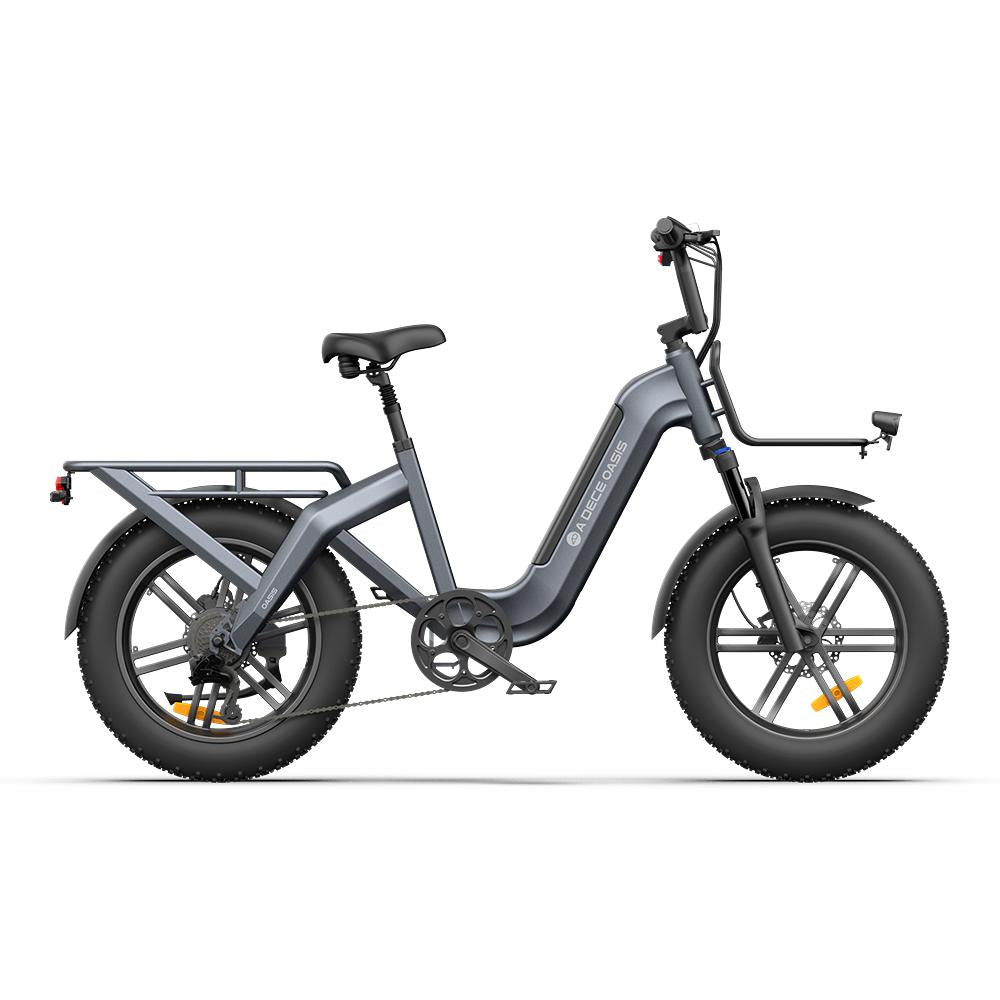
It also highlights how ADO ensures UK-compliant battery design across its electric bike parts and its best long range folding e-bike lineup.
Why UK Battery Standards Matter
-
UK regulations focus on reducing fire risks and improving user safety.
-
Certified batteries must meet standards such as EN15194, covering electrical safety and performance.
-
Quality battery systems protect riders during daily commutes and long-distance rides.
What to Look for in a Certified E-Bike Battery
-
Clear certification marks (e.g., UKCA / CE).
-
Reliable BMS (Battery Management System) to prevent overcharging and overheating.
-
Stable cell quality from trusted manufacturers.
-
Safe connectors and wiring, especially for key Electric Bike Parts.
Safe Charging Practices for UK Riders
-
Use only the official charger supplied with the e-bike.
-
Charge on a stable, non-flammable surface.
-
Avoid overnight charging.
-
Keep the battery dry and away from extreme temperatures.
-
Unplug when the battery reaches full charge.
Proper Storage to Extend Battery Life
-
Store between 10°C–20°C when possible.
-
Keep the battery partially charged (50–70%) for long-term storage.
-
Avoid direct sunlight and damp environments.
-
Remove the battery when storing the bike for extended periods.
ADO’s UK-Compliant Battery Technology
-
ADO batteries follow UK and EU safety standards, including key electrical and performance requirements.
-
Built-in BMS ensures protection against overcurrent, overheating, and short circuits.
-
The Air Series — known as some of the best long range folding e-bikes — uses high-efficiency batteries designed for both power and durability.
-
ADO focuses on safe, reliable Electric Bike Parts to support daily urban riding and long-range trips.


Leave a comment
Please note, comments need to be approved before they are published.