


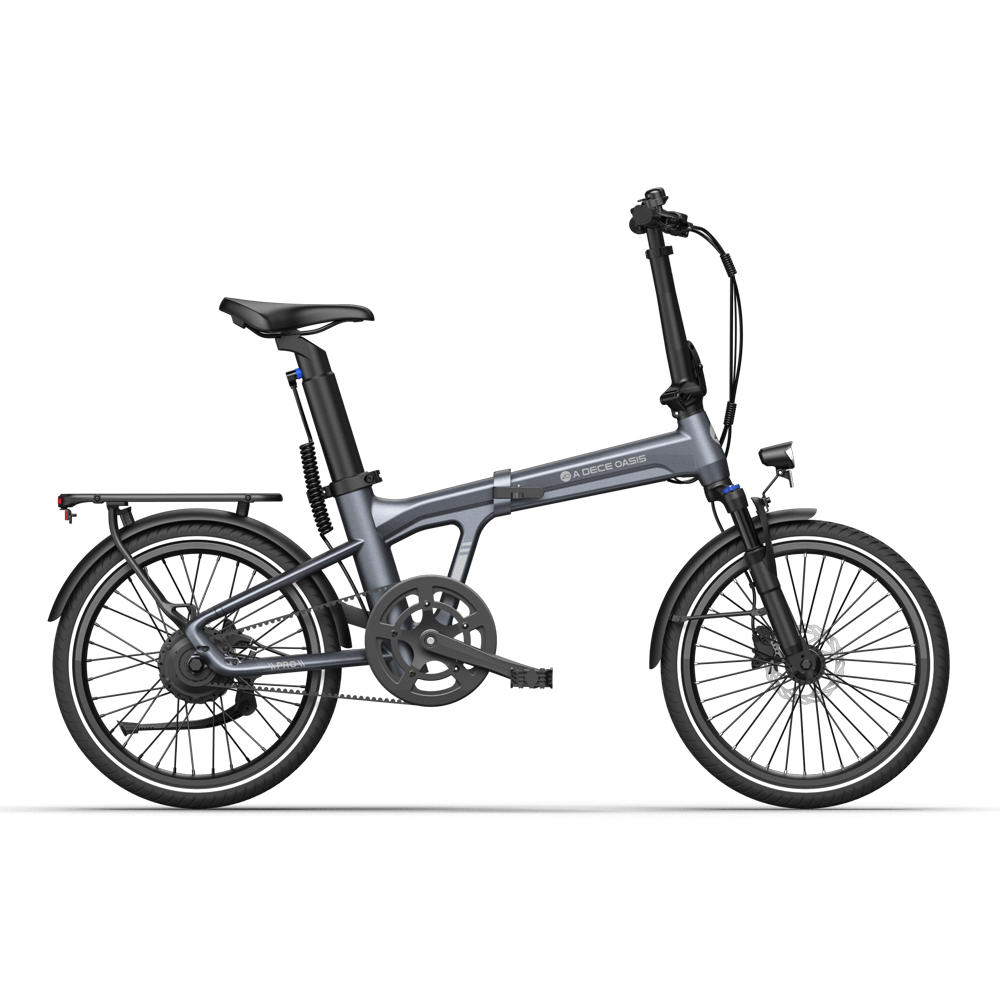


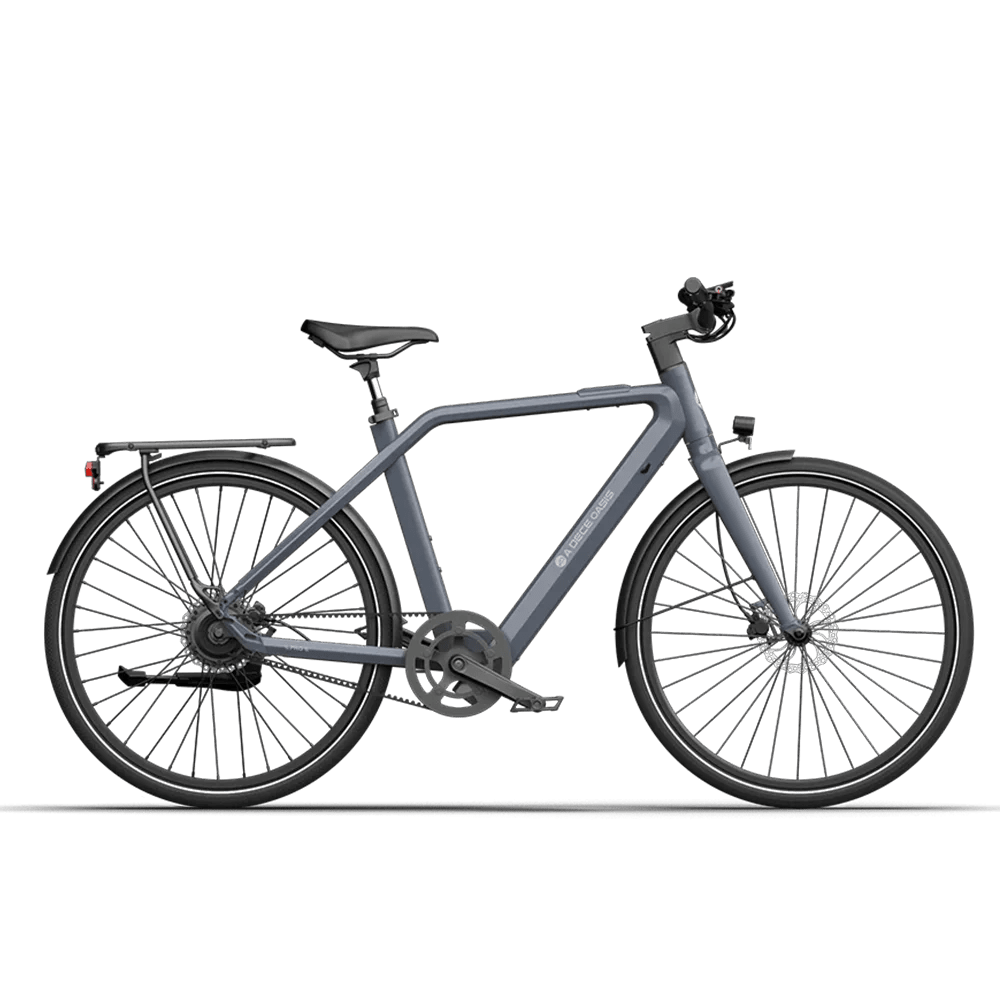



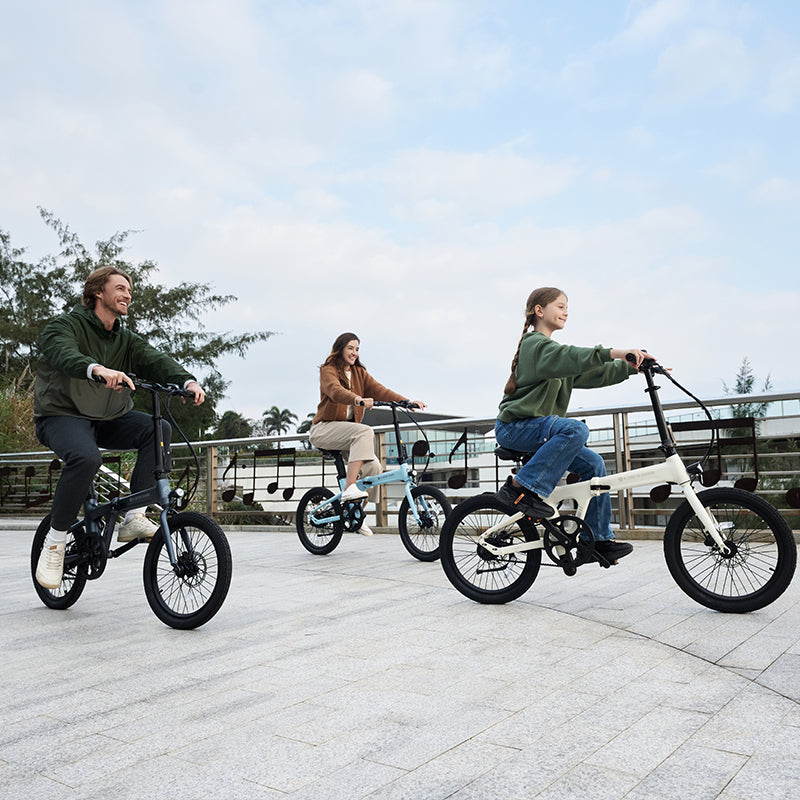


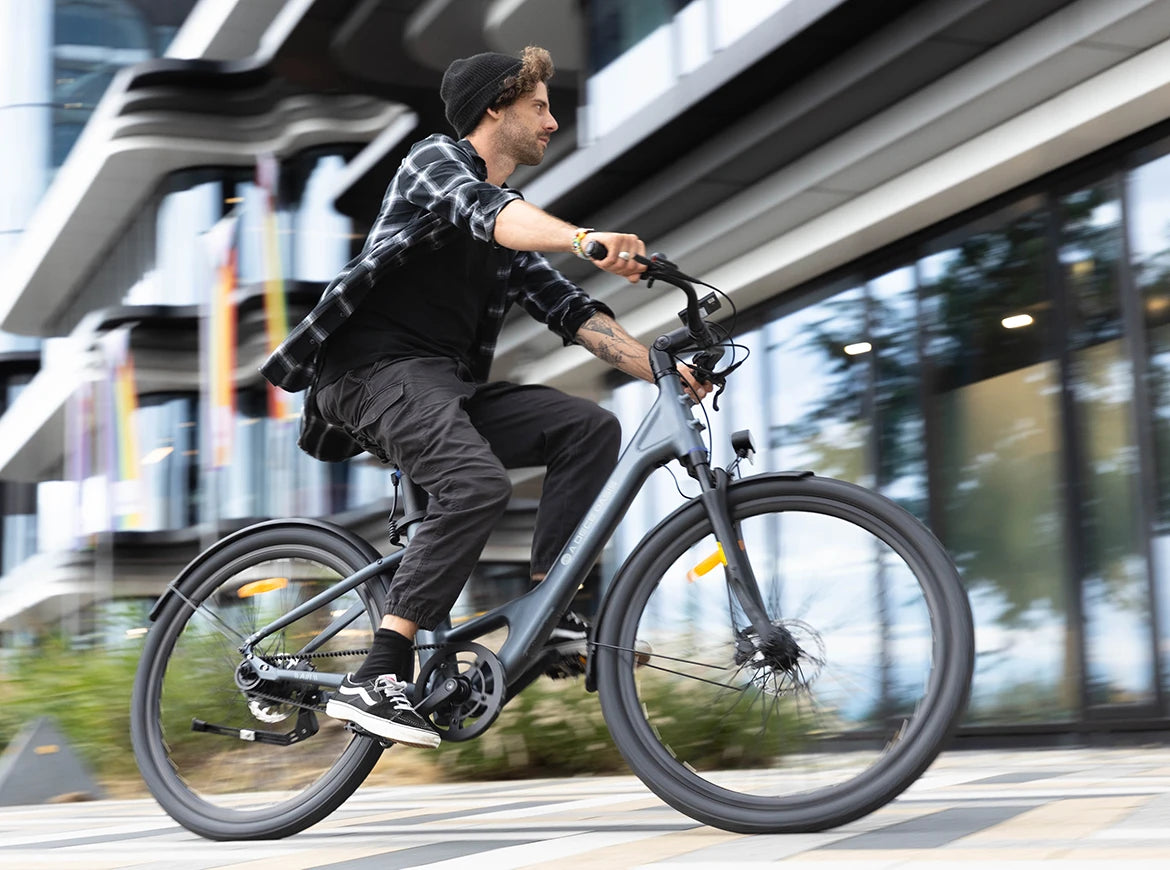



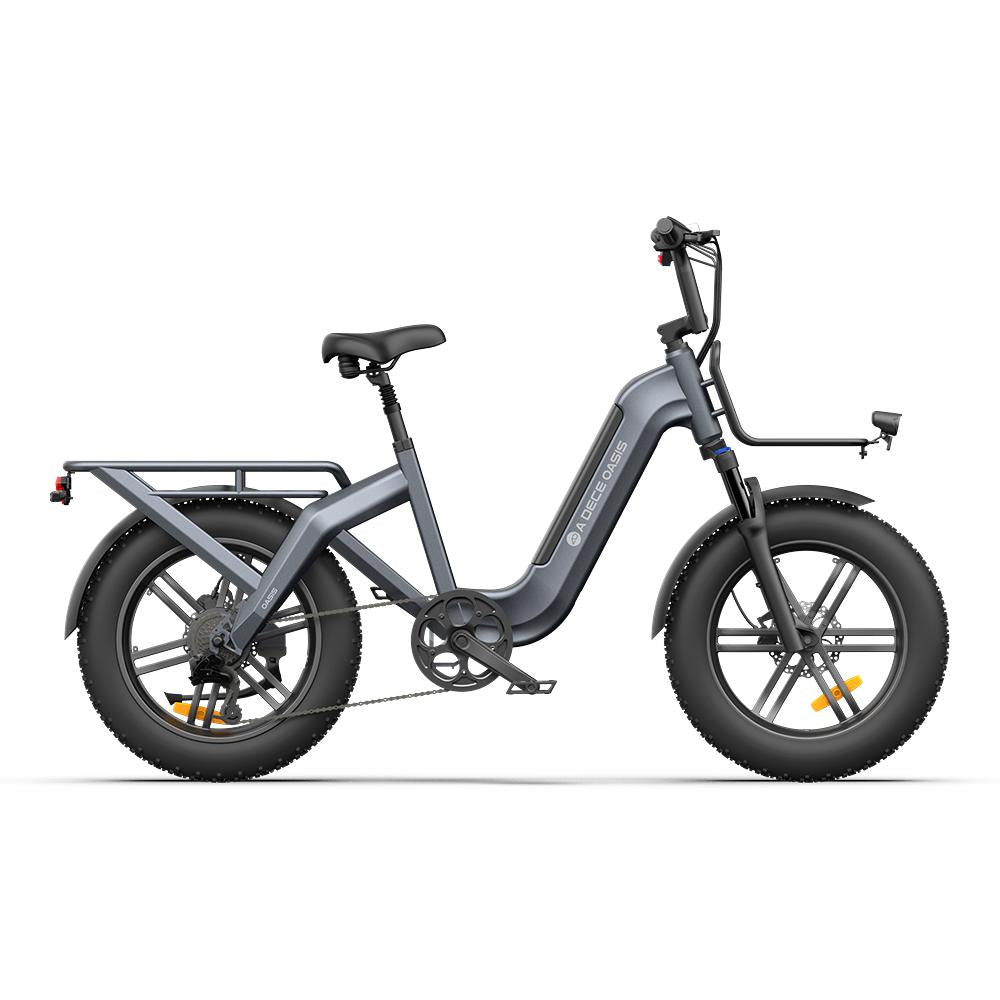


As global environmental challenges intensify, identifying sustainable transportation methods is a critical requirement for urban planning. Electric bikes (e-bikes) are increasingly adopted as a practical, energy-efficient, and low-carbon transit alternative. This article analyzes the measurable environmental benefits of electric bikes and their role in optimizing urban mobility.

Core Environmental Advantages of E-Bikes
Significant Reduction in Carbon Emissions
The primary environmental advantage of electric bikes is the substantial reduction in greenhouse gas emissions. Unlike traditional internal combustion engine (ICE) vehicles, e-bikes produce zero tailpipe emissions during operation.
| Metric | Internal Combustion Vehicles | Electric Bikes |
|---|---|---|
| Direct Emissions | High volumes of CO₂ | Zero tailpipe emissions |
| Relative Carbon Footprint | Baseline (100%) | Approx. 1/30th per kilometer |
| Energy Source | Fossil fuels (Petroleum) | Electricity (Increasingly renewable) |
By transitioning from fuel-powered vehicles to e-bikes for short to medium commutes, urban centers can effectively lower their total carbon output.
Mitigation of Urban Air Pollution
Vehicle exhaust is a primary driver of urban air pollution. Because electric bikes operate without combustion, they do not release harmful byproducts such as nitrogen oxides (NOx), particulate matter (PM), or volatile organic compounds (VOCs).
- Air Quality Improvement: Increased adoption of e-bikes in high-density traffic zones directly correlates with localized air quality improvements.
- Transit Synergy: Integrating e-bikes with existing public transportation networks further minimizes the reliance on emission-heavy vehicles.

Lower Energy Consumption and High Efficiency
E-bikes demonstrate superior energy conversion rates compared to traditional passenger vehicles.
- Energy Metrics: An electric bike can travel approximately 50 to 70 kilometers on a single kilowatt-hour (kWh) of electricity, representing a significantly higher energy efficiency ratio than traditional cars utilizing equivalent energy values.
- Grid Sustainability: As municipal power grids integrate higher percentages of renewable energy (solar, wind), the operational carbon footprint of charging an e-bike approaches net zero.
Alleviation of Traffic Congestion
Traffic congestion increases idle times, which compounds fuel waste and emissions. E-bikes offer a pragmatic solution to infrastructure limitations.
- Spatial Efficiency: E-bikes require a fraction of the road space of standard automobiles, improving overall traffic flow and maximizing existing infrastructure capacity.
- Economic and Environmental Savings: Reducing gridlock decreases the aggregate time and energy wasted by idle combustion engines, indirectly lowering metropolitan pollution levels.
Favorable Life-Cycle Environmental Impact
Evaluating the complete life-cycle of a vehicle—from raw material extraction to disposal—is essential for accurate environmental assessment.
- Manufacturing Footprint: The production of e-bikes requires significantly less raw material and energy compared to manufacturing automobiles.
- Battery End-of-Life: While lithium-ion battery production and disposal carry environmental costs, advancing recycling protocols and secondary-use applications for depleted cells are mitigating these impacts. Overall, the life-cycle emissions of an e-bike remain a fraction of those generated by a standard vehicle.
Conclusion
Electric bikes provide a measurable, pragmatic solution to several urban environmental issues. By lowering carbon emissions, reducing air pollutants, operating with high energy efficiency, and minimizing road congestion, e-bikes represent a functional utility for modern transit. As battery technology improves and urban infrastructure adapts, electric bicycles will continue to serve as a foundational element of sustainable municipal transportation systems.


Leave a comment
Please note, comments need to be approved before they are published.