








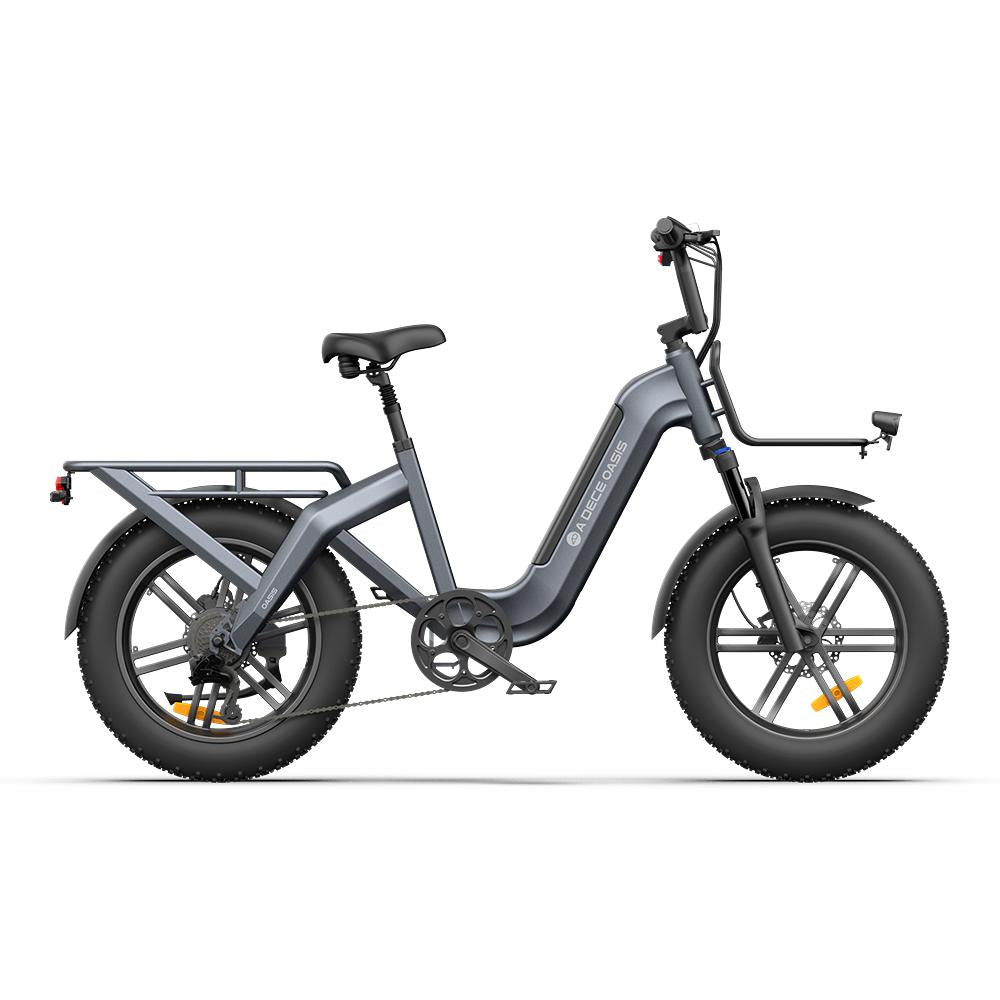


Summer is a great time to ride an e-bike, whether you're commuting through the city, heading out for a weekend ride, or exploring longer routes. But heat, direct sunlight, dust and sudden summer rain can all affect how your bike performs.
Regular e-bike maintenance can help protect the battery, tyres, brakes, drivetrain and electrical components while keeping your rides safe and comfortable. This guide explains what to check before, during and after summer rides, with practical tips for UK riders.
Quick Summer E-Bike Maintenance Checklist
| What to check | What to do |
|---|---|
| Battery | Keep it away from extreme heat and direct sunlight |
| Tyres | Check tyre pressure when the tyres are cool |
| Brakes | Check brake pads and braking performance |
| Drivetrain | Remove dust and grit and lubricate when required |
| Electrical parts | Keep connectors and charging ports clean and dry |
| Storage | Store the e-bike in a cool, dry place away from direct sunlight |
Why Summer Weather Can Affect Your E-Bike
High temperatures and humidity can place additional stress on an electric bike's battery and electrical components. Dust and grit can also build up more quickly during dry summer rides, while sudden rain can leave exposed parts wet.
For riders who use an e-bike for daily commuting, these small maintenance checks can make a noticeable difference over time.
How to Protect Your E-Bike Battery in Hot Weather
The battery is one of the most important components of an electric bike, so temperature management should be part of your summer maintenance routine.
Let the Battery Cool Before Charging
If the battery is hot after a long ride, allow it to cool to the temperature recommended by the manufacturer before charging. Avoid charging a hot battery immediately after riding in strong sunlight.
Keep the Battery Away From Direct Sunlight
When you're not riding, keep the battery and e-bike away from direct sunlight wherever possible. Avoid leaving the bike in a hot car, enclosed shed or other location where temperatures can rise significantly.
Use the Original Charging Equipment
Use the charger supplied or recommended by the manufacturer and follow the charging instructions for your specific e-bike model. Avoid using damaged chargers, cables or connectors.
For more information about caring for your specific model, always refer to the manufacturer's battery and charging instructions.
Check Tyre Pressure Before Summer Rides
Correct tyre pressure can affect comfort, handling, rolling resistance and overall riding efficiency.
Check the recommended pressure shown on the tyre sidewall or in your e-bike's manual. Check the pressure when the tyres are cool, especially before longer rides.
- Check tyre pressure regularly during periods of frequent riding.
- Look for cuts, cracks, punctures or unusual bulges.
- Replace tyres that show significant wear or damage.
- Do not inflate tyres beyond the manufacturer's recommended pressure.
Inspect Your Brakes Before Longer Rides
Warm weather does not remove the need for regular brake checks. Before longer summer rides, make sure the brakes respond smoothly and consistently.
- Check brake pads for excessive wear.
- Check whether the brakes feel unusually soft or weak.
- Listen for unusual grinding or squealing sounds.
- Make sure brake components are clean and free from contamination.
If braking performance changes suddenly, stop riding and have the braking system inspected before continuing.
Clean the Frame and Drivetrain
Summer rides can leave dust, sand and road grit around the frame, chain, gears and other drivetrain components. Regular cleaning helps prevent abrasive dirt from building up.
Clean the Frame
Use a soft cloth or sponge with clean water and a suitable bike cleaner. Avoid aggressive solvents or abrasive materials that could damage the frame finish.
If you ride a carbon e-bike, pay particular attention to the frame surface and inspect it regularly for visible cracks or damage. For carbon models such as the ADO Air Carbon, follow the manufacturer's care and inspection guidance.
Clean the Drivetrain
Remove dirt and grit from the drivetrain and apply the appropriate lubricant when required. Avoid applying lubricant to brake discs, brake pads or other braking surfaces.
Protect Electrical Components From Rain
UK summer weather can change quickly. A dry morning can turn into a short shower during your commute or weekend ride.
While many modern e-bikes are designed to handle normal riding conditions, avoid unnecessary exposure to heavy rain and standing water. Do not use a high-pressure washer on an e-bike, as strong water pressure can force moisture into sensitive components.
- Keep charging ports closed when they are not in use.
- Do not charge the bike while the charging port or connector is wet.
- Dry exposed electrical areas before storing or charging the bike.
- Avoid riding through deep standing water.
How to Store an E-Bike in Summer
Proper storage is particularly important during periods of high temperatures.
- Store your e-bike in a cool, dry and well-ventilated location.
- Keep it away from direct sunlight.
- Avoid leaving it inside a hot vehicle.
- Keep the battery away from excessive heat.
- For longer periods without use, follow the battery storage instructions provided by the manufacturer.
When Should You Stop Riding an E-Bike?
Some problems should not be treated as normal maintenance issues. Stop riding and have the bike inspected if you notice:
- A swollen, damaged or unusually hot battery.
- A strong or unusual smell coming from the battery or electrical system.
- Sudden loss of braking performance.
- A cracked or visibly damaged carbon frame.
- A tyre with a deep cut, bulge or serious structural damage.
- Damaged electrical connectors or charging components.
- Unusual motor noises that were not present before.
Do not attempt to open or repair a damaged battery yourself. Follow the manufacturer's safety instructions and contact an authorised service provider when necessary.
Summer E-Bike Maintenance Checklist
For regular summer riding, a simple routine is often enough to catch problems early:
- Before riding: Check tyre pressure, brakes and visible frame condition.
- After riding: Remove dust, dirt and moisture from the bike.
- Before charging: Make sure the battery and charging area are cool and dry.
- Every few rides: Inspect tyres, brake pads and drivetrain components.
- Before long trips: Carry out a more thorough inspection and check battery charge.
Frequently Asked Questions About Summer E-Bike Maintenance
Can I charge an e-bike battery when it is hot?
It is better to let a hot battery cool before charging. After a long ride in warm weather, move the e-bike or battery to a cool, dry location and follow the charging temperature guidance provided by the manufacturer.
Can I ride an e-bike in the rain?
Many e-bikes can handle normal wet-weather riding, but they should not be exposed unnecessarily to heavy water or high-pressure washing. Keep charging ports closed, avoid deep standing water and dry the bike before charging or storing it.
How often should I check e-bike tyre pressure?
Check tyre pressure regularly, especially before longer rides. Frequent riders may benefit from checking pressure at least once a week, while occasional riders should check it before longer trips.
How do I maintain a carbon e-bike?
Keep the frame clean, inspect it regularly and avoid abrasive cleaners or unnecessary impacts. Pay particular attention to visible cracks or damage around the frame and follow the manufacturer's carbon-frame maintenance guidance.
How should I store an e-bike in summer?
Store it in a cool, dry and shaded location. Avoid direct sunlight, hot vehicles and locations where temperatures can become excessive. Follow the manufacturer's instructions for long-term battery storage.
Final Thoughts
Good e-bike maintenance in summer does not need to be complicated. Keep the battery away from excessive heat, check your tyres and brakes regularly, clean away dust and grit, protect electrical components from water and store the bike somewhere cool and dry.
A few simple checks before and after each ride can help you spot problems early and keep your electric bike ready for everyday commuting, weekend rides and longer summer trips.
Always follow the maintenance, charging and safety instructions supplied with your specific e-bike model.


Leave a comment
Please note, comments need to be approved before they are published.