











With fuel prices fluctuating and UK rail fares rising again, many urban commuters are reconsidering their daily route to work. Is an electric bike truly a realistic, money-saving alternative? Let's look at the financial data, commute times, and real-world conditions in London and major UK cities.
The Rising Cost of Commuting in the UK
Traditional commuting methods continue to strain monthly household budgets. Here is how current options stack up:
- Fuel Costs: Petrol averages £1.55–£1.70 per litre. A standard 15 km daily commute can easily cost £1,200–£1,800 per year in fuel alone—before accounting for wear and tear, MOT, and insurance.
- Rail Season Tickets: Annual London Travelcards often exceed £2,000–£3,500, with prices continuing to outpace wage growth.
- City Parking: Central London parking ranges from £10–£25 per day, while annual workplace parking permits can top £1,000.
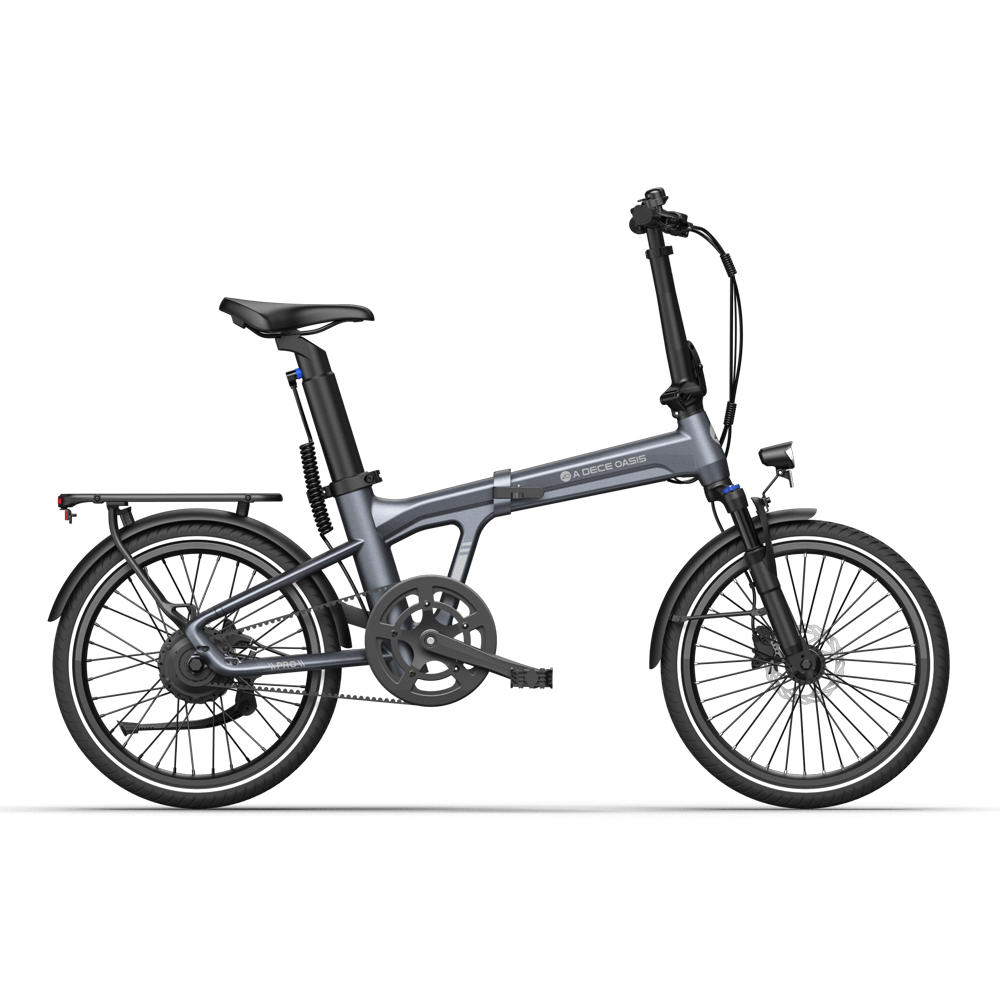
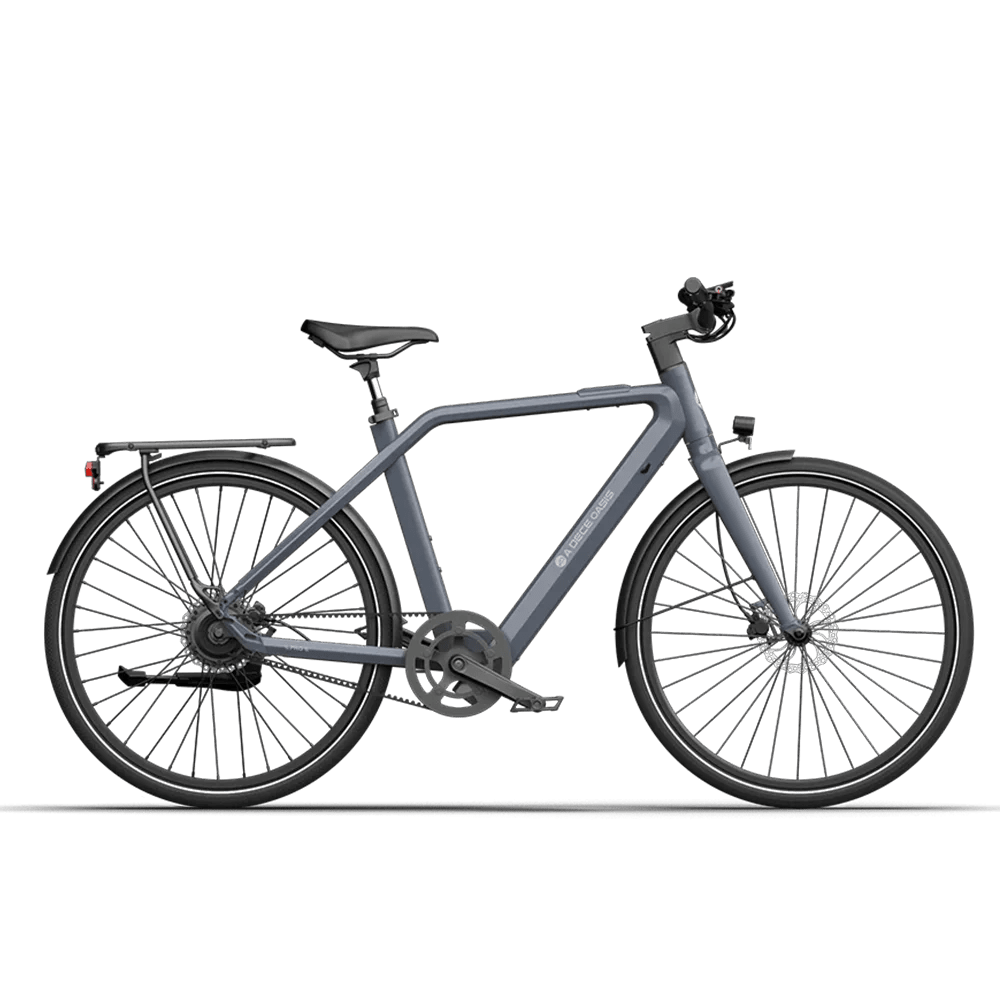
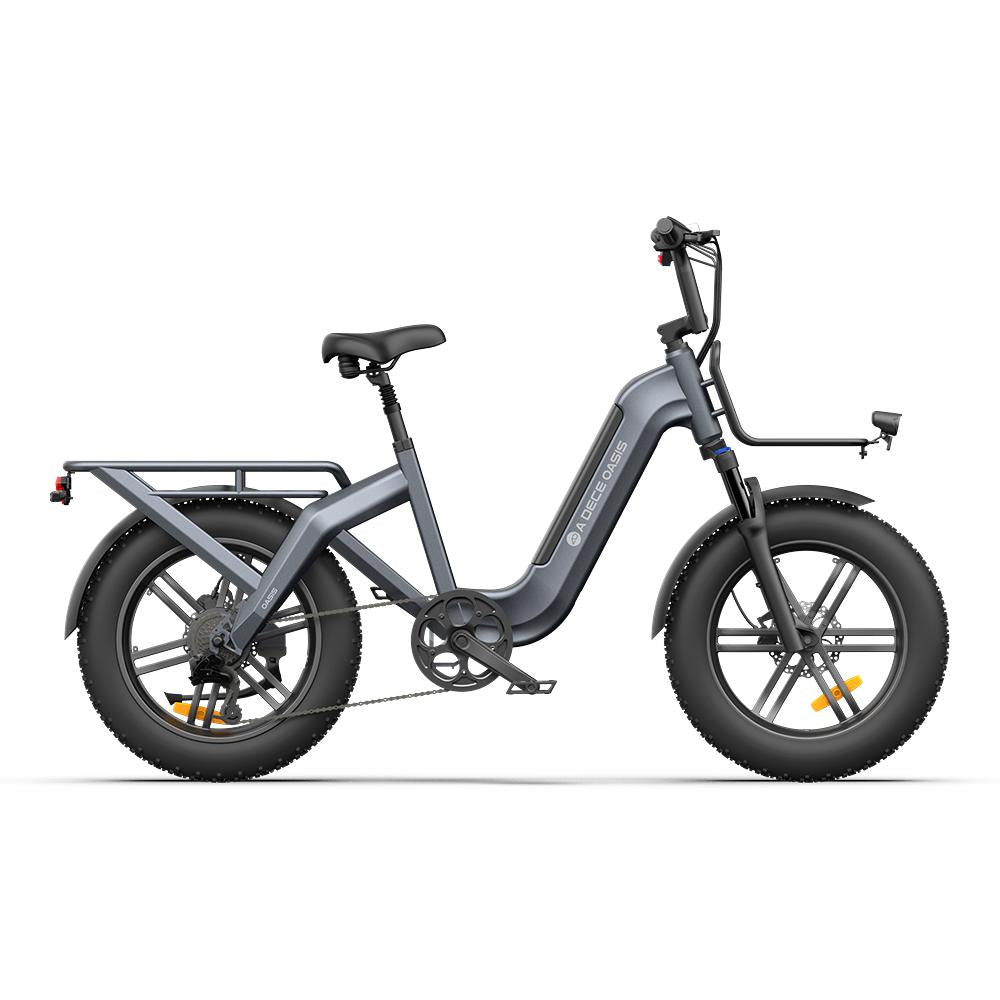
Faced with these escalating overheads, savvy commuters are turning to the best e-bike in UK under £1800 as a high-return investment that quickly pays for itself.
Real London Commute Time Test
In peak hour traffic across an 8–12 km London route, speed isn't about horsepower—it's about avoiding congestion:
- Car Travel: Heavy rush-hour gridlock drops average city driving speeds to just 12–15 km/h, on top of daily Congestion Charge and ULEZ liabilities.
- Train + Walking: Delays, platform overcrowding, and connection wait times make door-to-door schedules unpredictable.
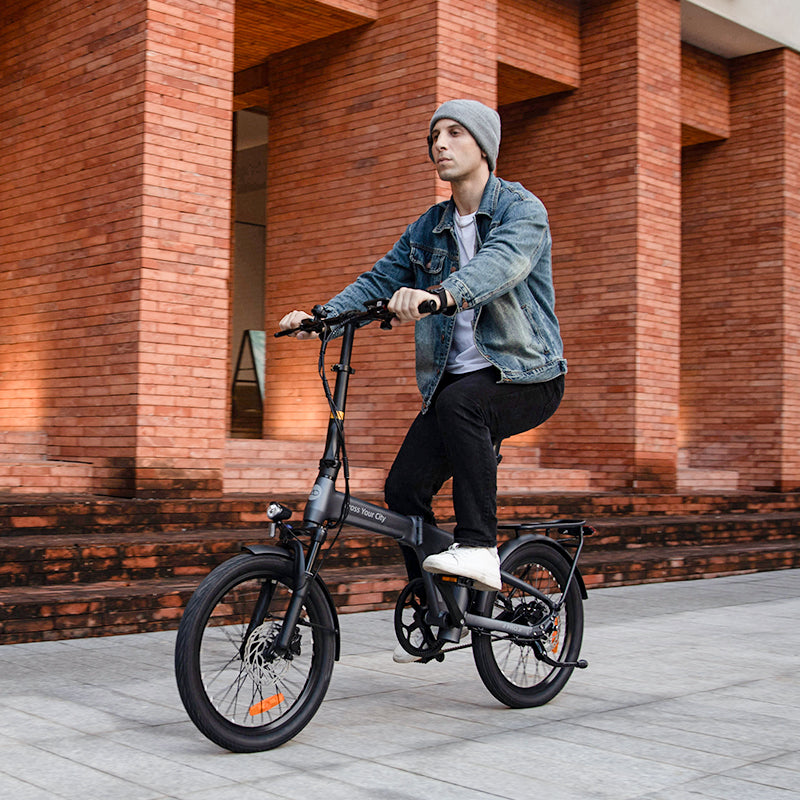
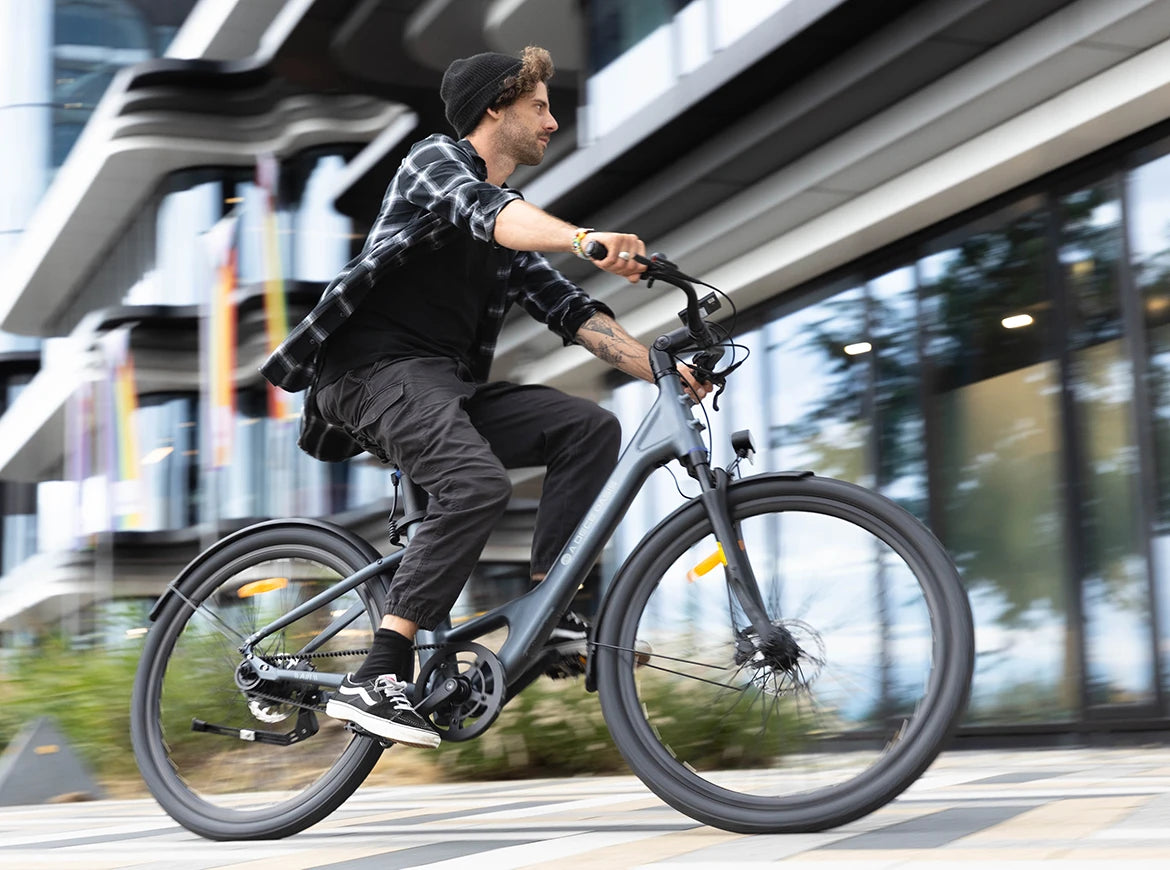
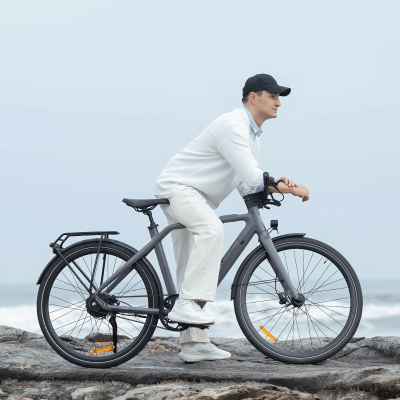
- EAPC Electric Bike: Capable of maintaining a steady 15.5 mph (25 km/h) assisted speed, utilizing bus lanes and dedicated Cycleways for direct door-to-door transit.
On most inner-city routes across London, Manchester, and Birmingham, a legal electric bike matches or beats driving times during rush hour.
Understanding UK E-Bike Law (EAPC Rules)
To ride legally on public roads without extra paperwork, an electric bicycle must meet Electrically Assisted Pedal Cycle (EAPC) criteria:
- Motor Cap: Maximum continuous power rating of 250 Watts.
- Pedal Assistance: The motor activates only when actively turning the pedals.
- Speed Limit: Motor assistance automatically cuts off at 15.5 mph (25 km/h).
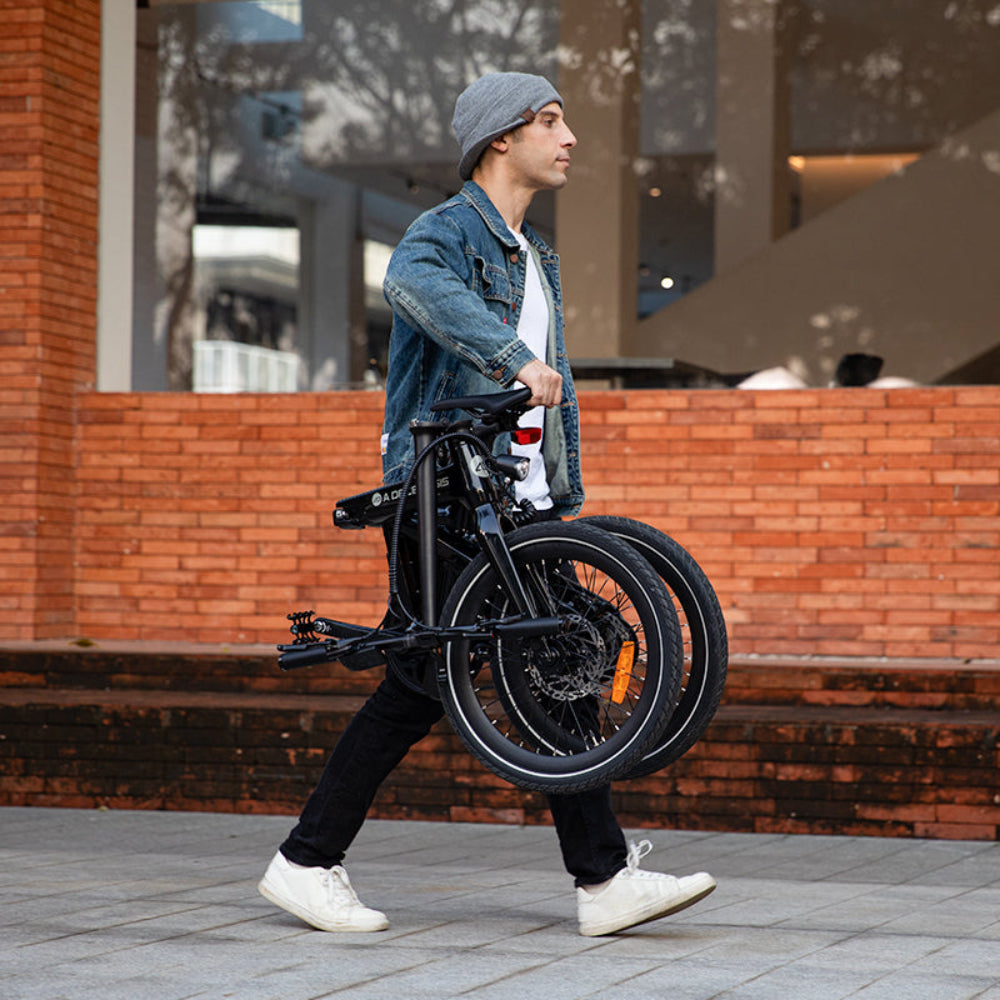
Because EAPCs are classified just like regular bicycles, you need no driving licence, no road tax, and no compulsory insurance. Certified models such as the ADO Air 20 Ultra folding e-bike adhere strictly to UK laws, making them instantly road-legal for daily riding.
Cost Efficiency: 3-Year Ownership Comparison
Comparing total expenses over a typical three-year commuting period highlights the dramatic savings of switching to an e-bike:
| Expense Category | Electric Bike (EAPC) | Standard Petrol Car |
|---|---|---|
| Initial Outlay / Value | £1,200 – £1,800 | Substantial asset value / financing |
| 3-Year Fuel / Charging | ~£60 – £120 total (£20-40/yr) | £4,000+ |
| Tax & Insurance | £0 (Optional cover) | £3,000+ |
| Parking & Fees | £0 | £1,500 – £3,000+ |
Even when factoring in occasional tune-ups or eventual battery replacements after several years, an e-bike delivers thousands of pounds in net savings. For city dwellers in flats or shared offices, choosing the best folding e-bike for commuting eliminates storage worries while maximizing day-to-day utility.
Conclusion: The Smart Alternative for UK Commuters
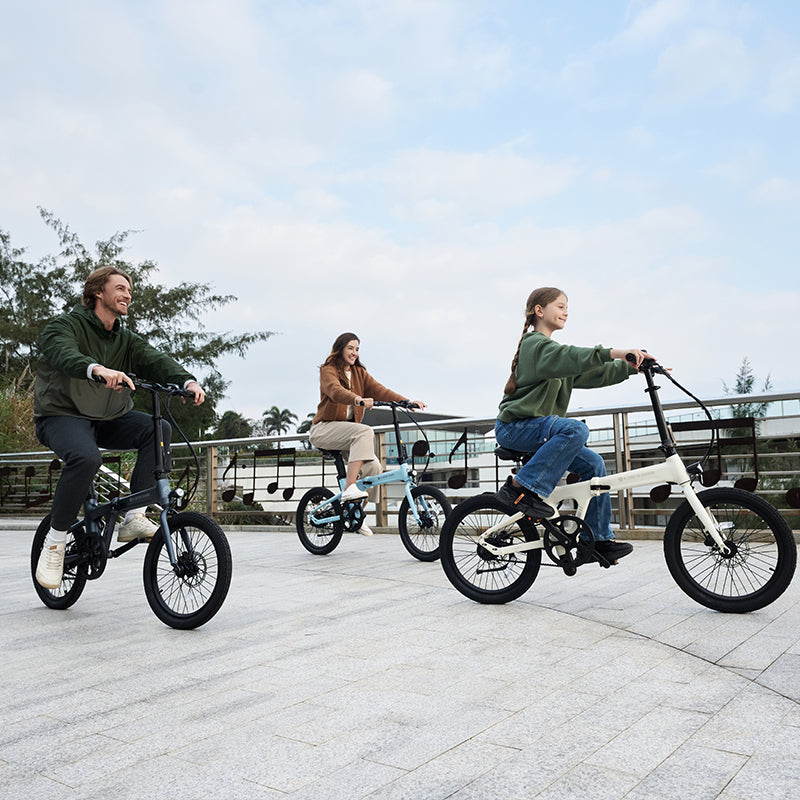
For daily city travel, electric bikes offer a winning combination of financial savings, predictable journey times, zero road tax, and zero tailpipe emissions. Switching your daily ride converts wasted commuting hours into active, cost-effective travel.


Leave a comment
Please note, comments need to be approved before they are published.