









1. Why the Lake District is Ideal for E-Biking
- The Lake District is one of the UK’s most scenic cycling regions.
- It offers:
- Rolling hills and steep mountain passes
- Quiet country roads and lakeside routes
- A mix of short climbs and long gradients
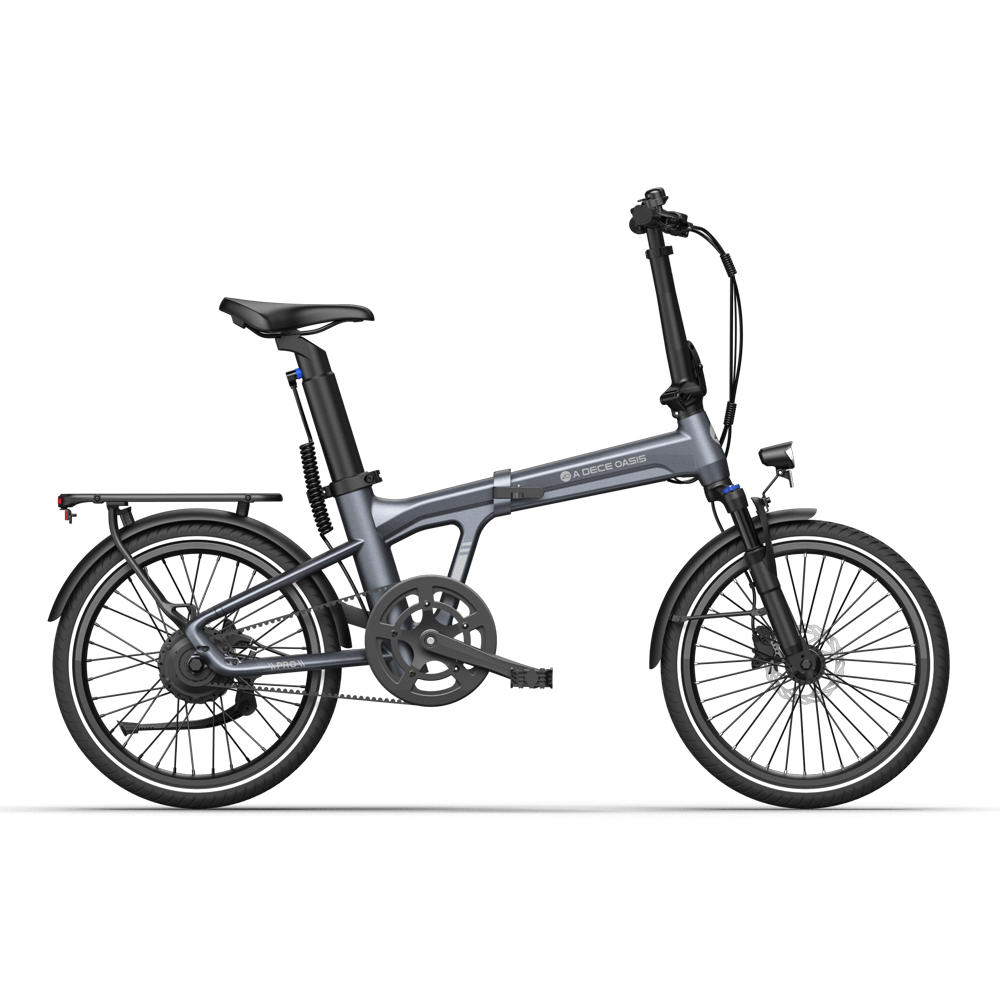
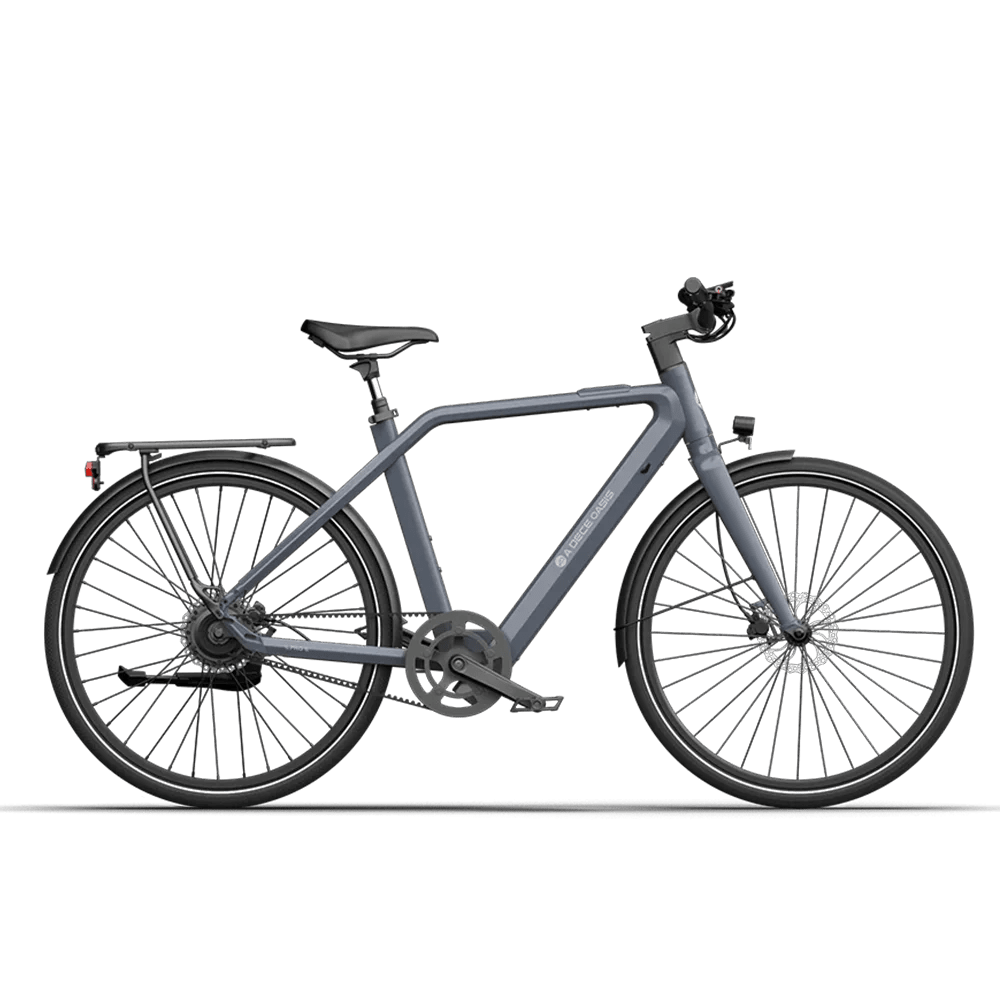
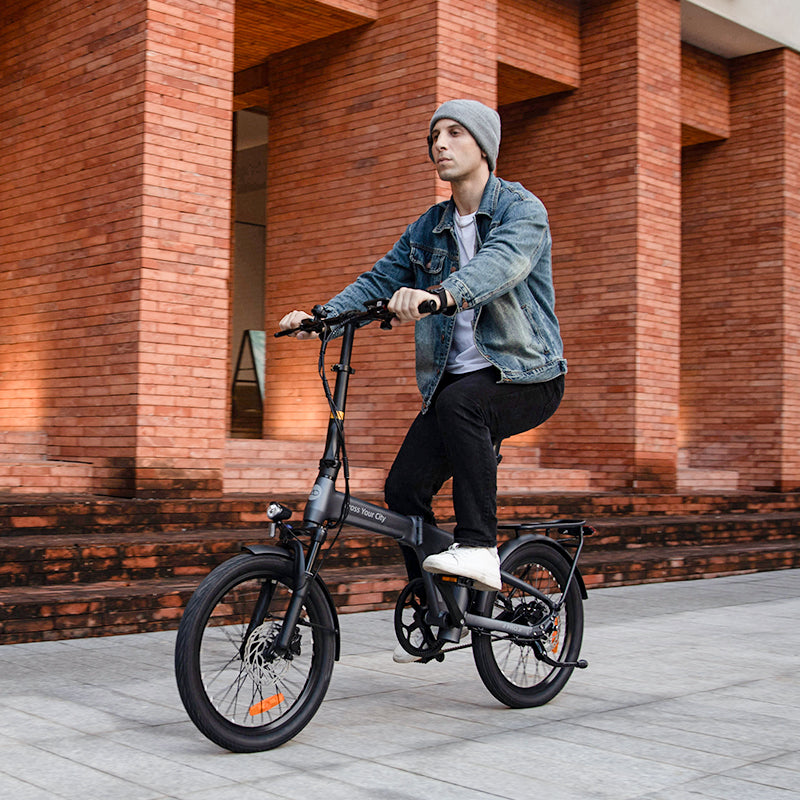
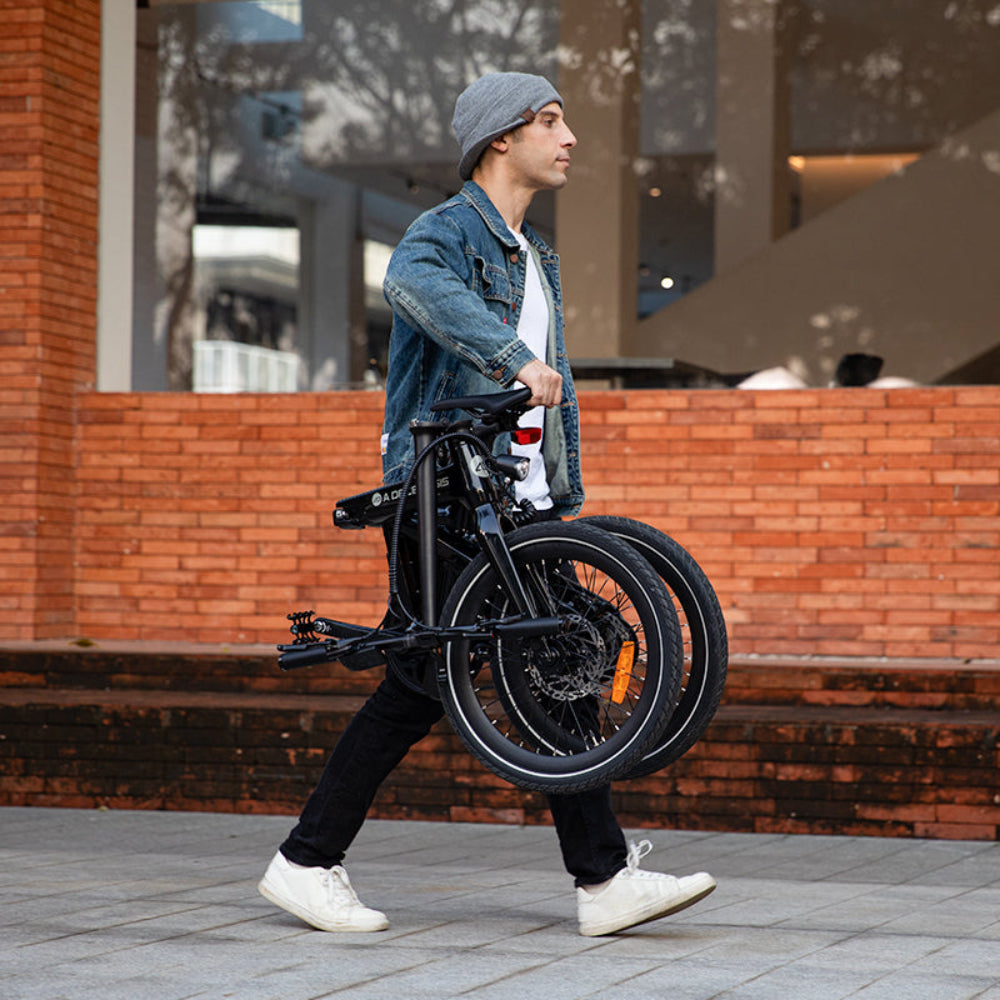
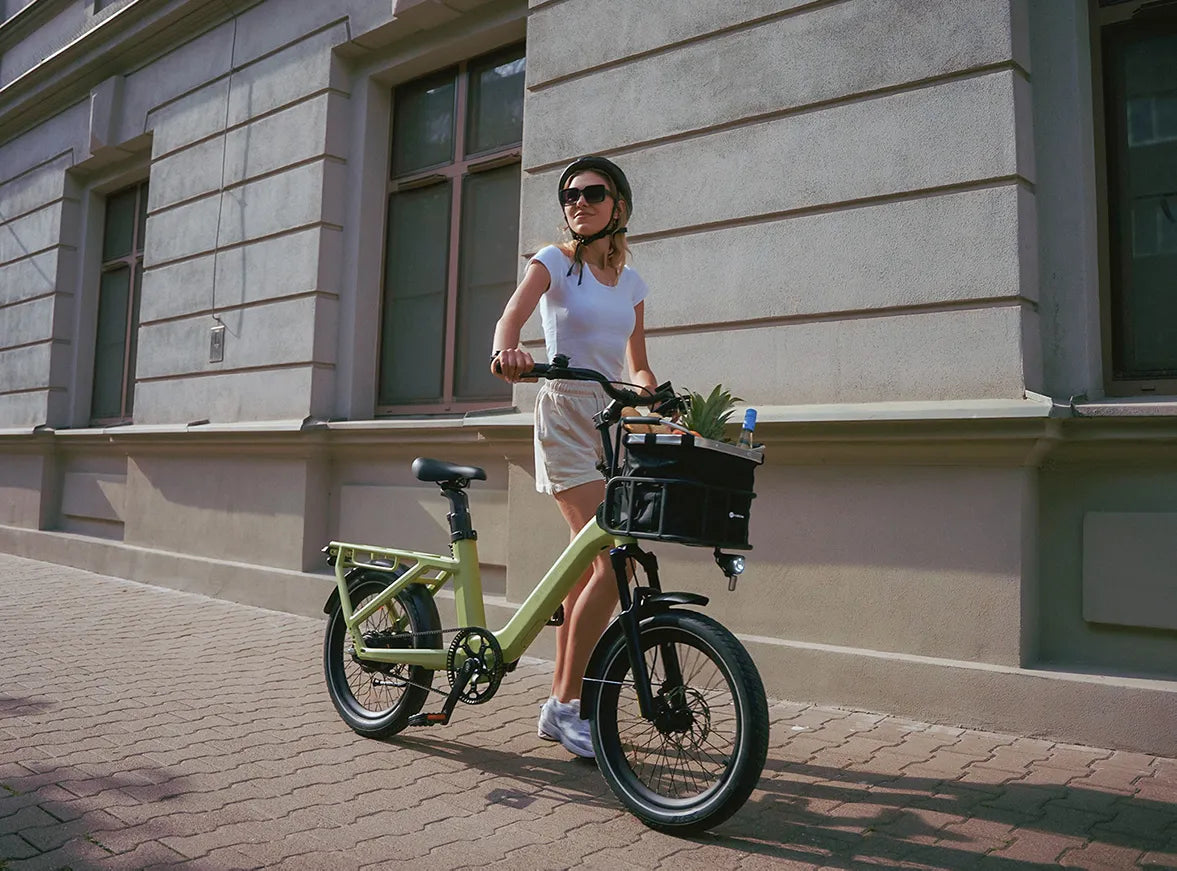
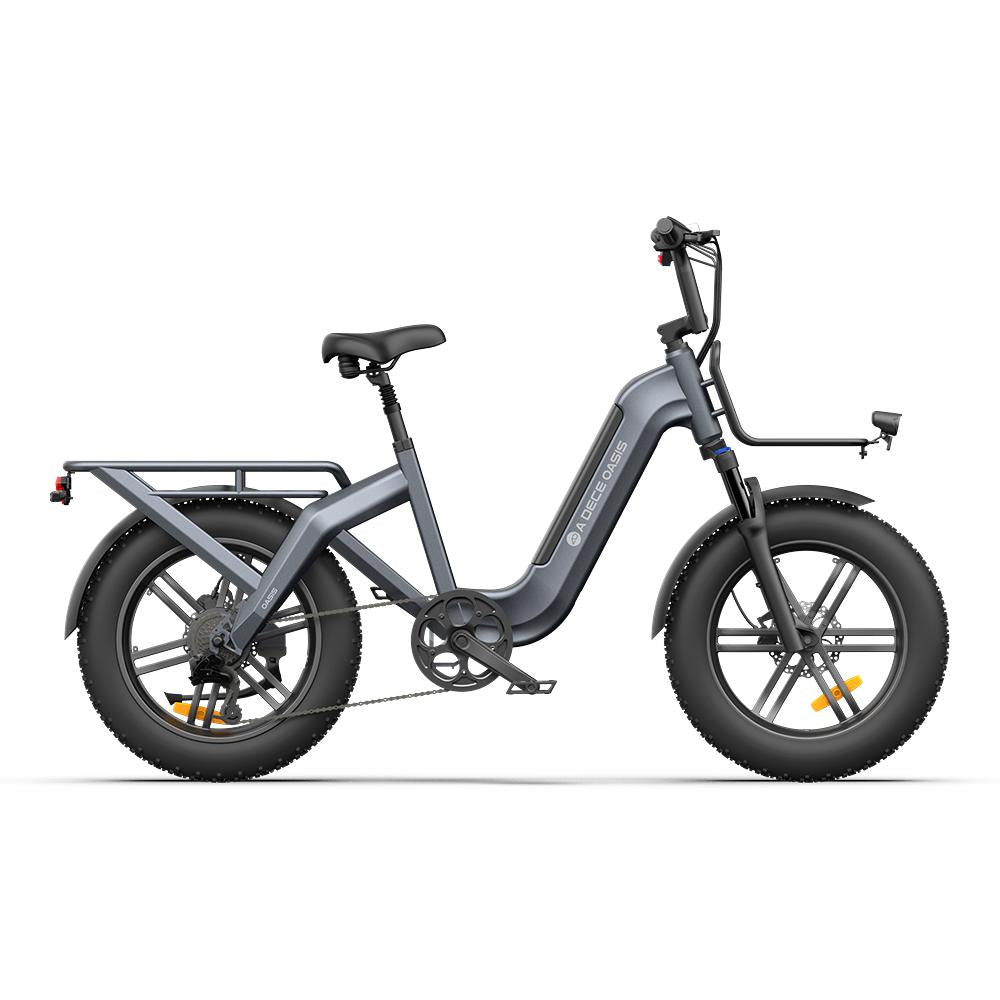
Choosing the best smartest folding e-bike can make a noticeable difference when navigating varied terrain.
2. Understanding Hill Gradients
-
Climbs in the Lake District can be challenging:
- Gradients often range from 5% to 15%
- Some passes exceed 20%
-
Key factors that affect performance:
- Motor torque (Nm)
- Gear system efficiency
- Rider input and cadence
-
Steeper gradients require:
- Consistent power delivery
- Smooth gear transitions
- Efficient battery usage
3. Motor Torque and Climbing Performance
- Motor torque determines how well an e-bike handles climbs.
-
Higher torque helps:
- Start on steep inclines
- Maintain speed uphill
- Reduce rider fatigue
-
Systems like the BAFANG H370 internal 3-speed hub:
- Automatically adjust gearing
- Improve efficiency on changing slopes
- Provide smoother riding in hilly areas
-
On models such as the ADO Air 20 Ultra V2026:
- The integrated system supports steady climbing
- Power delivery remains stable on longer ascents
4. Battery Performance on Long Rides
- The Lake District’s terrain can drain batteries faster.
- Factors influencing range:
- Elevation gain
- Rider weight
- Assist level
- Practical tips:
- Use lower assist levels on flat sections
- Maintain steady pedaling cadence
- Plan charging stops if needed
A well-designed folding electric bike with efficient energy management can better handle extended hill routes.
5. Riding Tips for the Lake District
- Plan your route in advance
- Check weather conditions (rapid changes are common)
- Use appropriate assist modes for climbs
- Take breaks on long ascents
- Always prioritize safety on descents
ADO Electric bikes


Leave a comment
Please note, comments need to be approved before they are published.