









Foldable E-Bikes & UK Public Transport Rules
Navigating the transition between cycling and public transit can be tricky, but foldability changes the game entirely. Here is what you need to know about the current rules on British trains, buses, and tubes:
- Unrestricted Access: Most UK public transport operators permit foldable electric bikes on board at any time of day, provided they are fully folded.
- Peak Hour Priority: The London Underground (TfL) and local bus networks heavily prioritize ultra-compact sizes and restricted space during peak commuting hours.
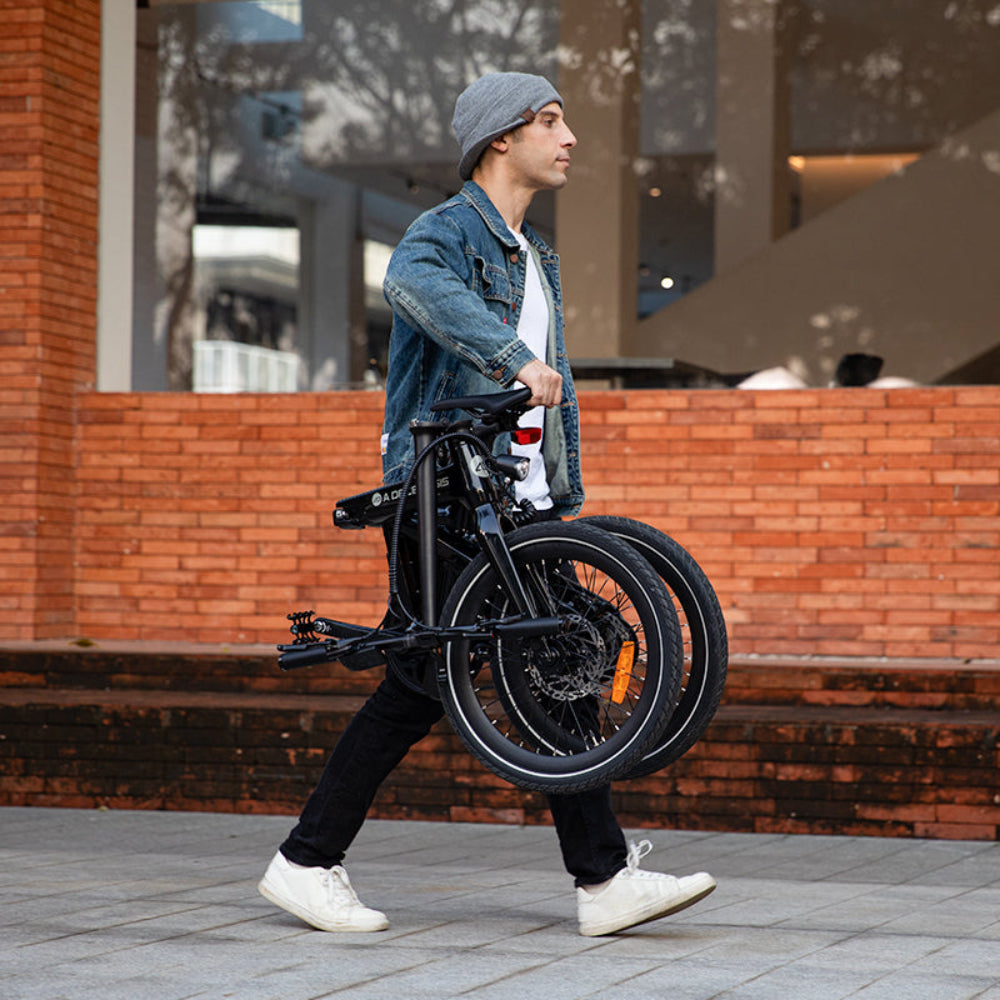
- Station Maneuverability: Riding a lightweight folding e-bike makes it significantly easier to carry through busy station barriers, down escalators, and onto crowded platforms.
- Passenger Etiquette: Smaller, locked-down folded dimensions greatly reduce the risk of accidental bumps and conflict with fellow passengers during rush hour.
What Matters Most for "Tube + E-Bike" Commuting
If you plan to combine the London Underground or regional rail with your daily ride, look out for these three critical pillars:
Peak Commute Selection Criteria:
Portability: Look for a low overall weight that won’t strain your back when lifting on stairs. The folded package must sit compactly near your seat or in designated luggage areas.
Ease of Folding: Simple, latch-and-go folding steps save precious seconds during rapid platform transfers. Faster folding translates directly to less stress when doors are closing.
Urban Compatibility: High-quality folding e-bikes act as the ultimate "last-mile" solution, bridging the gap between major transit hubs and your final destination. This setup is highly popular for folding e-bikes for UK commuters.
Real Commute Benefits: Save Time & Money
Ditching the traditional car or skipping the secondary bus connection yields massive real-world rewards:
- Cut Walking Times: Seamlessly pairing tube rides with swift e-bike transit reduces long, tedious walks to and from train exits.
- Ditch Ridesharing: Having your own motorized wheels on hand instantly replaces the need for expensive short-distance taxis or ride-hailing services.
- Zero Delay Waiting: Say goodbye to standing in the rain waiting for delayed connecting buses. You control your schedule.
- Compounding Monthly Savings: Replacing short car trips or multi-zone transit passes keeps hundreds of pounds in your wallet over the course of a year.
Portability in Daily Use
The convenience of a folding e-bike extends far beyond the train platform:
- Space-Saving Storage: Foldable frames slide easily under desks at the office or into narrow wardrobes in compact city flats.
- Anti-Theft Peace of Mind: Bringing your bike directly indoors with you completely eliminates the risk of outdoor street theft and vandalism.
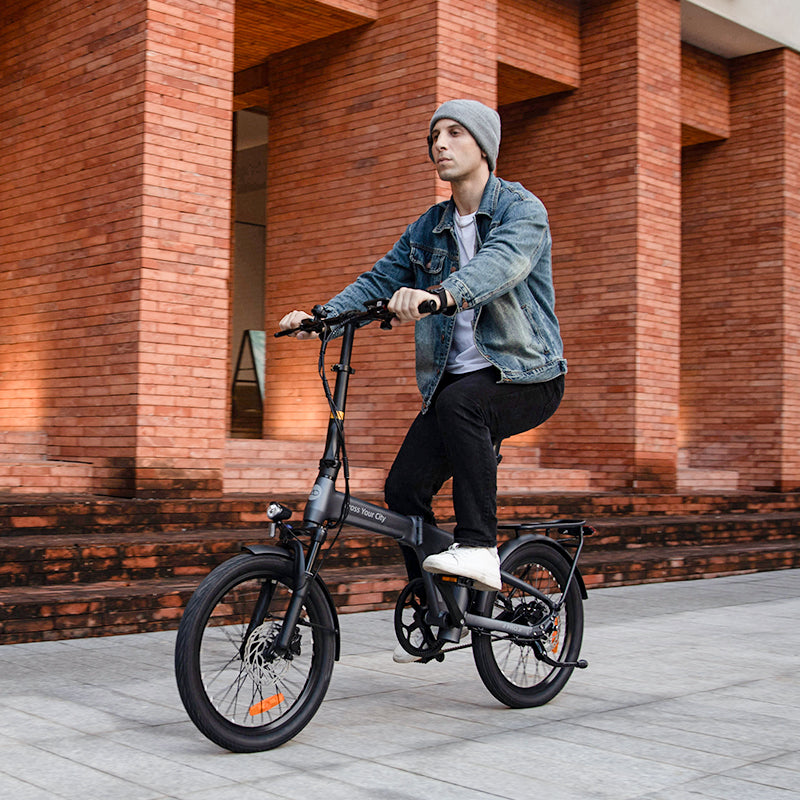
- Door-to-Door Commuting: Experienced riders report a significantly smoother, stress-free morning routine when their cycling naturally fills the gaps between public transit lines.
A Practical Example: The ADO Air 20
Looking at how actual commuters navigate modern UK streets provides the best blueprint for choosing your setup:
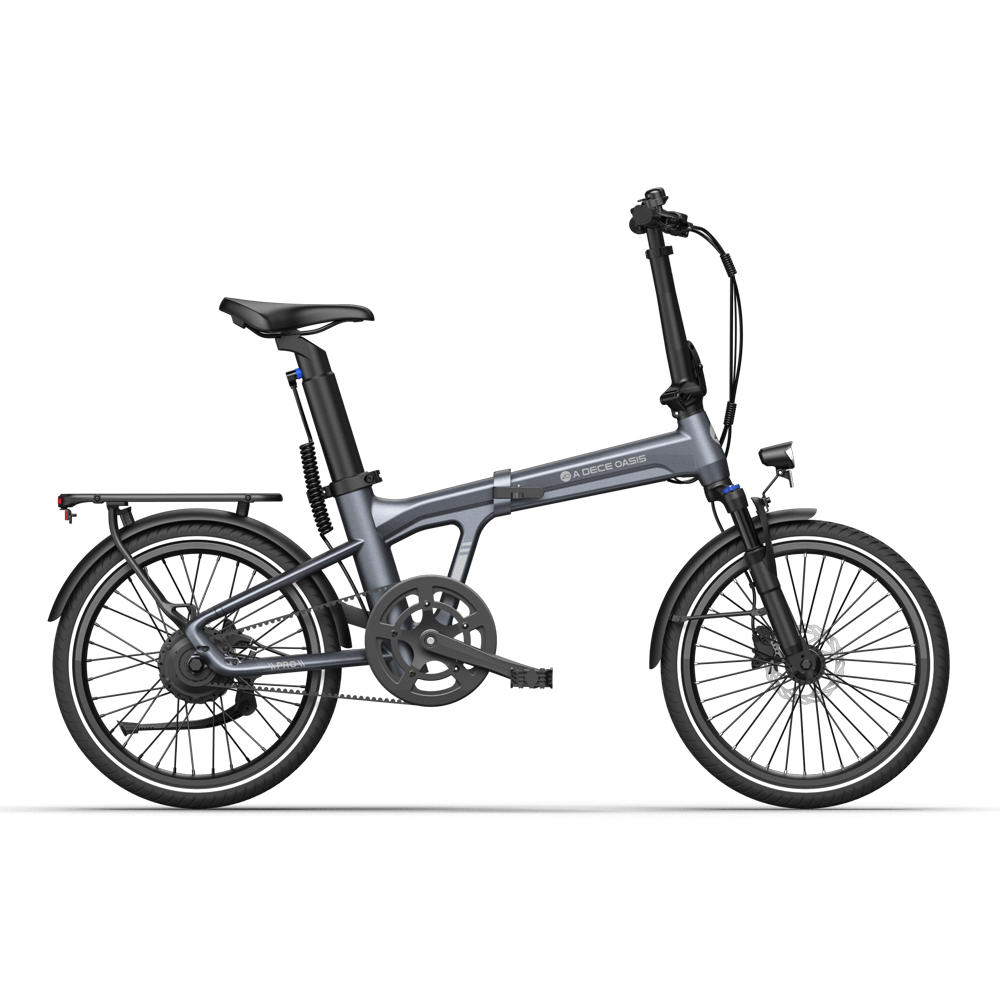
- Built for the UK Commuter: Highly popular models like the ADO Air 20 folding e-bike showcase how compact engineering perfectly adapts to British rail and bus requirements.
- Spontaneous Route Planning: Its highly durable, quickly collapsible frame allows you to switch from riding to taking transit at a moment's notice, without pre-booking or complex logistics.
- Practicality First: The engineering prioritizes clean daily convenience (like a low-maintenance belt drive) over speed or extreme sporting features, keeping your commute clean, quiet, and effortlessly reliable.


Leave a comment
Please note, comments need to be approved before they are published.