


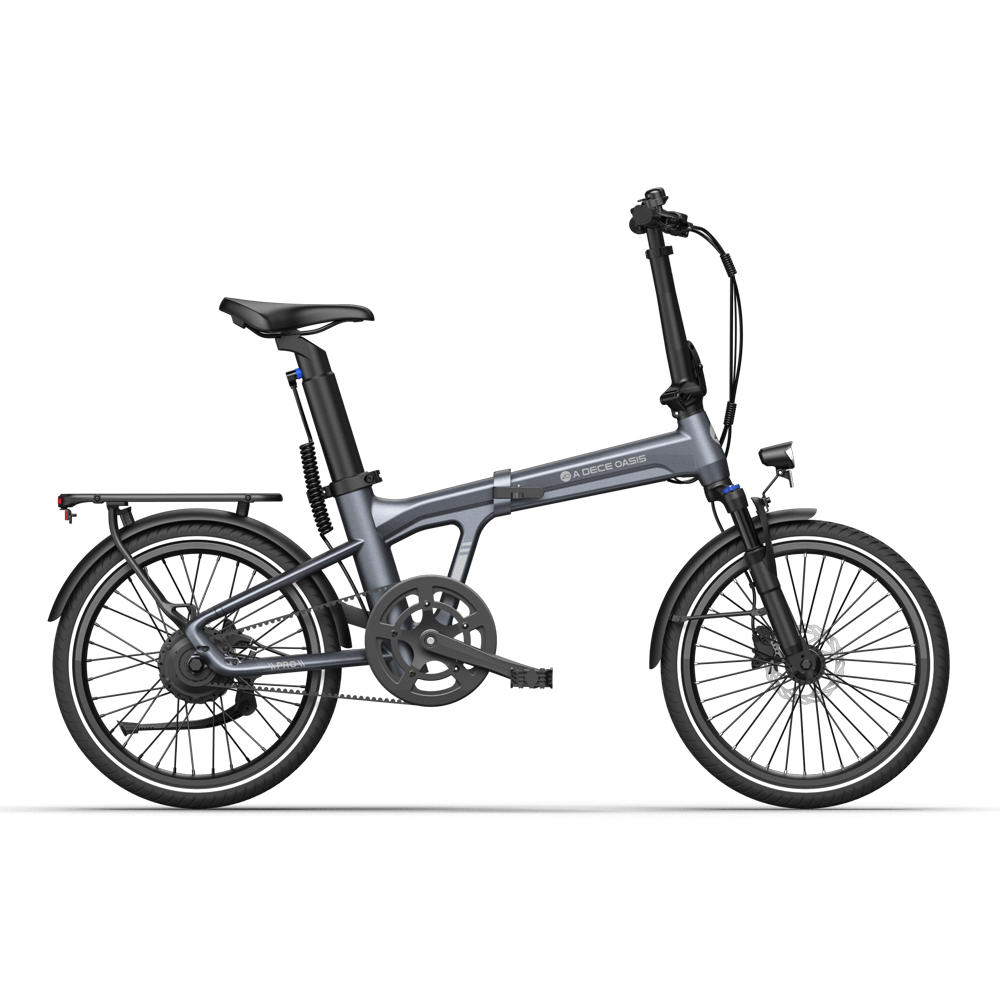


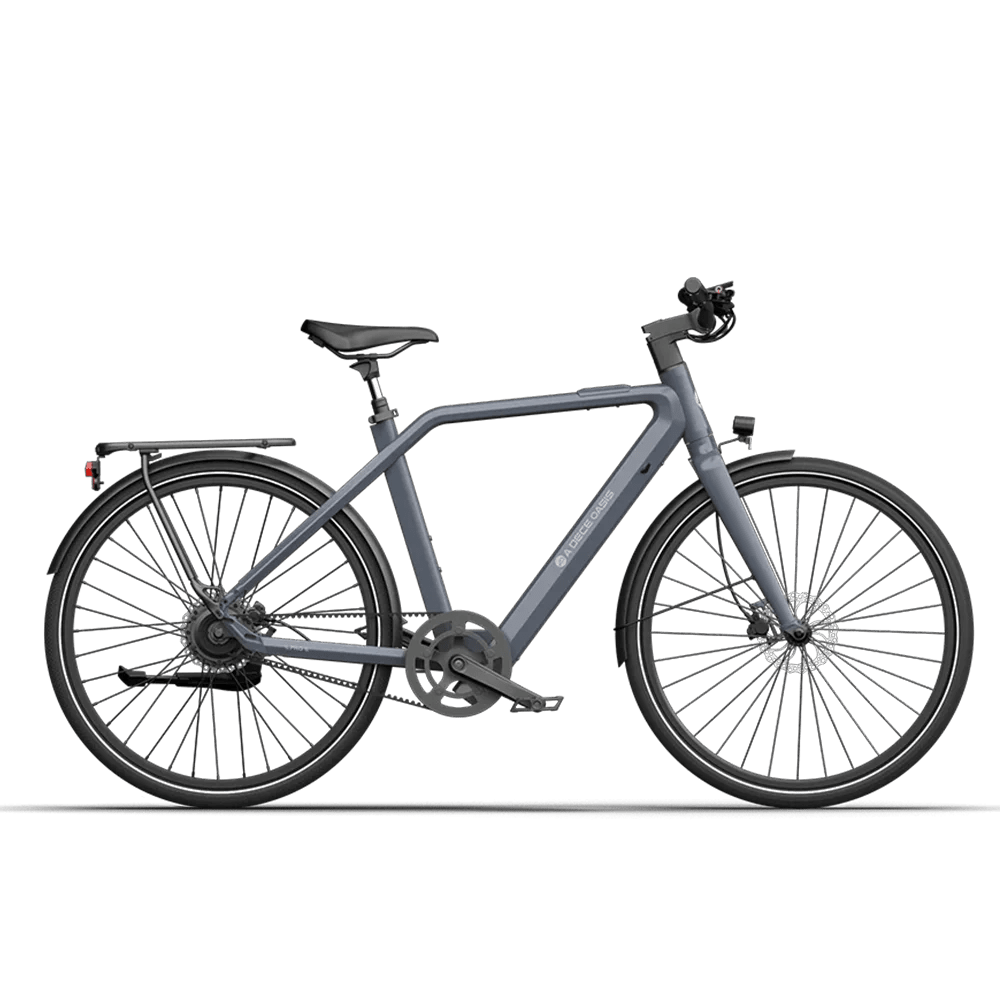




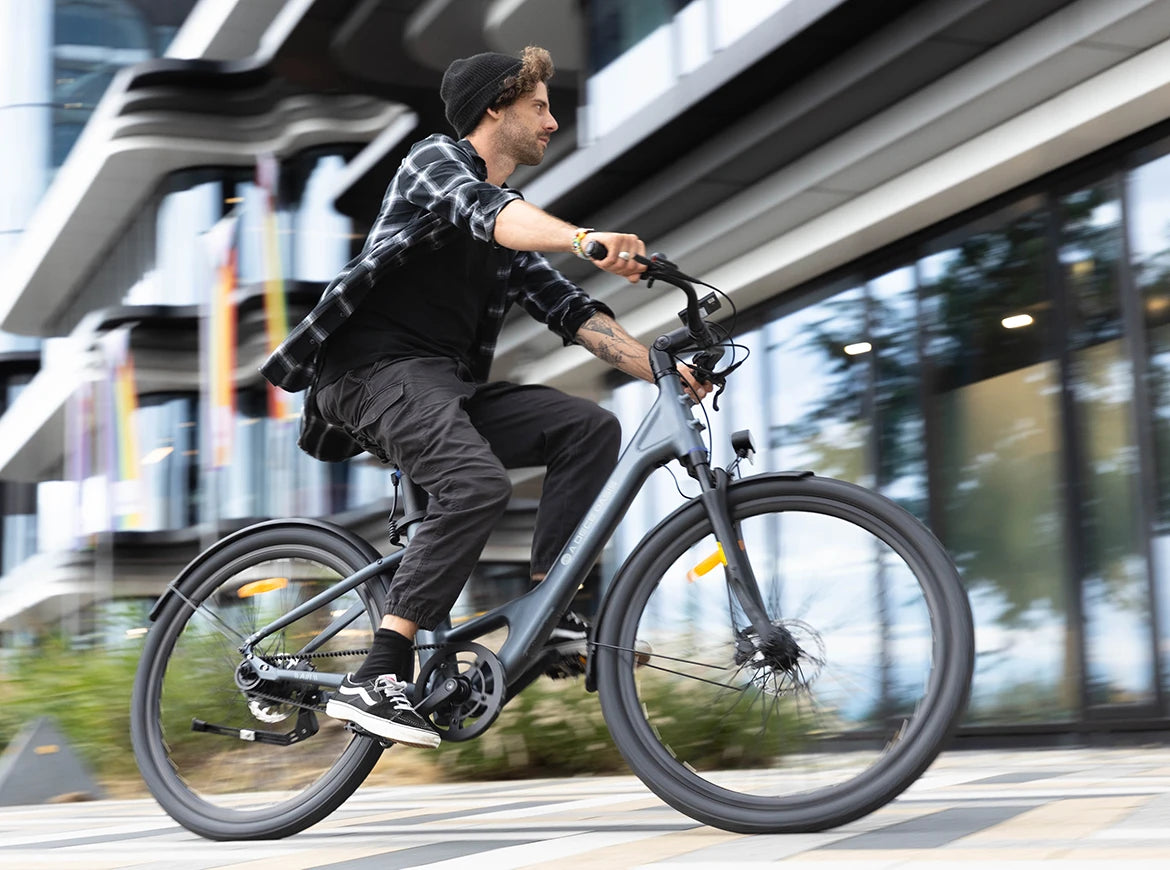


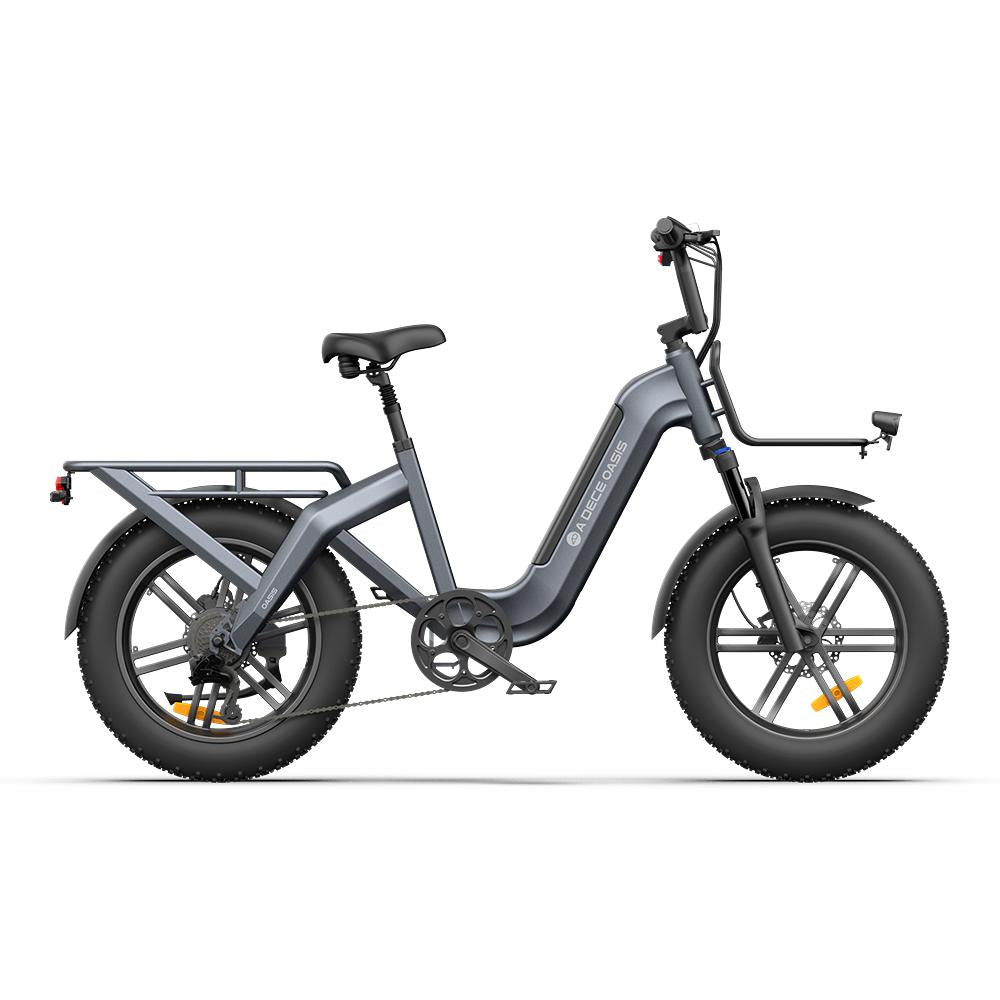


E-bikes are becoming a common, eco-friendly sight across UK cities. As more riders choose comfortable models such as a step through electric bike uk, battery safety is increasingly important. UK Fire and Rescue Services have repeatedly warned that incorrect charging and storage of lithium-ion batteries can significantly increase fire risks. Understanding safe practices is essential to protect both riders and homes.
What UK Fire Services Warn About
UK Fire and Rescue Services have highlighted several common and preventable causes of e-bike battery incidents:
- Overnight Charging: Charging batteries overnight or leaving them completely unattended while connected to power.
- Incompatible Hardware: Using non-original, cheap aftermarket, or incompatible chargers.
- Hazardous Locations: Charging batteries near highly flammable materials or blocking escape routes (like corridors and exit doors).
- Damaged Cells: Storing or attempting to charge batteries that have been dropped, physically damaged, or overheated.
These critical safety warnings apply to all electric bicycles, regardless of brand, style, or price point.
Safe E-Bike Battery Charging Practices
Following basic charging etiquette can significantly reduce hazard risks and extend the life of your battery:
⚠️ Essential Charging Rules:
Use Approved Gear: Always use the official, manufacturer-approved charger designed for your specific e-bike model.
Safe Surfaces: Charge only on hard, flat, and non-flammable surfaces. Avoid beds, sofas, carpets, or curtains.
Unplug on Time: Disconnect the charger once the battery reaches full charge; do not leave it plugged in indefinitely.
Cool Down First: Never charge a battery immediately after a ride. Let the battery cool down to room temperature for 30 minutes first.
These principles apply to all genuine Electric Bike Parts, especially advanced lithium-ion battery packs.
How to Store Your E-Bike Battery Safely
Correct storage is just as important as safe charging for preserving battery chemistry and maintaining home safety:
- Environment Control: Store batteries in a dry, well-ventilated, and cool place (ideally between 10°C and 20°C).
- Avoid Extremes: Keep packs away from direct sunlight, open flames, heaters, or sources of dampness.
- Optimal Storage Charge: If storing long-term (e.g., during winter), keep the charge level between 40% and 60% rather than leaving it fully charged or completely flat.
- Regular Inspection: Regularly check your battery case for any physical warning signs, such as swelling, leakage, or unusual odors.
Note: If your battery shows any physical damage or behaves unusually, stop using it immediately and consult a professional technician.
Battery Safety and ADO E-Bikes
At ADO Ebike, rider safety is our absolute priority. All models sold in the UK are rigorously engineered to meet the highest safety and compliance standards:
- Certified Standards: ADO batteries fully comply with strict UK and EU transport, quality, and electrical safety requirements.
- Smart BMS Protection: Equipped with an intelligent Battery Management System (BMS) that monitors temperature and protects against overcharging, short-circuiting, and over-discharging.
- Compliance-Driven Engineering: Step-through models like the acclaimed ADO Air 28 Pro e-bike balance reliable accessibility with a relaxed riding position that supports daily urban use under a secure, safe framework.
Final Thoughts
Battery safety is not complicated, but it does require consistent habits. By following official UK Fire Service guidance and utilizing certified, high-quality components, riders can enjoy their e-bike journeys with total confidence and peace of mind.


Leave a comment
Please note, comments need to be approved before they are published.