















1. Why EU Environmental Regulations Matter
European environmental regulations set some of the world’s highest standards for sustainability.
These rules aim to reduce pollution, conserve resources, and promote a circular economy.
Key areas include:
-
Battery safety and recyclability, to prevent hazardous waste
-
Electronic waste management, to reduce landfill impact
-
Producer responsibility, ensuring brands manage a product’s full lifecycle
For the UK market, alignment with EU standards remains highly relevant. This is especially important for consumers choosing an ebike in uk with long-term environmental impact in mind.
2. Battery Compliance: Safety, Lifecycle, and Recycling
E-bike batteries are central to environmental responsibility.
EU regulations focus on how batteries are made, used, and recovered.
Core requirements include:
-
Compliance with the EU Battery Directive
-
Clear labeling for capacity and disposal
-
Safe design to reduce fire and leakage risks
ADO follows these principles by:
-
Using certified lithium battery systems
-
Supporting proper battery recycling channels
-
Designing batteries for durability and extended use
This approach reduces waste while improving rider safety across daily commuting scenarios.
3. Waste Electrical and Electronic Equipment (WEEE) Responsibility
Under the WEEE Directive, e-bike brands are accountable for electronic components after use.
This includes:
-
Motors, controllers, and displays
-
Smart systems such as sensors and GPS modules
As e-bikes increasingly integrate technology, including e-bike with GPS features, responsible electronic waste handling becomes critical.
ADO addresses this by:
-
Designing modular components that are easier to repair
-
Supporting authorized recycling and collection systems
-
Reducing unnecessary electronic complexity
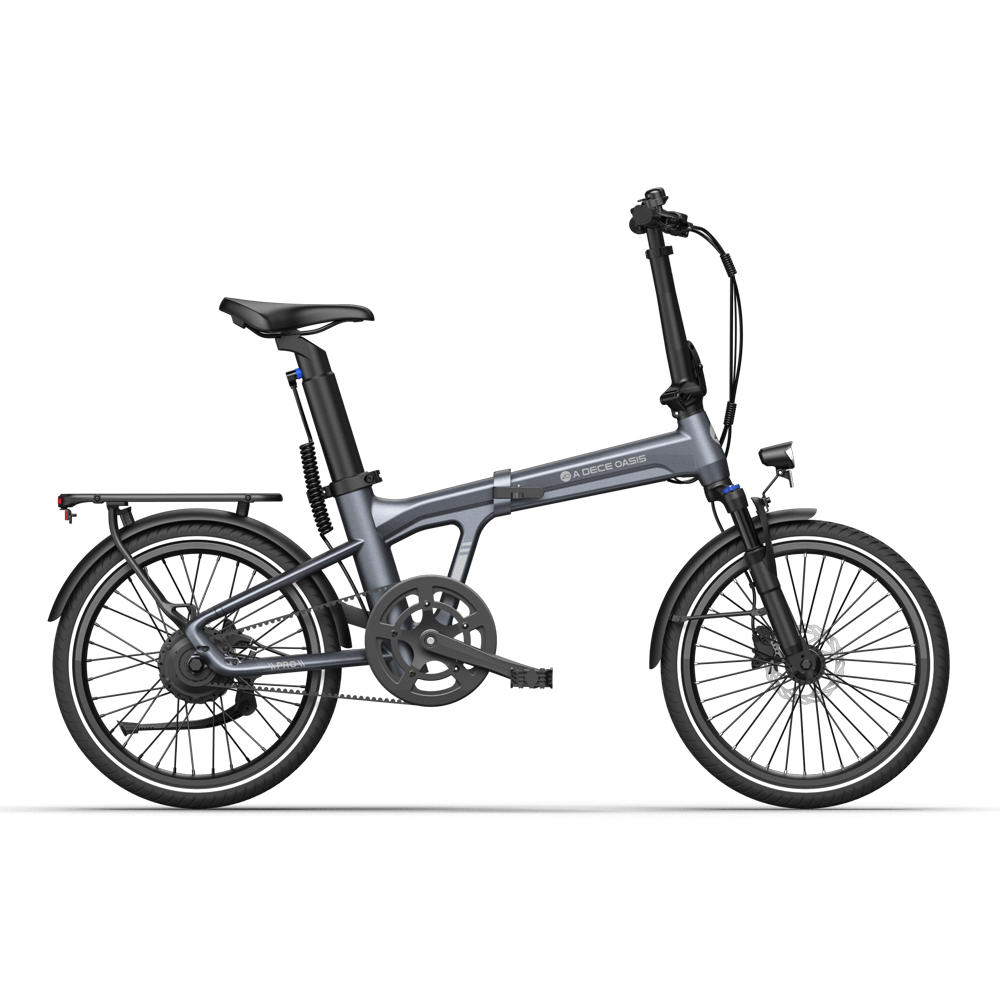
Some models, such as the Air Carbon folding e-bike, include smart features while still aligning with WEEE requirements through standardized components and documentation.
4. Compliance as a Long-Term Commitment
Environmental compliance is not a one-time task.
It is an ongoing responsibility that affects product design, sourcing, and after-sales support.
From a UK market perspective, this means:
-
Greater transparency for consumers
-
Products that meet both current and future standards
-
Reduced environmental footprint over time
By aligning with European battery and waste regulations, ADO demonstrates how e-bike manufacturers can contribute to greener urban mobility without compromising usability or safety.


Leave a comment
Please note, comments need to be approved before they are published.