










For many commuters in the UK, transportation costs continue to rise every year. In London especially, annual train and travelcard expenses can easily reach several thousand pounds. As a result, more commuters are asking whether switching to an e-bike could save money in the long run.
1. How Expensive Are London Season Tickets?
According to 2026 commuting figures:
- London Zone 1–2 annual travelcards cost around £1,788
- Zone 1–6 annual travelcards reach about £4,656
- Some rail commuter routes exceed £5,000 per year
For regular commuters:
- Costs accumulate quickly
- Delays and overcrowding remain common
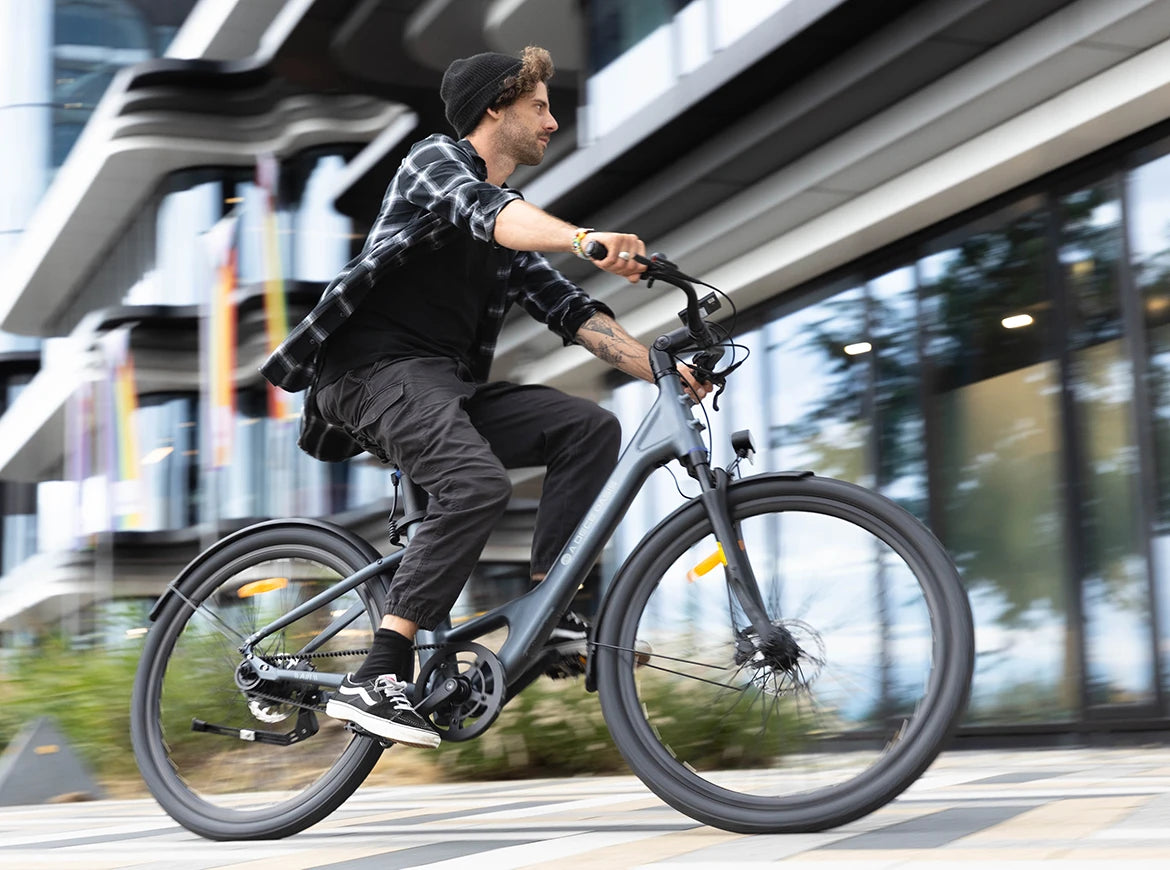
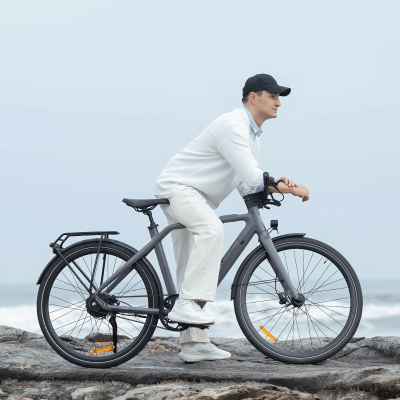
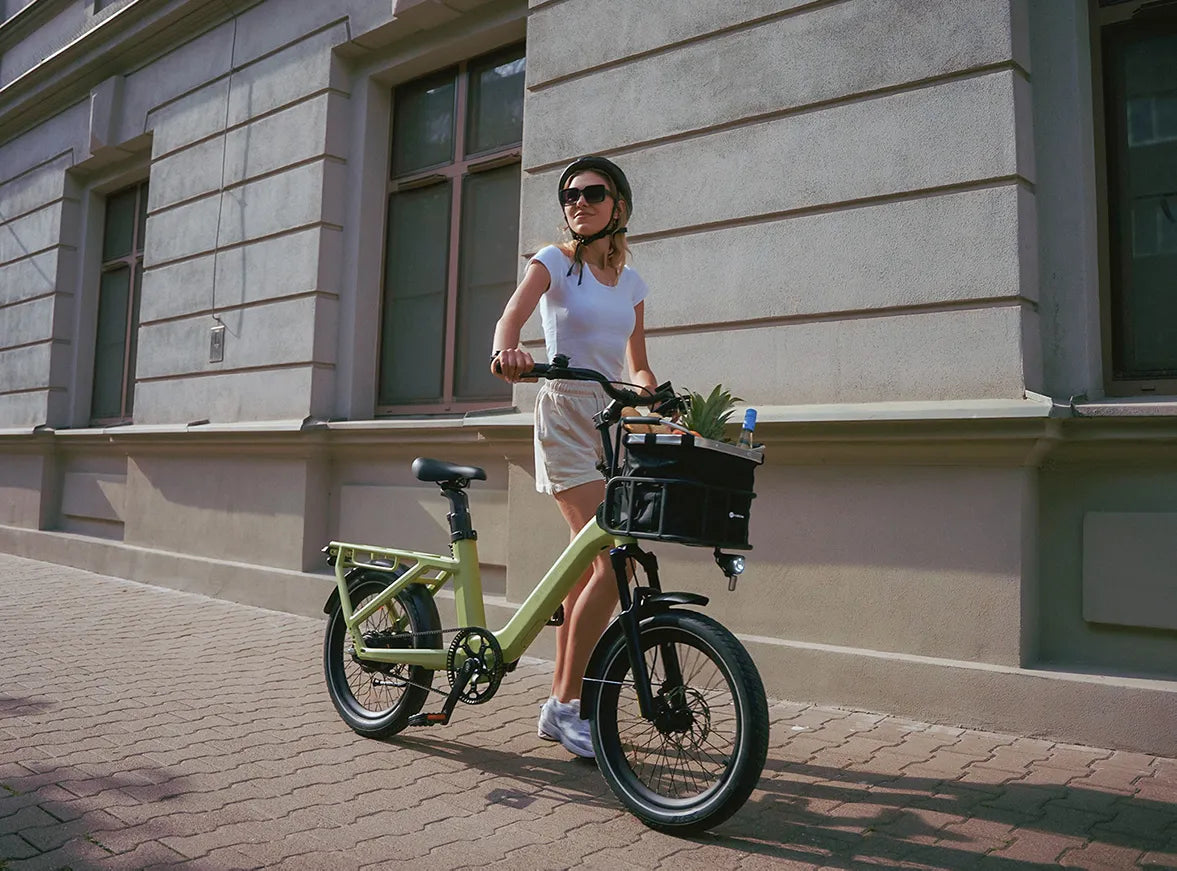
This is one reason more people are considering ebike in uk commuting options.
2. How Quickly Can an E-Bike Pay for Itself?
For urban commuting:
- E-bike running costs remain relatively stable
- Daily charging costs are very low
- Maintenance is usually manageable
Using London commuting costs as a comparison:
- Riders paying £2,000–£4,000 annually on rail travel may recover the cost of an e-bike within 1–2 years, depending on usage habits and route distance.
Compared with rising transport costs:
- E-bikes offer more predictable expenses
- They can also reduce waiting and transfer time
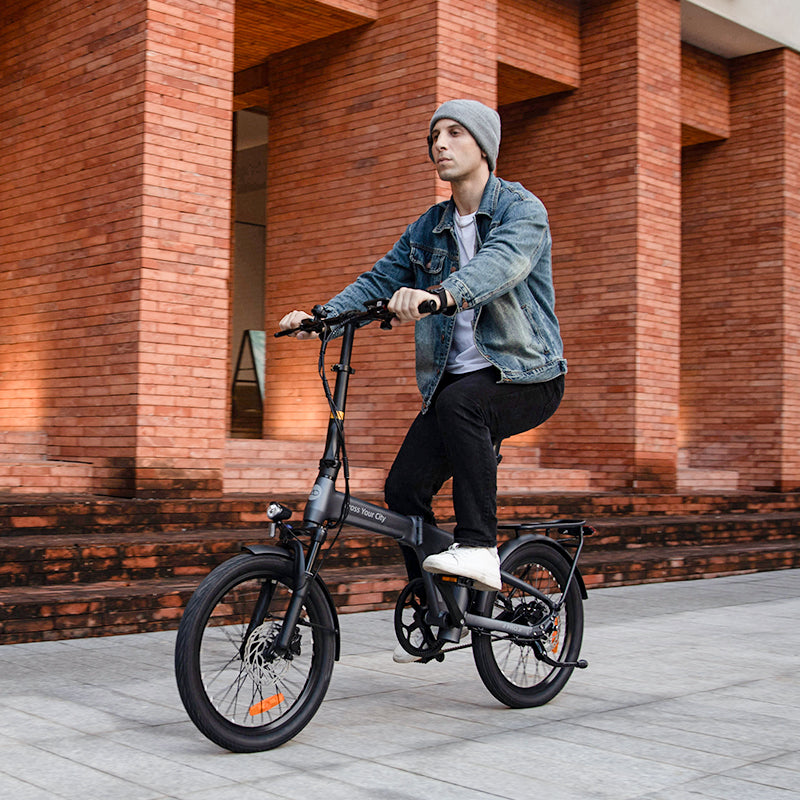
3. Why Folding E-Bikes Fit UK Commuting
UK commuters often combine:
- Cycling and trains
- Office storage
- Small apartment living
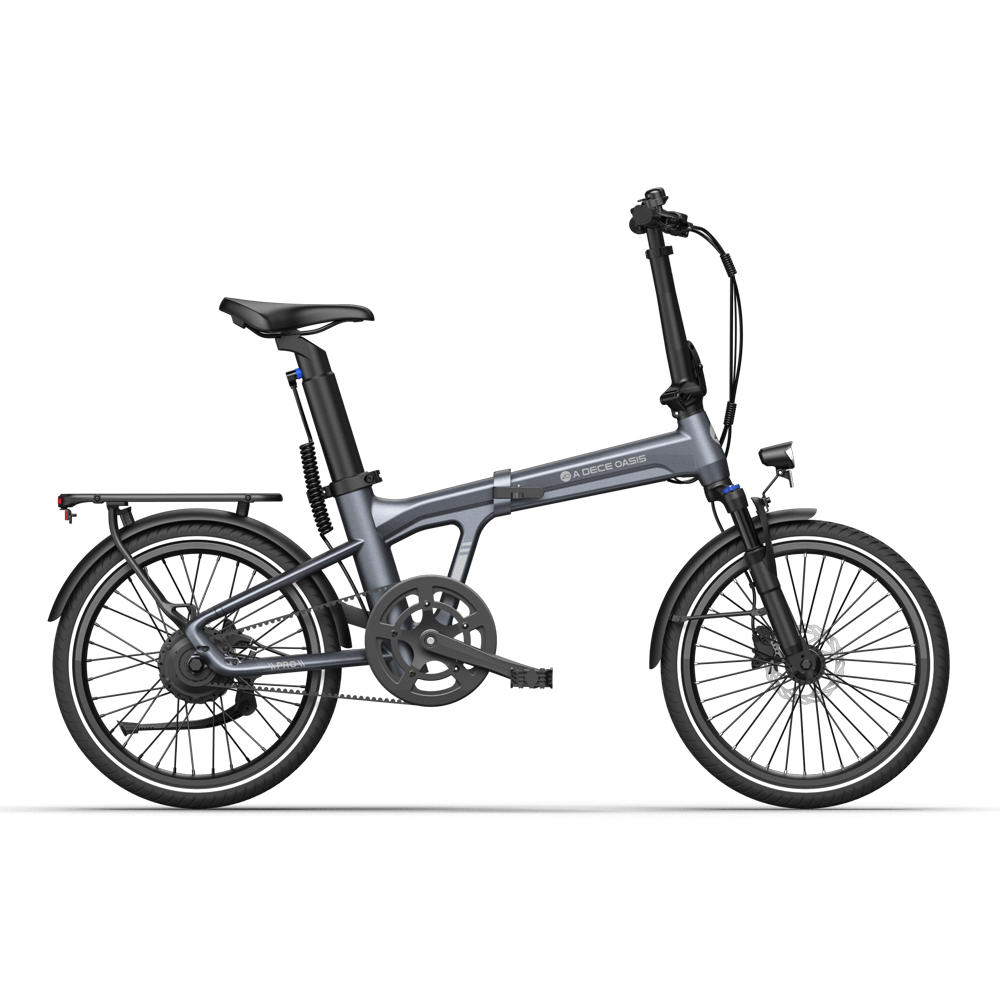
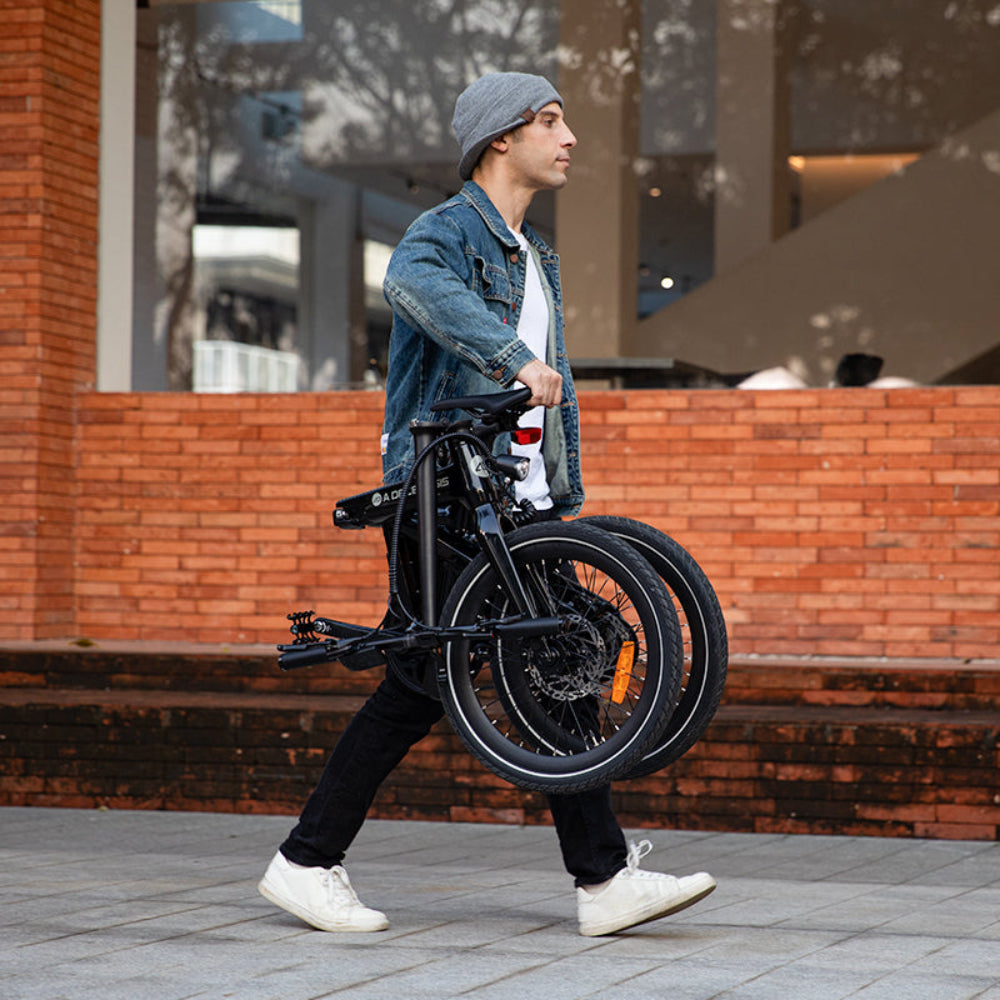
That’s why the Folding electric bike category continues to grow:
- Easier to carry on public transport
- More convenient to store
- Better suited for flexible commuting
For longer journeys:
- Range becomes equally important
- This is where the demand for a long range folding electric bike becomes more relevant.
4. Range and Real-World Commuting
Long-distance commuting places more demand on:
- Battery capacity
- Motor efficiency
- Overall ride comfort
For example:
- ADO Air 20 Ultra 2026 folding e-bike is designed with urban commuting efficiency in mind
- It balances folding practicality with longer-range capability
- Suitable for riders with frequent daily travel needs
For commuters:
- Longer range means fewer charging concerns
- It also reduces dependence on public transport schedules
5. Other Hidden Benefits of E-Bike Commuting
Beyond cost savings, e-bikes can also:
- Reduce commuting stress
- Improve schedule flexibility
- Add light daily exercise
In addition:
- Riders avoid many rail delays
- Routes become more adaptable
For many urban commuters, these lifestyle benefits are equally valuable.
Conclusion
In cities like London:
- Train commuting remains expensive
- Long-term travel costs continue to rise
By comparison:
- E-bikes offer more stable long-term costs
- Greater flexibility
- Better adaptability for modern commuting
For regular commuters, switching to an e-bike is becoming an increasingly practical alternative.


Leave a comment
Please note, comments need to be approved before they are published.