









UK winters are notorious for persistent rain, damp roads, and frequent fog. For everyday e-bike commuters, reduced traction and low visibility are the two biggest seasonal risks. Understanding how to manage these hazards is the key to maintaining a safe, comfortable, and reliable journey throughout the colder months.
Why Wet UK Roads Increase Slip Risks
Rain is a constant factor in British winters, and it directly compromises your tires' grip on the asphalt. During wet commutes, keep a close eye on the following high-risk zones:
- Hazardous Surfaces: Wet leaves, metal manhole covers, utility grates, and painted road markings become extremely slippery when damp.
- Tread Depth: Tires with shallow or worn tread patterns struggle to disperse water, increasing the risk of aquaplaning.
- Increased Stopping Distance: Braking distances can double or even triple on wet surfaces compared to dry roads.
Choosing suitable, high-quality electric bike parts—especially winter-ready tires and reliable braking systems—is the foundation of cold-weather safety.
Wet-Weather Braking Tips: Control Comes First
In UK urban riding, braking control and predictability matter far more than top speed. Adjust your stopping habits to match the slick conditions:
- Brake Earlier: Begin decelerating much earlier and more gradually than you would in dry summer conditions.
- Distribute Force: Apply both your front and rear brakes smoothly and simultaneously to prevent either wheel from locking up and sliding.
- Pre-Brake Test: Lightly tap your brakes before reaching major junctions or descents to clear water buildup off the rims or discs and test your current traction.
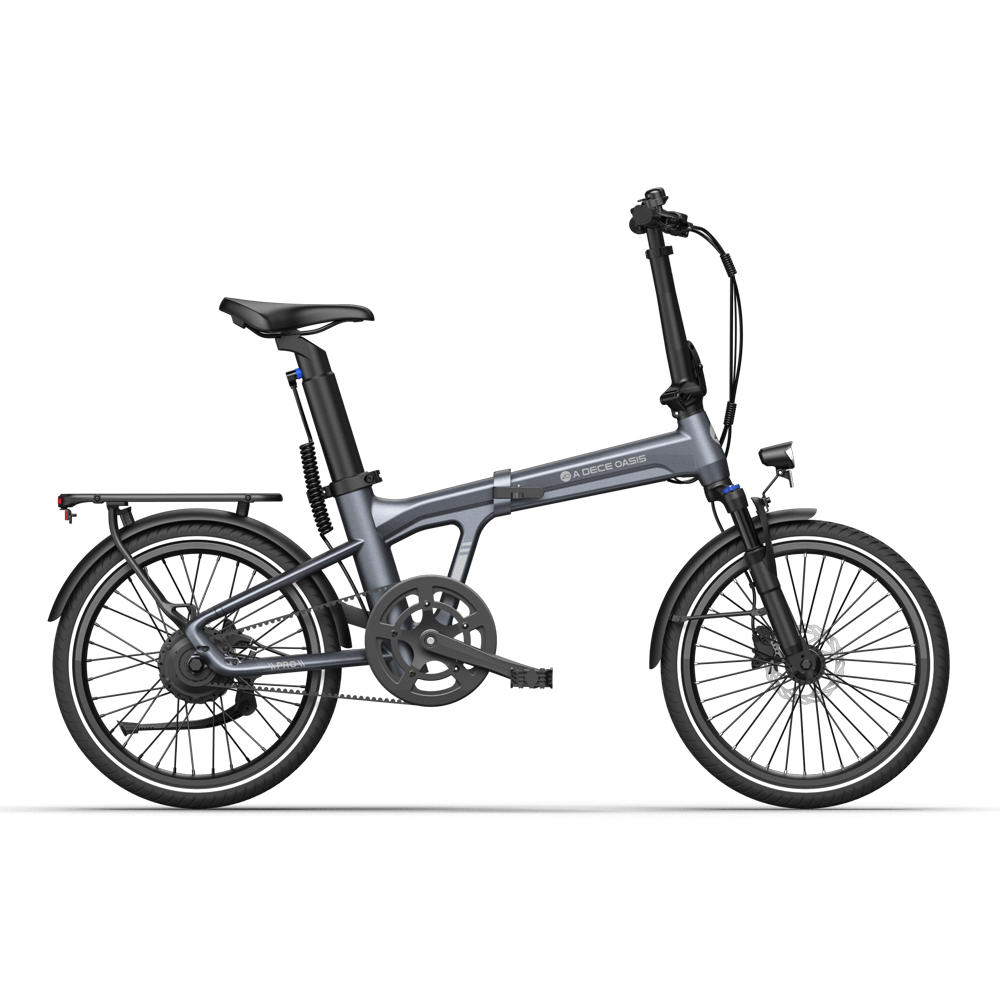
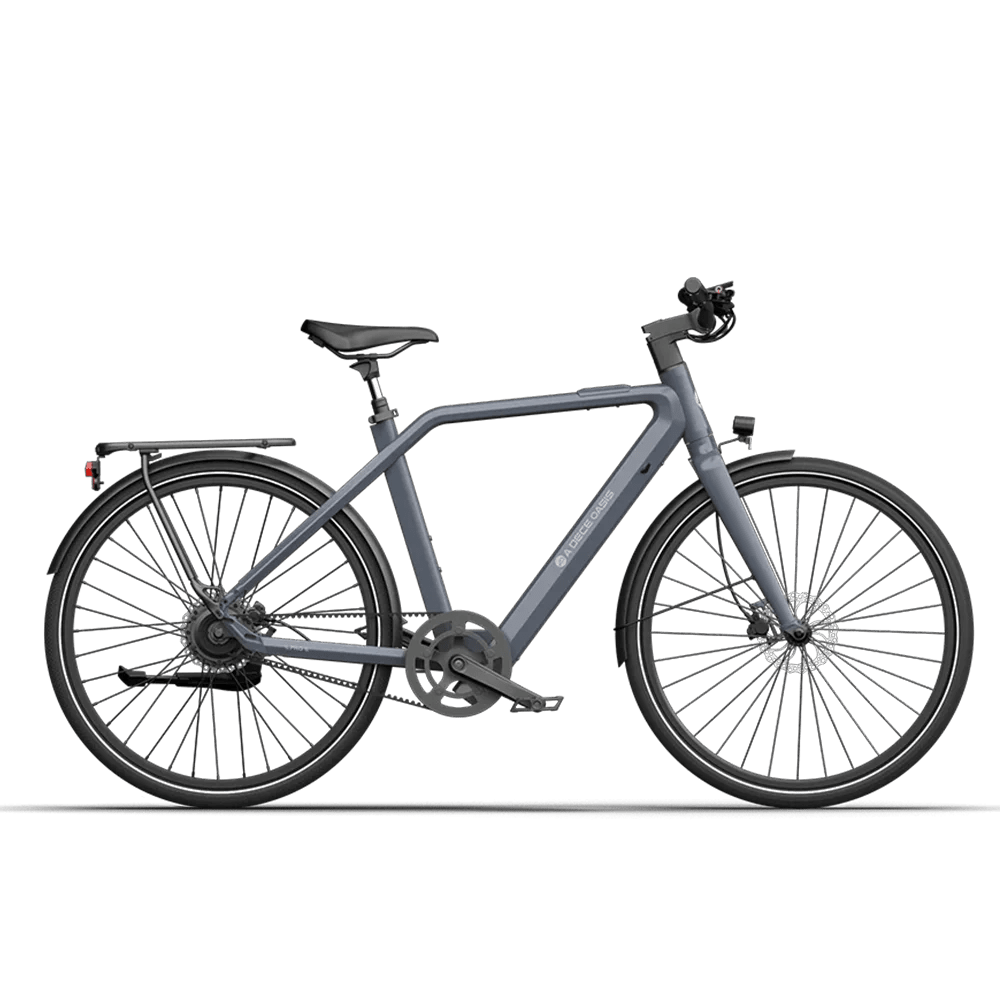
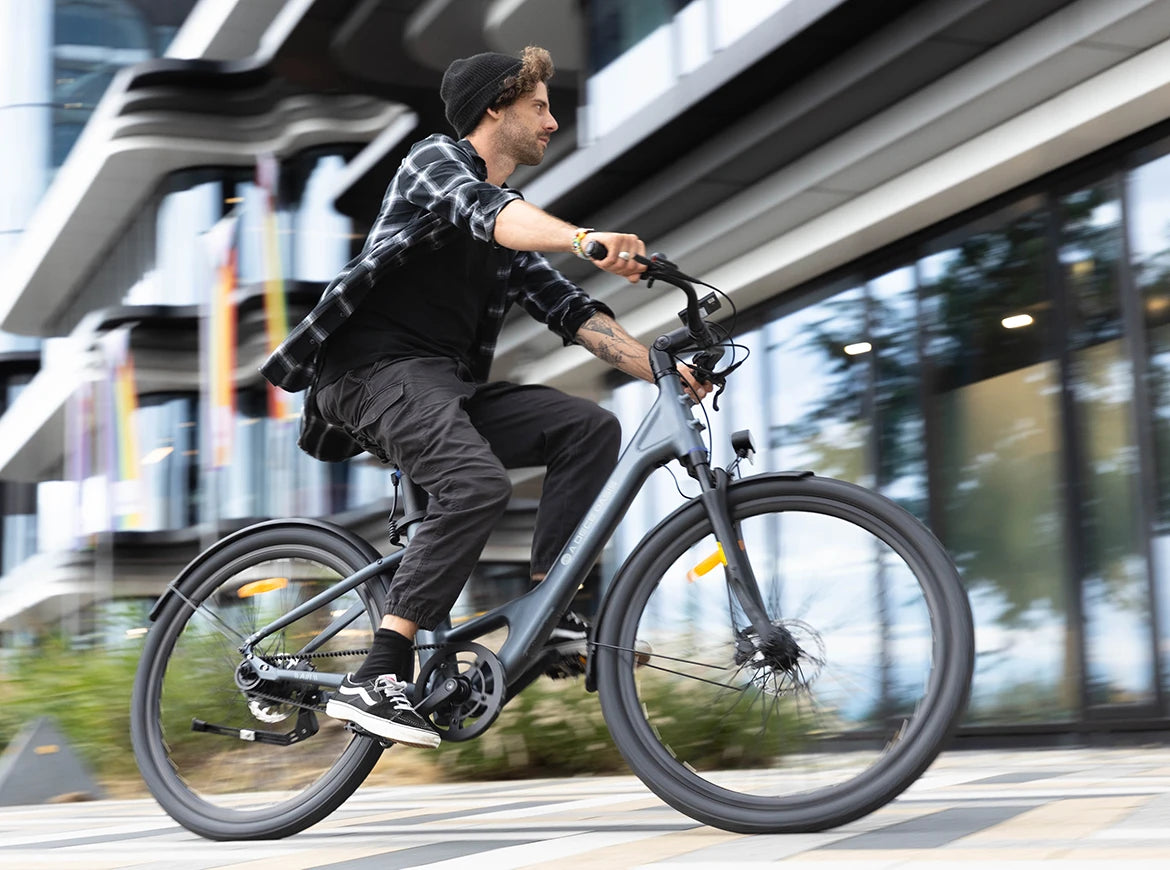
Pro Safety Tip: Commuter-focused models, such as the premium ADO Air 20 e-bike, feature highly responsive hydraulic braking systems designed for smooth, modulated stopping power that remains predictable even on water-slicked city streets.
Foggy Mornings & Night Riding: Be Seen Clearly
Short winter daylight hours and thick morning fog dramatically reduce visibility across UK roads. Ensuring you are highly visible to motorists is crucial:
- High-Brightness Front Lights: Use a powerful headlight to cut through winter mist and illuminate potholes or debris ahead.
- Active Rear Lighting: Steady and flashing red rear lights, paired with quality reflectors, significantly improve side and rear awareness for overtaking vehicles.
- Reflective Gear: Complement your bike's lighting with reflective bands, jackets, or ankle straps to stand out when wearing dark winter layers.
Balancing Anti-Slip Performance with Portability
Many UK commuters need to store their e-bikes indoors at home or the office to keep the battery warm and prevent outdoor theft. Fortunately, winter safety doesn't require sacrificing convenience:
- No Heavy Bulk Required: Modern anti-slip, puncture-resistant tires offer incredible winter grip without making your e-bike heavy or sluggish.
- Optimized Frame Weight: Keeping the overall bike weight low ensures better handling and makes recovering from a minor slip much easier.
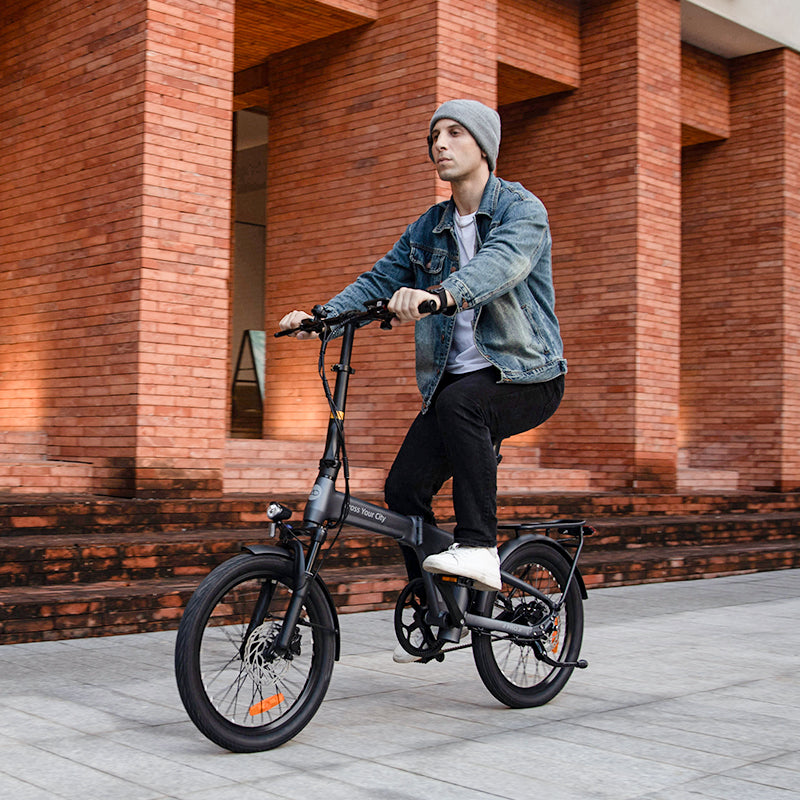
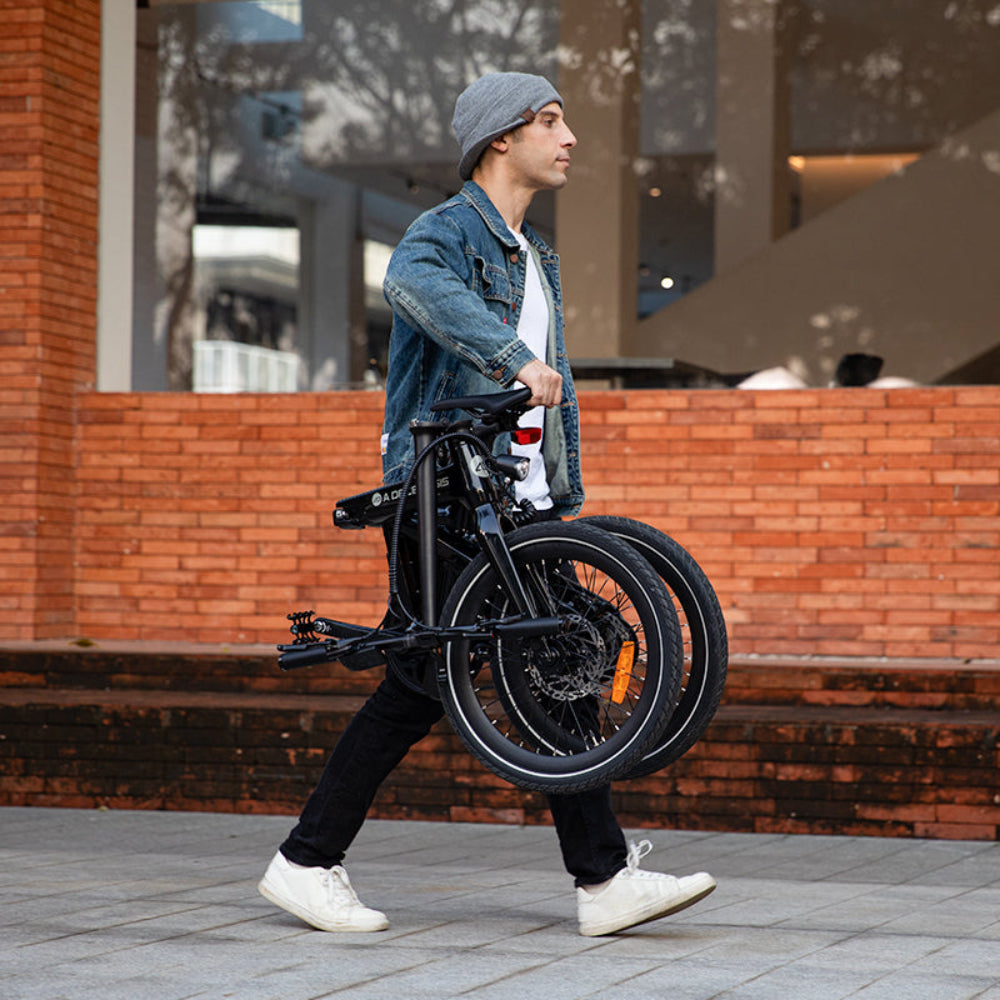
- Convenient Indoor Storage: Choosing a lightweight folding e-bike allows you to quickly fold the frame and bring it inside, keeping the drivetrain dry and ready for your evening ride.
Final Thoughts
UK winters demand more caution from both the rider and the machine. Wet roads, icy patches, and heavy fog amplify small errors. By proactively adjusting your riding habits, performing routine maintenance checks, and choosing the right seasonal gear, winter e-biking can remain a safe, fast, and enjoyable way to power through your daily commute.


Leave a comment
Please note, comments need to be approved before they are published.