











The Comprehensive E-Bike Travel Guide: Planning, Routes, and Essential Gear
Electric bikes (e-bikes) have expanded the parameters of traditional cycling by offering increased range and flexible mobility. While maintaining the physical benefits of standard biking, the integration of battery-powered assistance creates new logistical possibilities for both short urban commutes and multi-day touring. This guide outlines the essential information required to plan and execute an efficient e-bike journey.

Why Select Travel by E-Bike?
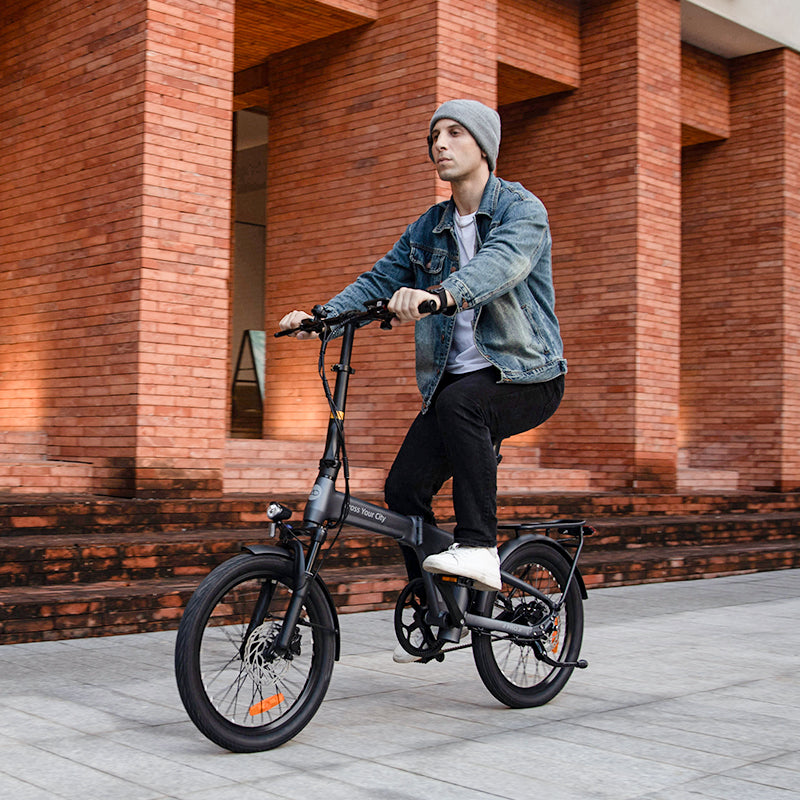
- Efficiency and Range: E-bikes feature a battery-powered pedal-assist system that reduces physical exertion. This allows riders to cover greater distances, navigate changing topographies, and sustain longer travel routes without experiencing immediate fatigue.
- Environmental Impact: Operating as zero-emission vehicles, e-bikes present a sustainable alternative to fossil-fuel-dependent transportation, directly contributing to lower overall carbon footprints during travel.
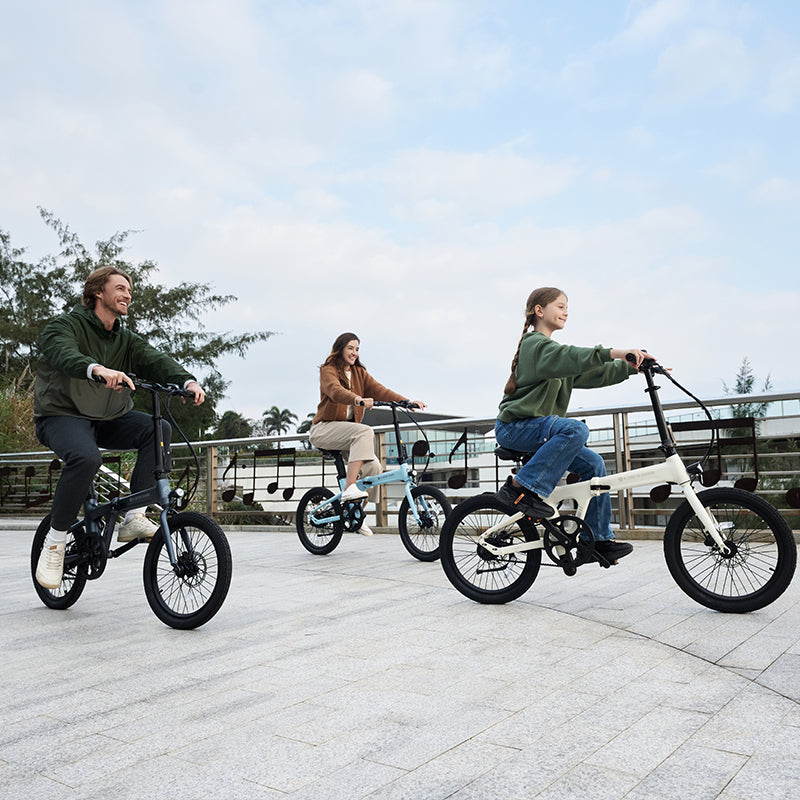
- Accessibility: The adjustable power output of an e-bike standardizes the physical requirements of cycling. This allows individuals of varying ages and fitness levels to maintain consistent pacing and ride collectively.
Trip Planning: Key Logistical Considerations
1. Route Selection and Topography
When charting an e-bike route, prioritize paths with favorable infrastructure. Factor in the total battery range and map out verified charging stations along the itinerary. Dedicated bike trails, coastal paths, and national parks often provide smoother surfaces and manageable inclines suitable for e-bike touring.
2. Packing Essentials
E-bike touring requires specific provisions beyond standard cycling gear. The packing list must include a comprehensive mechanical repair kit, spare proprietary batteries or rapid chargers, and appropriate weather-resistant clothing. Given the extended range capabilities, contingency planning for overnight stops is recommended.
3. Legal Requirements
E-bike legislation varies significantly by jurisdiction. Before traveling, verify local regulations regarding maximum allowable motor wattage, speed limits, age restrictions, and mandatory helmet laws. Some regions classify e-bikes differently from standard bicycles, which may affect trail access.
Top E-Bike Routes Worldwide
The following routes offer established infrastructure and varying degrees of difficulty for e-bike travelers:
| Region | Route Name | Characteristics & Infrastructure |
|---|---|---|
| Europe | Danube Cycle Path | Spans ten nations; features relatively flat, paved paths following the river. Highly developed e-bike infrastructure with frequent charging points. |
| Japan | Shimanami Kaido | Connects islands across the Seto Inland Sea. Offers dedicated cycling lanes, well-maintained roads, and extensive bike-friendly facilities. |
| USA | San Francisco to Los Angeles | A demanding coastal route requiring meticulous battery management. Features significant topographical changes, urban environments, and highway margins. |
Gear and Equipment Recommendations
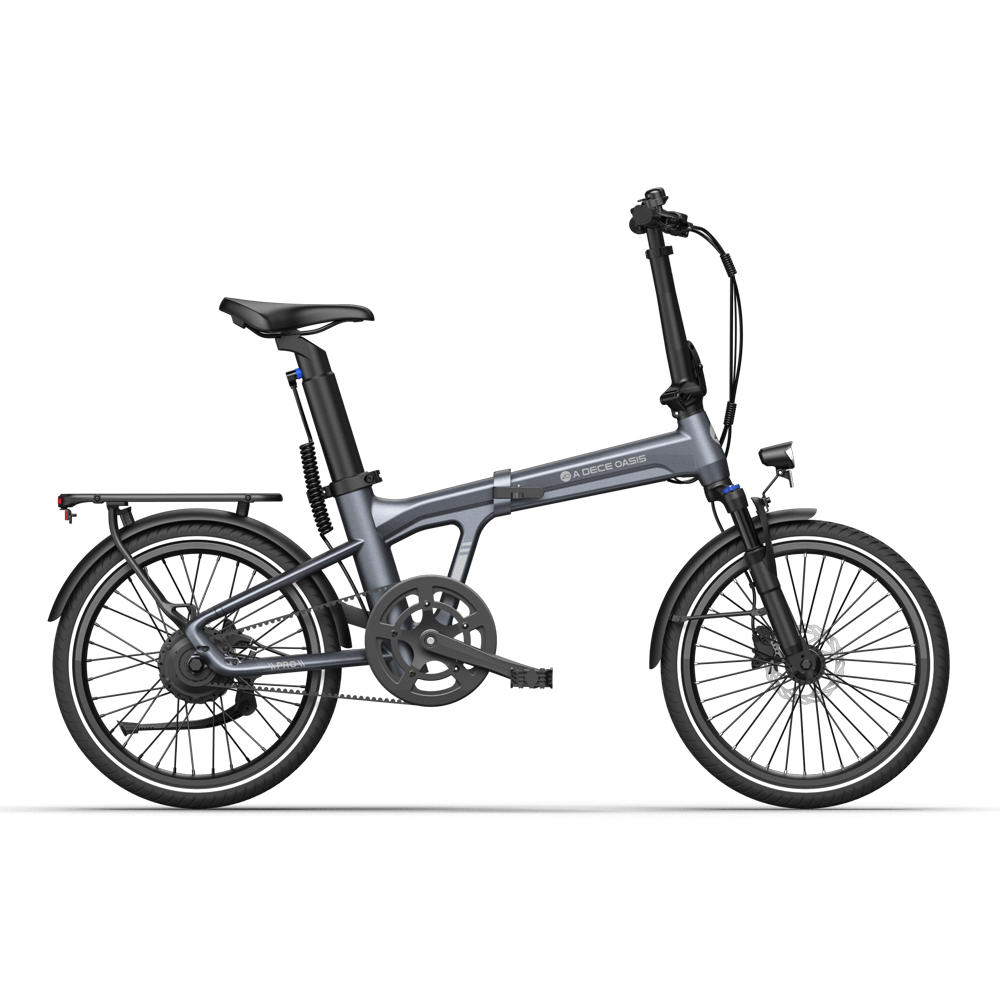
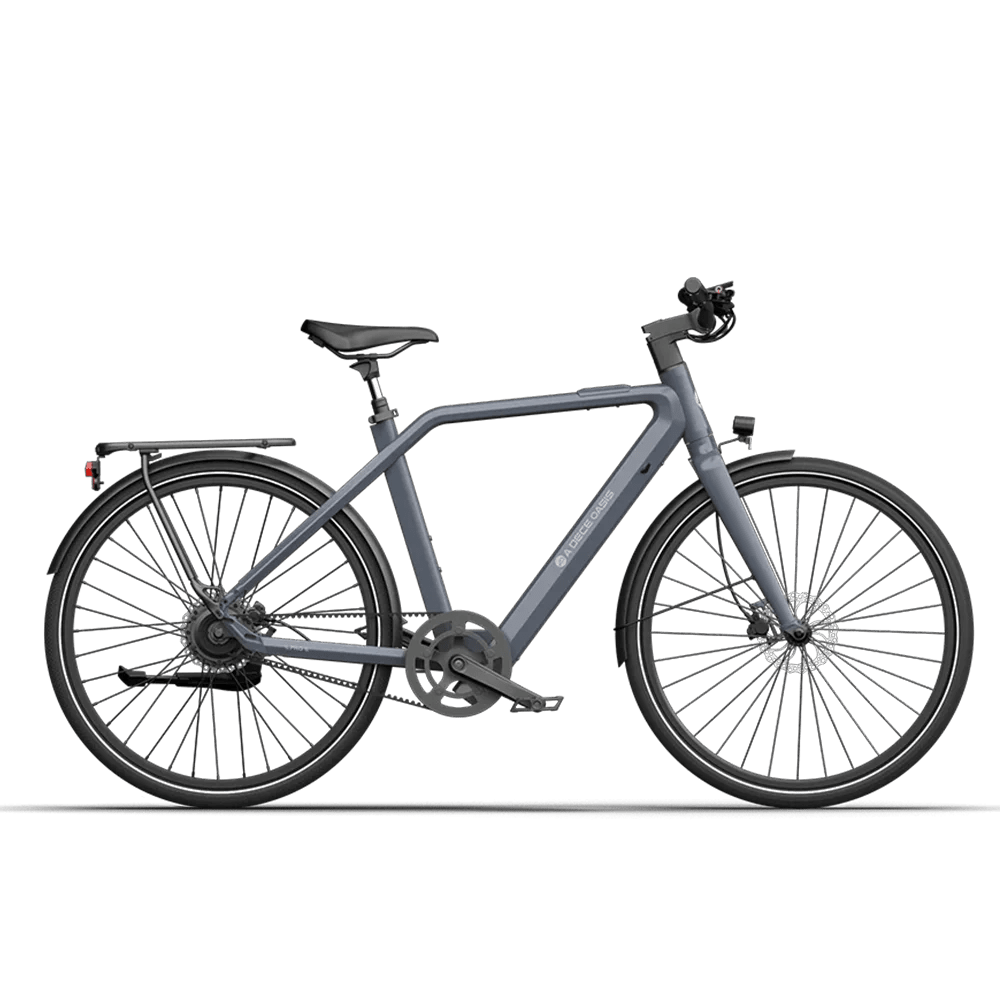
Optimizing equipment is critical for long-distance reliability. Select an e-bike model featuring a rigid frame, an optimal weight-to-power ratio, and a high-capacity battery system. Essential accessories include a certified safety helmet, ergonomic cycling apparel, and waterproof panniers to protect electronic components and personal items from environmental exposure.
Conclusion
E-bike touring represents a pragmatic evolution in modern travel, merging mechanical efficiency with physical activity. By carefully assessing route infrastructure, complying with regional regulations, and properly managing battery logistics, riders can reliably expand their travel capabilities. For advanced mobility solutions and urban transit options, explore the ADO E-BIKE series to find the appropriate specifications for your next journey.


Leave a comment
Please note, comments need to be approved before they are published.