








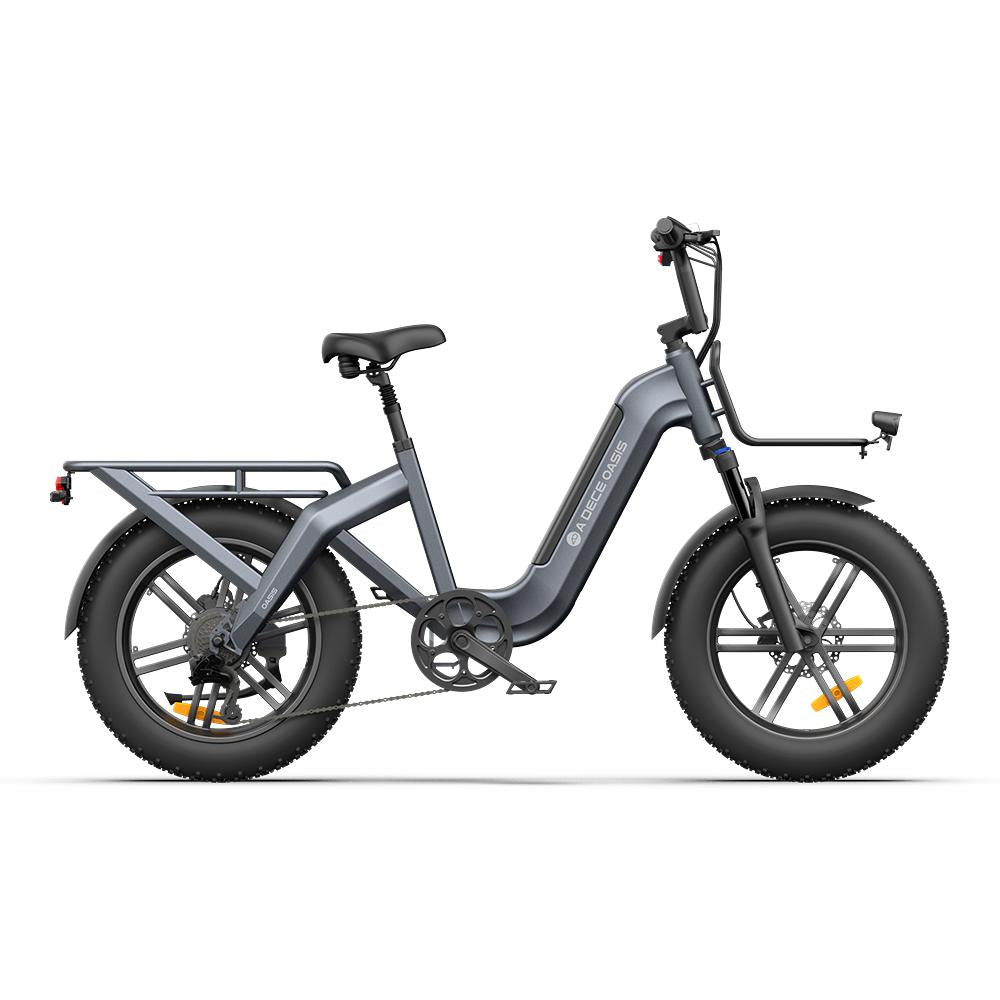


E-Waste Is Not Just About Electronics
E-waste is often associated with phones or laptops.
But e-bikes also contribute to this growing problem.
-
Short product lifecycles lead to early disposal
-
Cheap components fail faster and are hard to repair
-
Batteries and electronics are difficult to recycle
Choosing a durable e-bike helps slow this cycle.
Sustainable Design Starts with Longevity
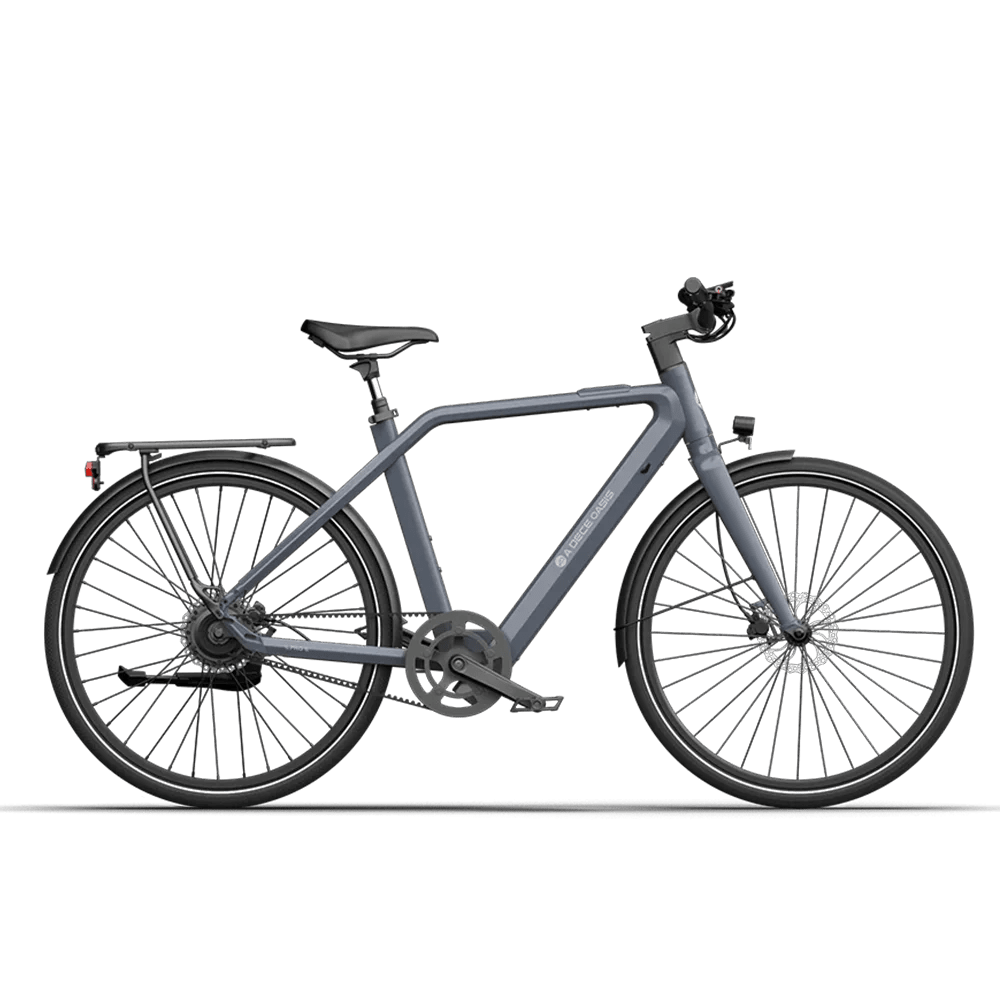
A well-designed e-bike focuses on how long it stays useful.
-
Strong frames reduce the risk of structural failure
-
Reliable motors and sensors lower replacement needs
-
Modular parts make repairs easier
Long-lasting design means fewer bikes end up as waste.
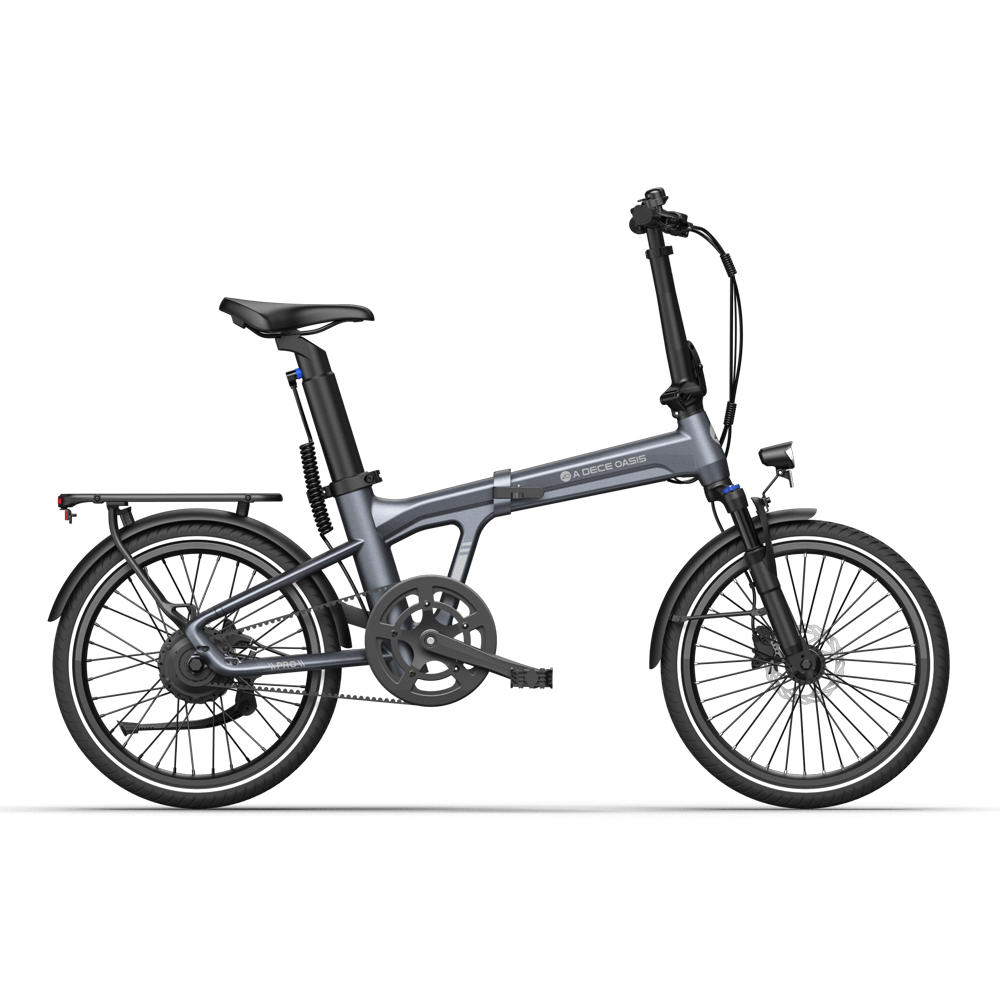
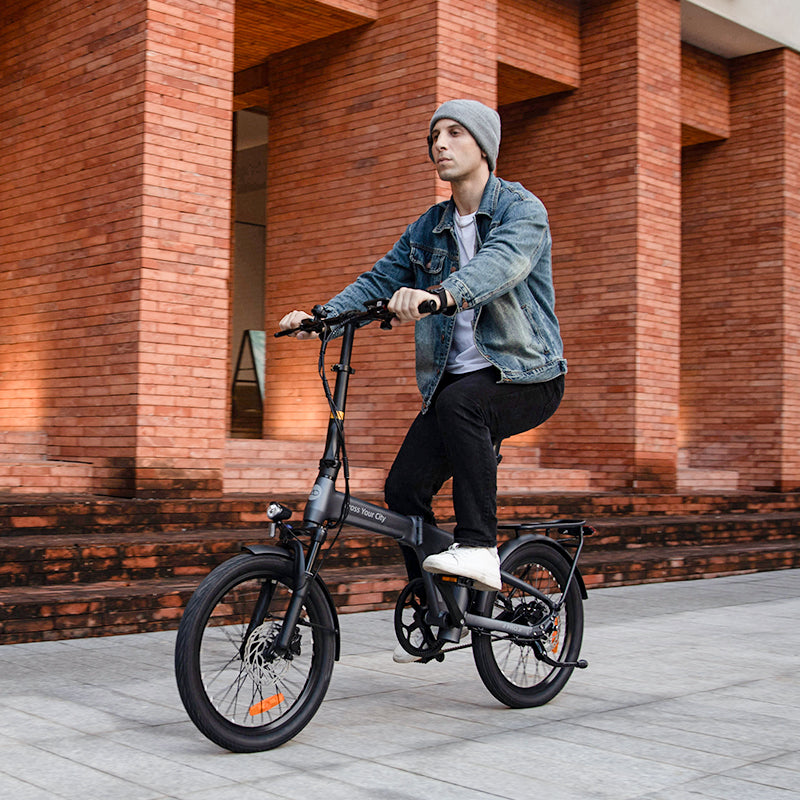
Folding E-Bikes and Urban Sustainability
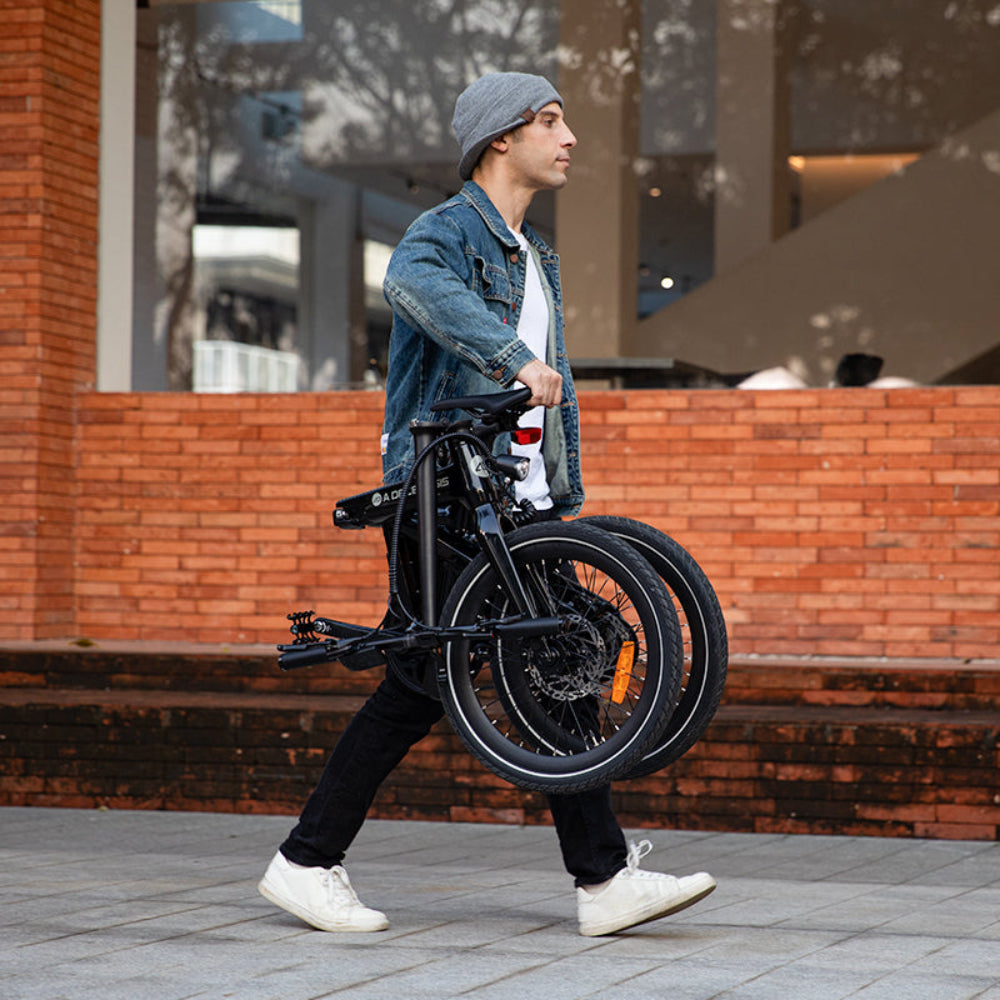
For UK commuters, folding e-bikes play a unique role.
-
Easier storage reduces accidental damage
-
Lightweight frames improve daily usability
-
Practical design encourages long-term use
This is why many riders look for the best folding e-bike for commuting.
Lower Long-Term Costs Come from Better Quality
Durability is not just about sustainability. It also saves money.
-
Fewer repairs over time
-
Less frequent battery replacements
-
Higher resale value
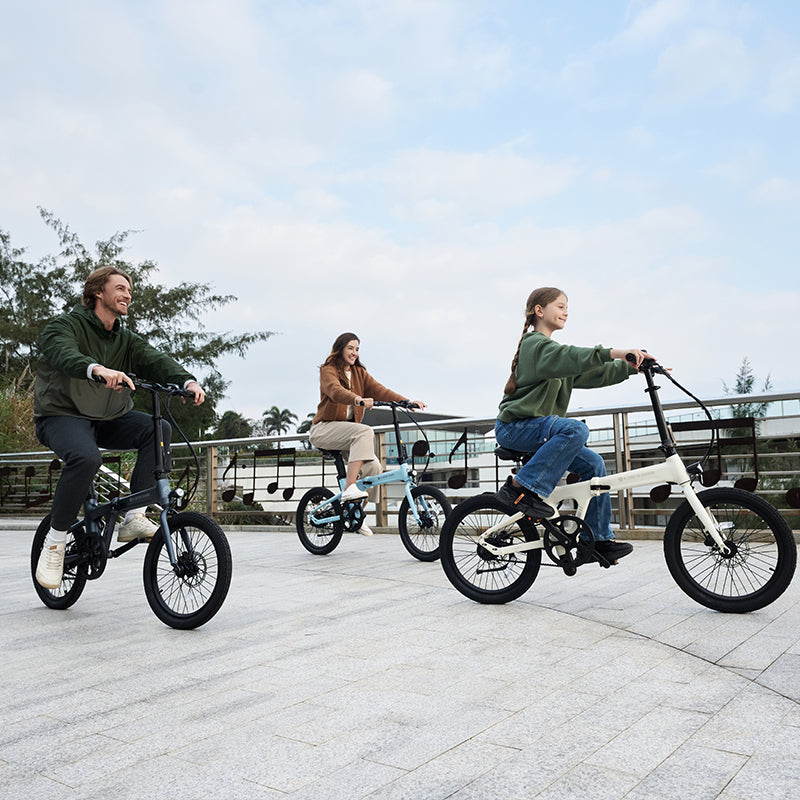
Models like the ADO Air 20 Ultra reflect this approach.
A lightweight folding e-bike that fits daily routines is more likely to be kept, not replaced. They are built around reliability rather than short-term trends.
Conclusion
Reducing e-waste starts with better choices.
A durable, thoughtfully designed e-bike lasts longer, costs less over time, and supports more sustainable urban mobility.


Leave a comment
Please note, comments need to be approved before they are published.